
Introduction
In the world of electronics, BSTECH stands out as a beacon for hobbyists and professionals alike. This brand is synonymous with quality, offering a comprehensive range of electronic soldering supplies that cater to various needs. Whether you're just starting your journey or are a seasoned pro, understanding the importance of reliable tools like the soldering iron can make all the difference in your projects.
What is BSTECH?
BSTECH is a leading provider of electronic soldering supplies, specializing in tools and materials essential for any soldering task. From high-quality soldering irons to specialized solder for iron applications, BSTECH has built its reputation on delivering products that enhance performance and reliability. Their commitment to innovation ensures that both hobbyists and professionals have access to cutting-edge equipment designed to meet modern demands.
Importance of Quality Soldering Equipment
Quality soldering equipment is crucial for achieving strong, reliable connections in electronics projects. A good soldering iron not only provides better control but also contributes to cleaner joints and less risk of damage to components. Investing in quality tools means fewer frustrations during assembly and rework, ultimately leading to more successful outcomes.
Overview of Electronic Soldering Supplies
Electronic soldering supplies encompass a wide range of tools and materials necessary for effective soldering tasks. This includes not just the classic soldering iron but also various types of solder suited for different applications, along with essential accessories like flux and desoldering tools. By understanding these supplies, you can assemble a complete soldering kit tailored specifically to your needs.
The Essential Soldering Iron

When it comes to electronic soldering supplies, the soldering iron is the unsung hero of any hobbyist's toolkit. This tool is not just a hot metal stick; it's your gateway to creating and repairing intricate electronic circuits. Choosing the right soldering iron can make all the difference between a successful project and a frustrating experience.
Types of Soldering Irons for the Hobbyist
There are several types of soldering irons available for hobbyists, each tailored to different needs and projects. You can find basic pen-style soldering irons, which are perfect for light work, as well as more advanced temperature-controlled models that allow for precision in delicate tasks. For those who dabble in larger projects or heavy-duty electronics, a soldering station with interchangeable tips might be the best fit.
Choosing the Right Soldering Iron
Selecting the right soldering iron involves considering factors such as wattage, tip size, and temperature control features. A higher wattage generally means quicker heating times, which is essential when working with various materials or thicker wires. Additionally, if you're using lead-free solder or working on sensitive components, an adjustable temperature feature becomes indispensable to prevent damage from excessive heat.
Key Features of a Quality Soldering Iron
A quality soldering iron should have certain key features that enhance its usability and effectiveness in your projects involving solder for iron applications. Look for ergonomic designs that provide comfort during prolonged use; this will help you avoid fatigue while working on intricate tasks. Moreover, a good quality tip made from durable materials ensures better heat conduction and longevity—vital aspects when investing in your soldering kit.
Understanding Solder for Iron Applications

When it comes to soldering, understanding the different types of solder available is crucial for achieving optimal results. The right solder can make or break your project, especially when working with a soldering iron. Let’s dive into the nuances of solder for iron applications to help you select the best option for your electronic soldering supplies.
Common Types of Solder for Electronics
In the realm of electronic soldering supplies, there are several common types of solder that hobbyists and professionals alike utilize. The most prevalent type is rosin-core solder, which contains a flux core that aids in cleaning surfaces during the heating process—perfect for ensuring a solid connection with your soldering iron. Other options include silver solder and aluminum solder, each tailored for specific applications where enhanced conductivity or bonding strength is required.
Lead-Free vs. Leaded Solder
The debate between lead-free and leaded solder continues to be a hot topic among electronics enthusiasts using their trusty iron soldering iron. Leaded solder has long been favored due to its excellent flow characteristics and lower melting point, making it easier to work with—especially when using a precise temperature on your soldering iron. However, lead-free alternatives have gained popularity due to health concerns related to lead exposure and are now widely used in many modern electronic devices.
Tips for Selecting the Right Solder
Choosing the right type of solder can feel overwhelming at first, but keeping a few tips in mind can simplify the process significantly! For starters, consider what you’re working on; if you're repairing older equipment or building new projects that require reliability, opt for high-quality rosin-core solders compatible with your chosen soldering kit. Additionally, always check compatibility with your specific application—whether it's circuit boards or components—to ensure seamless performance with your preferred iron.
The Soldering Kit That Fits Your Needs
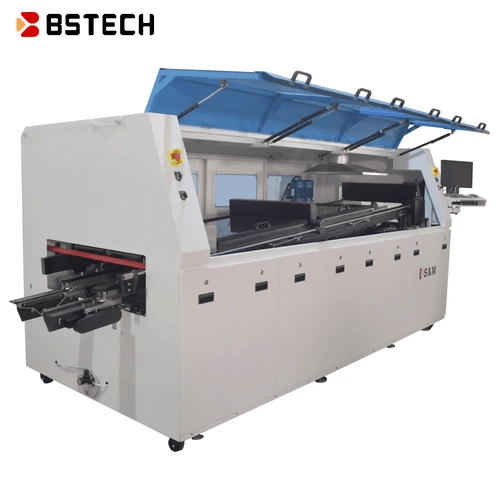
When diving into the world of electronics, having the right soldering kit is crucial. A well-equipped soldering kit simplifies your projects and enhances the quality of your work. With a variety of electronic soldering supplies available, it’s essential to know what must-haves will make your soldering experience smooth and efficient.
Must-Have Tools in a Soldering Kit
Every soldering kit should start with a reliable soldering iron, as it’s the heart of any assembly project. Alongside this, you’ll need high-quality solder for iron applications—both leaded and lead-free options are essential for different tasks. Don’t forget other indispensable tools such as wire cutters, pliers, a desoldering pump, and a sponge for keeping that iron clean; these tools ensure your projects run seamlessly from start to finish.
A good soldering kit also includes safety glasses to protect your eyes from flux fumes and accidental splashes of molten solder. Additionally, consider adding a helping hand tool or third-hand device; these gadgets hold components in place while you work with that hot iron so you can focus on achieving perfect joints without burning your fingers! Together, these tools create an ideal environment for both beginners and seasoned pros alike.
Recommendations for Beginners and Pros
For beginners just starting their journey into electronics, I recommend investing in an affordable yet versatile soldering kit that includes a basic soldering iron along with some essential electronic soldering supplies like lead-free solder. Brands like BSTECH offer beginner-friendly kits that come with everything needed to get started without overwhelming newcomers with too many options. Look for kits that provide clear instructions or online tutorials to help ease the learning curve!
For seasoned pros who understand the nuances of various projects, consider upgrading to more advanced kits featuring adjustable temperature control on their iron soldering irons or specialized nozzles for precision work. High-quality solders designed specifically for intricate tasks can also elevate your game—think about silver-bearing solders or those designed for high-frequency applications! Remember that investing in premium tools not only enhances performance but also prolongs the life of your equipment.
How BSTECH Can Enhance Your Soldering Kit
BSTECH stands out when it comes to enhancing your electronic soldering supplies through innovative designs and quality materials. Their range includes top-notch soldering irons equipped with features like rapid heat-up times and ergonomic handles—perfect for extended use without discomfort! Plus, they offer specialized solders tailored for various applications; whether you're working on delicate circuits or robust connections, BSTECH has you covered.
Moreover, BSTECH provides comprehensive support resources including tutorials and troubleshooting guides that can significantly benefit both novices and experts alike in mastering their craft using their products effectively. By choosing BSTECH's offerings, you're not just purchasing tools; you're investing in knowledge and community support that helps you grow as an electronics enthusiast! Elevate your projects today by integrating quality equipment into your existing setup.
Techniques for Effective Soldering

Soldering may seem like a simple task, but mastering it involves understanding techniques that can significantly improve your results. With the right approach, your projects will benefit from stronger connections and a more professional finish. Here’s a guide to help you navigate the world of electronic soldering supplies and perfect your soldering skills.
Step-by-Step Soldering Process
The first step in effective soldering is to prepare your workspace with all necessary electronic soldering supplies within reach. Begin by cleaning both the components and the soldering iron tip to ensure optimal conductivity; this is crucial for achieving a solid bond between the solder and iron surfaces. Next, heat your soldering iron until it's at the appropriate temperature, then touch it briefly to both the component lead and pad on the circuit board, allowing them to heat up before introducing the solder for iron application.
Once everything is heated properly, feed in your chosen solder while continuing to apply heat with the soldering iron; this allows for an even distribution of molten metal around the connection point. After removing the solder and then lifting away your iron, let everything cool undisturbed for a few seconds—this ensures that you form a strong joint without any movement that could weaken it. Following this step-by-step process will not only enhance your efficiency but also boost confidence in using your soldering kit.
Avoiding Common Soldering Mistakes
Even seasoned hobbyists can fall victim to common pitfalls when working with their trusty soldering irons. One major mistake is applying too much heat or holding the iron on components for too long; this can damage sensitive electronics or cause pads to lift off circuit boards—definitely not what you want! Additionally, neglecting to clean both your components and tools regularly can lead to poor connections due to oxidation or contamination.
Another frequent error is using inadequate amounts of solder; insufficient coverage can create weak joints while excessive amounts might lead to shorts between adjacent pads or traces. It's also crucial not to rush through projects; taking time during each step ensures you achieve quality results instead of hastily completed work that may require rework later on. By avoiding these common mistakes, you'll find that working with a good quality solder for iron applications becomes far more rewarding.
Importance of Proper Iron Temperature
The temperature of your iron plays an undeniable role in successful electronic projects involving a variety of materials and components. Using an improperly heated soldering iron can result in poor adhesion between surfaces; too cool means insufficient melting of your chosen solder while overheating risks damaging delicate parts or creating unwanted oxidation on tips and connections alike. For most electronic applications, an ideal range is typically between 350°C (662°F) and 400°C (752°F), but always check specific recommendations based on materials used.
Maintaining proper temperature control helps ensure that you're getting consistent results every time you use your equipment—after all, nobody wants their hard work undone by improper heating! Investing in high-quality tools like adjustable-temperature irons will pay off as you'll see fewer mistakes due directly from thermal issues when using them effectively alongside other essential electronic supplies like flux or desolder wick as needed throughout projects.
Soldering and Rework Equipment Innovations
The world of electronic soldering supplies is rapidly evolving, with innovations reshaping how hobbyists and professionals approach soldering tasks. From smart soldering irons to advanced rework stations, these developments are designed to enhance precision, efficiency, and user experience. As we explore the latest trends in soldering technology, it’s clear that the future of soldering equipment is bright.
Latest Trends in Soldering Technology
One of the most exciting trends in soldering technology is the rise of digital soldering irons that feature adjustable temperature controls and LCD screens for precise settings. These modern tools allow users to dial in the perfect heat for various types of solder for iron applications, ensuring optimal results every time. Additionally, some cutting-edge models come equipped with built-in safety features like automatic shut-off, making them not only efficient but also safer for everyday use.
Another significant trend is the integration of wireless technology into soldering kits. Imagine a situation where your iron can communicate with your workstation or even a smartphone app to provide real-time feedback on temperature and performance! This connectivity opens up new possibilities for monitoring projects remotely and enhancing workflow efficiency.
Lastly, environmentally friendly practices are making their way into electronic soldering supplies. The shift towards lead-free solders has prompted manufacturers to create alternatives that maintain quality while being less harmful to both users and the environment. With these innovations at play, it's clear that today's market is focused on creating better tools for everyone involved in electronics manufacturing.
Bensun’s Role in Modern Electronics Manufacturing
Bensun has positioned itself as a key player in modern electronics manufacturing by continuously pushing boundaries with its high-quality products tailored for both amateurs and seasoned professionals alike. Their commitment to innovation ensures that their range of soldering irons remains at the forefront of technology—think ergonomic designs paired with powerful heating elements! This combination not only provides comfort during extended use but also maximizes efficiency when working on intricate projects.
Moreover, Bensun's dedication to sustainability aligns perfectly with current trends toward eco-friendly practices within the industry. By developing reliable lead-free solders alongside their top-notch iron soldering iron options, they help users make responsible choices without sacrificing performance or reliability. Their products embody a holistic approach that caters not just to technical needs but also emphasizes environmental consciousness.
As we look at how Bensun continues to evolve alongside emerging technologies, it becomes evident they are shaping the future landscape of electronic soldering supplies by investing heavily in research and development initiatives aimed at improving user experience across all levels.
Future of Soldering Equipment
The future holds immense potential for advancements in both functionality and design within the realm of soldering equipment—think compact solutions packed with features previously reserved for larger setups! As manufacturers embrace miniaturization without compromising quality or performance capabilities like those found in traditional iron soldering iron units will become increasingly popular among hobbyists seeking versatility without clutter.
Additionally, we can expect more automation integrated into rework processes as robotics continue gaining traction across various industries—including electronics manufacturing! Imagine automated systems capable of performing complex tasks like reflow or desolder while maintaining precision far beyond human capabilities; this would revolutionize how we think about traditional hand-soldered techniques altogether!
In summary, as we venture further into this era characterized by rapid technological advancements combined with sustainability efforts championed by companies like Bensun—the landscape surrounding electronic soldering supplies promises exciting transformations ahead!
Conclusion

In the world of electronics, having the right tools can make or break your soldering experience. With BSTECH's range of electronic soldering supplies, you can elevate your craft to new heights. Whether you're a seasoned pro or just starting out, investing in quality soldering equipment is essential for achieving precise and reliable results.
Elevating Your Soldering Experience
To truly elevate your soldering experience, it’s crucial to have a high-quality soldering iron that meets your specific needs. A well-chosen soldering iron not only enhances precision but also makes the entire process more enjoyable. Combine this with the right solder for iron applications, and you'll find yourself creating flawless connections with ease.
Investing in Reliable Electronic Supplies
Investing in reliable electronic supplies is key to ensuring long-lasting performance and satisfaction in your projects. Quality soldering kits often come with all the necessary components, so you won’t find yourself scrambling for that elusive tool mid-project.
Final Thoughts on BSTECH and Quality Equipment
BSTECH stands out as a leader in providing top-notch electronic soldering supplies tailored to meet diverse needs. Their commitment to quality ensures that every hobbyist and professional can find exactly what they need for successful projects. So next time you’re gearing up for some serious solder work, remember that choosing BSTECH means investing in reliability and excellence.