
Introduction
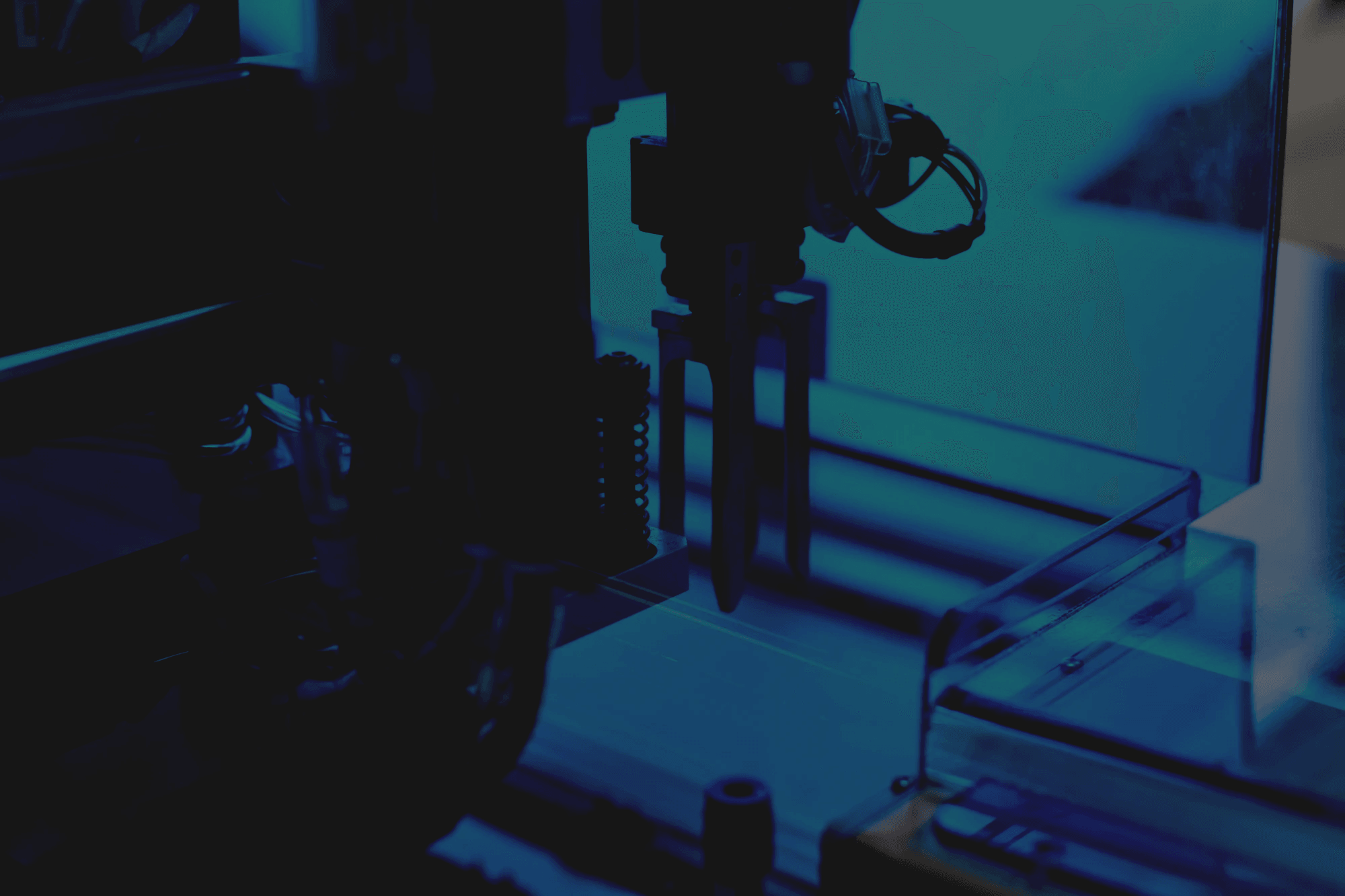
In the fast-paced world of electronics, industrial pick and place machines stand as a cornerstone in the production line, particularly in printed circuit assembly (PCA). These machines are not just tools; they are vital players that enhance efficiency and precision in circuit card assembly, ensuring that every component is placed accurately on the pcb assembly board. Their significance is underscored by their ability to handle surface mount devices (SMDs), which have become essential in modern electronic devices.
Importance of Industrial Pick and Place Machines
The role of an industrial pick and place machine cannot be overstated when it comes to pcb manufacturing. They streamline the assembly process, reducing manual labor while increasing throughput and accuracy. This automation is crucial for printed circuit board manufacturers aiming to meet high demand without compromising quality.
How These Machines Revolutionize PCB Manufacturing
Industrial pick and place machines have revolutionized PCB manufacturing by enabling faster production cycles and minimizing errors associated with manual placement. Their advanced technology allows for quick adjustments, accommodating various component sizes and types seamlessly during circuit board manufacturing. As a result, manufacturers can efficiently produce complex assemblies with a higher degree of reliability.
Overview of Key Components and Their Functions
Understanding the key components of an industrial pick and place machine provides insight into its operation. The primary elements include a vision system for precise alignment, robotic arms for accurate placement, and feeders that supply components as needed during assembly processes. Together, these components ensure that each surface mount device is positioned perfectly on the pcb assembly board, paving the way for high-quality electronic products.
What is an Industrial Pick and Place Machine

Industrial pick and place machines are essential tools in the realm of PCB manufacturing, designed to automate the placement of components onto a printed circuit board (PCB) with precision and speed. These machines streamline the printed circuit assembly process, significantly enhancing production efficiency and accuracy. By replacing manual labor with automated systems, they reduce errors and improve overall output quality.
Definition and Purpose
An industrial pick and place machine is a robotic device that picks up electronic components from a feeder or tray and places them accurately onto a PCB during circuit card assembly. The primary purpose of these machines is to facilitate rapid assembly while ensuring high precision in component placement, which is critical for the performance of surface mount devices (SMDs). This automation not only speeds up the production process but also minimizes human error, making it indispensable for printed circuit board manufacturers.
Key Features and Specifications
Key features of industrial pick and place machines include high-speed operation, advanced vision systems for precise alignment, and flexible component handling capabilities to accommodate various sizes of SMDs. Specifications often highlight placement accuracy within microns, allowing for intricate designs on PCB assembly boards. Additionally, many models come equipped with user-friendly interfaces that simplify programming and monitoring during circuit board manufacturing processes.
Typical Applications in the Industry
Industrial pick and place machines are widely used across several sectors including consumer electronics, automotive electronics, telecommunications, and medical devices due to their versatility in handling diverse applications. In PCB manufacturing facilities, they play a crucial role in assembling complex multi-layered PCBs that require precise component placement for optimal functionality. Furthermore, as technology evolves, these machines continue to adapt to new requirements such as miniaturization in electronic devices while maintaining efficiency in printed circuit assembly.
The Role of Industrial Pick and Place Machines in PCB Assembly

Industrial pick and place machines play a pivotal role in the realm of PCB assembly, acting as the unsung heroes behind efficient production lines. Their precision and speed ensure that components are accurately placed on the pcb assembly board, minimizing errors and enhancing overall quality. As printed circuit board manufacturers strive for excellence, these machines become indispensable tools that drive innovation in circuit board manufacturing.
Importance in Printed Circuit Assembly
In printed circuit assembly, the importance of an industrial pick and place machine cannot be overstated. These machines streamline the process by automatically positioning surface mount devices onto the pcb assembly board with remarkable accuracy. This level of precision not only reduces waste but also significantly enhances the reliability of electronic products, making them crucial for manufacturers aiming to meet high standards.
Enhancing Efficiency in Circuit Card Assembly
When it comes to circuit card assembly, efficiency is king, and industrial pick and place machines reign supreme. By automating component placement, these machines drastically cut down on production time compared to manual methods. This efficiency translates into higher output rates for printed circuit board manufacturers, allowing them to meet growing market demands without compromising quality.
Connection to Surface Mount Devices
The connection between industrial pick and place machines and surface mount devices is a match made in electronics heaven. These machines are designed specifically to handle the delicate nature of surface mount technology, ensuring that components are placed accurately without damage. As surface mount devices continue to dominate modern pcb manufacturing trends, the reliance on advanced pick and place technology becomes increasingly vital for staying competitive in a fast-paced industry.
Choosing the Right Industrial Pick and Place Machine
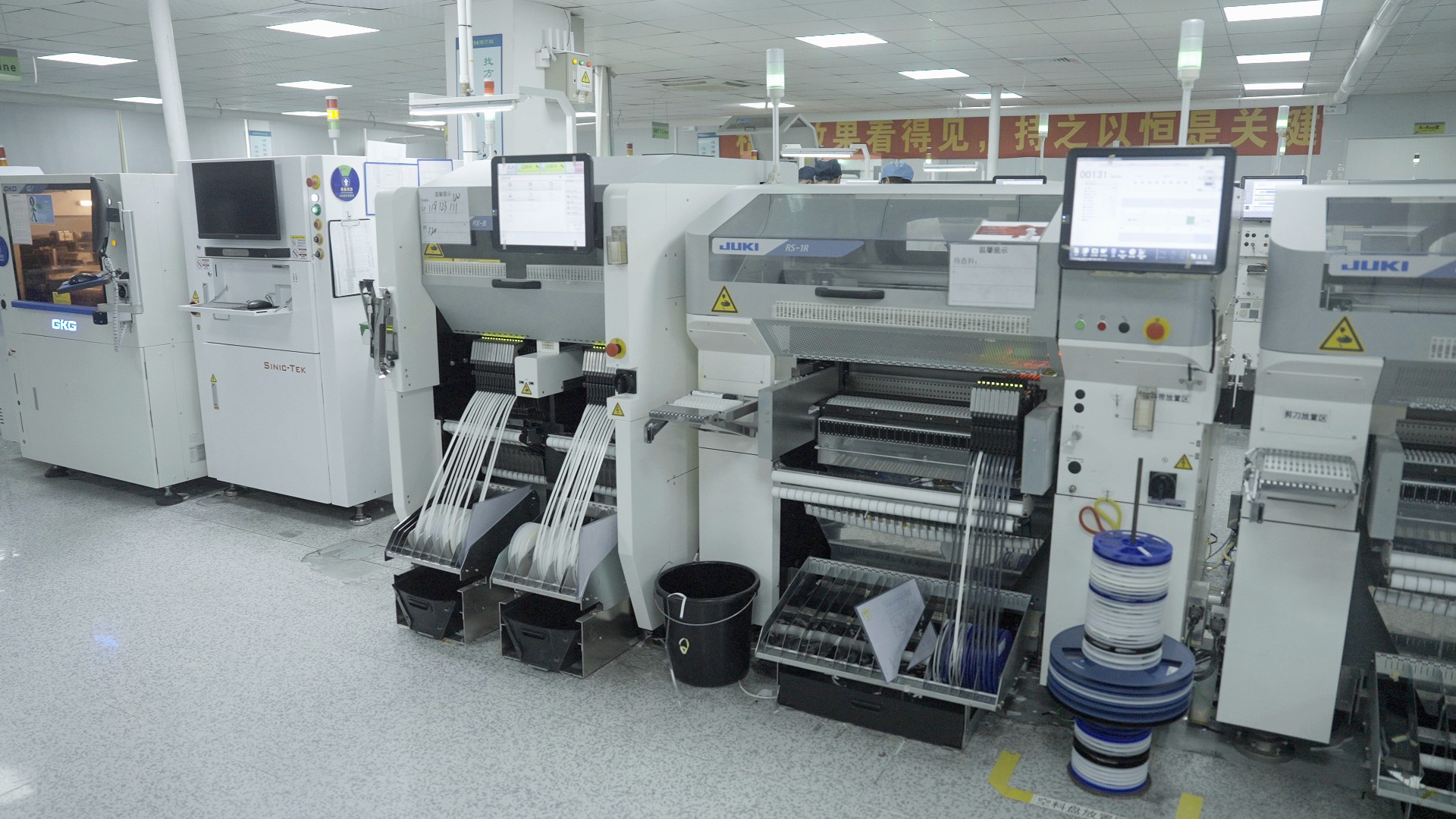
Selecting the right industrial pick and place machine is crucial for optimizing your printed circuit assembly processes. With a variety of options available, understanding what features will best serve your specific needs can make all the difference in circuit card assembly efficiency. This section will guide you through essential factors to consider, compare leading models in the market, and provide tailored recommendations from Bensun Technology.
Factors to Consider for Optimal Performance
When evaluating an industrial pick and place machine, several factors come into play to ensure optimal performance during PCB manufacturing. First, consider the speed and accuracy of the machine; these metrics are vital for meeting production demands while maintaining quality standards in printed circuit board manufacturing. Additionally, look at compatibility with various surface mount devices (SMDs) and how well the machine handles different sizes and types of components—this versatility can greatly enhance your PCB assembly board's efficiency.
Another critical factor is the software used for programming and controlling the machine. A user-friendly interface can streamline operations significantly, allowing for quicker setup times when switching between different circuit card assembly tasks. Finally, assess maintenance requirements; machines that offer easy access for repairs or upgrades can save you time and money in the long run.
Comparison of Leading Models in the Market
The market offers a plethora of industrial pick and place machines with varying features tailored to different needs within PCB manufacturing. For instance, Model A excels in speed but may lack some flexibility in component handling compared to Model B, which offers superior versatility at a slightly slower pace. Meanwhile, Model C stands out for its advanced automation capabilities but comes with a heftier price tag—an important consideration based on your budget constraints.
To help narrow down your choices further, it’s essential to evaluate customer reviews and case studies from printed circuit board manufacturers who have successfully integrated these machines into their workflows. Comparing specifications such as component placement accuracy, feeder capacity, and overall footprint will also guide you toward making an informed decision that aligns with your production goals.
Recommendations from Bensun Technology
Bensun Technology has established itself as a leader in providing high-quality industrial pick and place machines that cater specifically to PCB assembly needs. We recommend considering our top model designed with cutting-edge technology that ensures precise placement of surface mount devices while maintaining exceptional speed—ideal for high-volume production environments. Additionally, our machines come equipped with intuitive software that simplifies programming tasks associated with complex circuit board manufacturing processes.
For smaller-scale operations or those just starting out in printed circuit assembly, we suggest exploring our compact models that still deliver impressive performance without overwhelming your workspace or budget constraints. Our team at Bensun Technology is committed to supporting you throughout every step—from initial selection through installation—to ensure you get maximum value from your investment.
Maintenance Tips for Industrial Pick and Place Machines
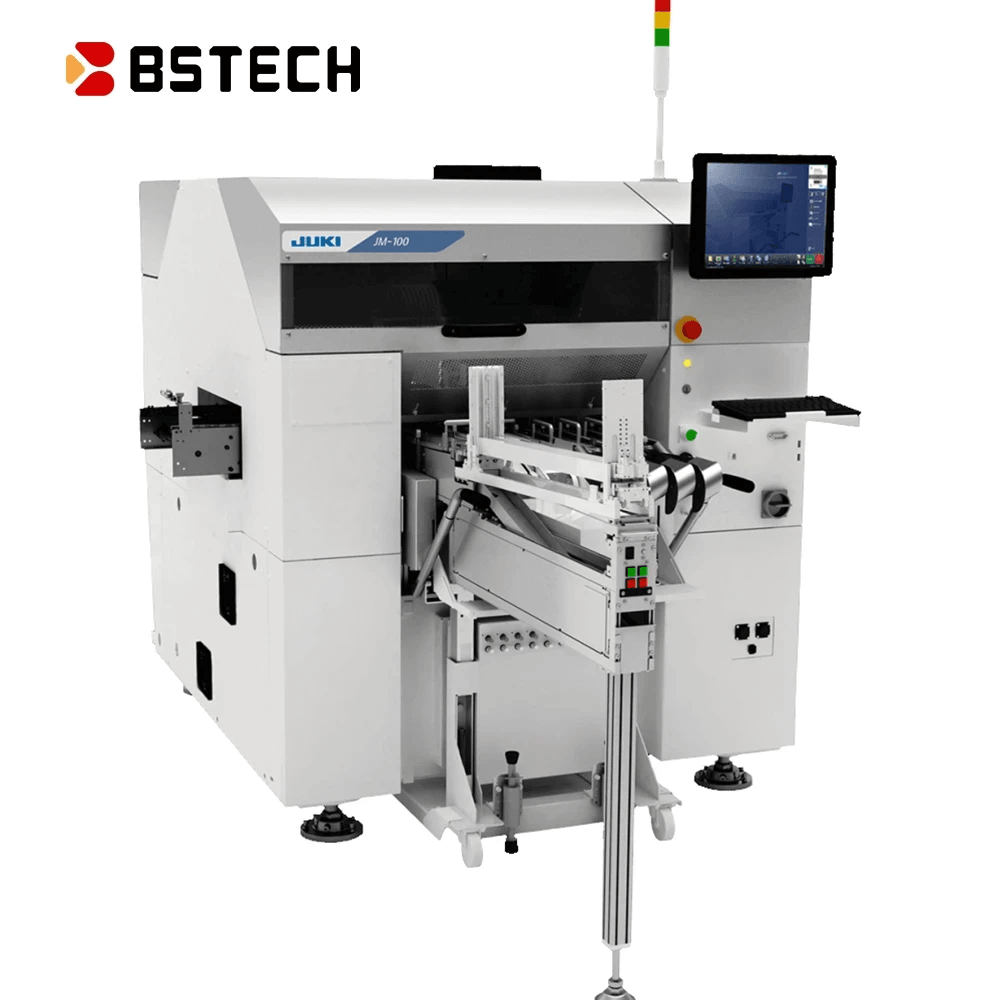
Maintaining your industrial pick and place machine is crucial for ensuring optimal performance in printed circuit assembly. Regular upkeep not only extends the lifespan of these machines but also enhances their efficiency in circuit card assembly. By following some straightforward maintenance tips, you can keep your PCB assembly board running smoothly and effectively.
Regular Maintenance Practices
To maintain an industrial pick and place machine, it's essential to establish a routine maintenance schedule that includes cleaning and inspection. Regularly check for dust, debris, or any residue around the nozzles and conveyor belts, as these can interfere with the precision necessary for surface mount devices placement. Additionally, lubricate moving parts according to the manufacturer's recommendations to ensure seamless operation during PCB manufacturing processes.
Another key aspect of regular maintenance is software updates. Keeping the machine's software up-to-date ensures compatibility with newer components and improves functionality during circuit board manufacturing tasks. Also, don't forget to calibrate the machine periodically; this helps maintain accuracy in placing components on printed circuit boards.
Finally, ensure that all electrical connections are secure and free from corrosion. Inspecting wiring regularly can prevent unexpected shutdowns or malfunctions during critical assembly phases, ultimately leading to smoother operations in your PCB assembly workflow.
Troubleshooting Common Issues
Even with diligent maintenance practices, issues may arise with your industrial pick and place machine from time to time. One common problem is misalignment during component placement; this often occurs due to worn-out nozzles or improper calibration settings. If you notice that surface mount devices are not being placed accurately on the PCB assembly board, double-check your calibration parameters before replacing any parts.
Another frequent issue involves feeder jams or component misfeeds which can disrupt production flow significantly. Ensure that feeders are loaded correctly and that components are compatible with each feeder type used in your circuit card assembly process. Regularly inspect feeders for wear or damage; replacing worn parts promptly will save you time in troubleshooting later on.
Lastly, if you encounter errors displayed by the machine's software interface, consult the user manual for guidance on resolving these issues quickly. Most modern industrial pick and place machines feature diagnostic tools that can help pinpoint problems effectively—using these tools can save valuable time when troubleshooting.
Expert Advice for Longevity
To maximize the longevity of your industrial pick and place machine, consider investing in training programs for operators who handle it regularly during PCB manufacturing processes. Well-trained personnel are more likely to recognize potential problems early on before they escalate into costly repairs or downtime affecting printed circuit board manufacturers' output schedules.
Additionally, keep a log of all maintenance activities performed on the machine—this record will help identify patterns over time regarding when certain components require replacement or servicing most frequently within your circuit board manufacturing operations. Monitoring usage trends allows you to proactively address issues before they impact overall productivity levels.
Finally, don't hesitate to reach out for professional support when needed! Partnering with experienced technicians who specialize in maintaining industrial pick and place machines ensures expert advice tailored specifically towards optimizing performance while extending equipment lifespan throughout various stages of PCB assembly processes.
Future Trends in Pick and Place Technology
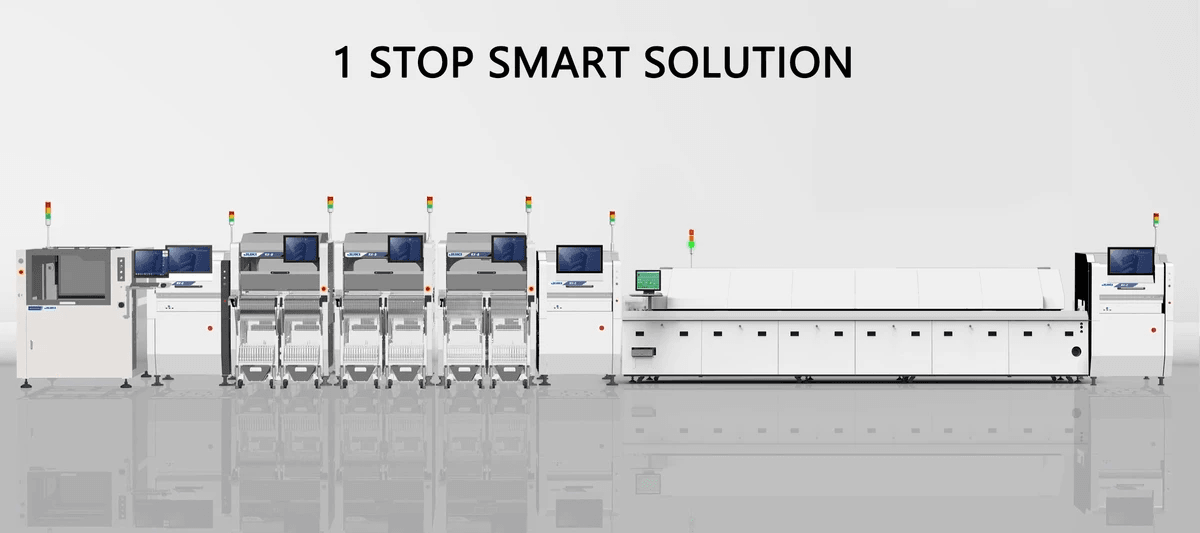
The landscape of PCB manufacturing is rapidly evolving, driven by advancements in technology and the increasing demand for precision and efficiency. One of the key drivers behind these changes is the innovation in industrial pick and place machines, which are becoming more sophisticated than ever. As printed circuit board manufacturers strive to meet the needs of modern electronics, these machines are at the forefront of a revolution that promises to enhance productivity and accuracy in circuit card assembly.
Innovations Shaping PCB Manufacturing
Innovations in industrial pick and place machines are transforming how printed circuit assemblies are produced. For instance, new technologies such as vision systems are allowing machines to recognize surface mount devices with greater accuracy, reducing errors during placement. Additionally, advancements in software algorithms enable real-time adjustments based on component variations, ensuring consistency across PCB assembly boards.
Moreover, modular designs are becoming increasingly popular among manufacturers, allowing for easy upgrades and customization of pick and place systems. This flexibility helps businesses adapt to changing market demands without significant overhauls of their existing equipment. As these innovations continue to emerge, they will play a pivotal role in streamlining processes within circuit board manufacturing.
The Role of Automation in Circuit Board Manufacturing
Automation is reshaping the landscape of circuit board manufacturing by enhancing efficiency and reducing labor costs associated with manual assembly processes. Industrial pick and place machines equipped with automated features can operate continuously while maintaining high levels of precision during printed circuit assembly tasks. This not only speeds up production rates but also minimizes human error that can lead to costly defects.
Furthermore, automation allows for better integration within smart factories where data analytics can optimize machine performance in real time. By leveraging IoT (Internet of Things) technologies, manufacturers can monitor their equipment remotely and make informed decisions about maintenance or operational adjustments promptly. The shift towards automation is clear; it's not just about replacing human labor but augmenting capabilities for superior outcomes.
Predictions for the Next Generation of Machines
Looking ahead, we can expect the next generation of industrial pick and place machines to incorporate even more advanced technologies such as artificial intelligence (AI) and machine learning (ML). These innovations will enable machines to learn from previous operations, continuously improving their performance over time while adapting to new types of surface mount devices with ease. Predictive maintenance powered by AI could also become standard practice, helping prevent breakdowns before they occur.
Additionally, sustainability will likely play a significant role in shaping future designs; energy-efficient machinery that reduces waste will be highly sought after among environmentally conscious printed circuit board manufacturers. The integration of eco-friendly materials into machine construction may also become commonplace as industries strive to reduce their carbon footprint while maintaining high standards for quality in PCB assembly processes.
Conclusion
In the ever-evolving landscape of PCB manufacturing, the industrial pick and place machine stands out as a game changer. These machines play a crucial role in enhancing the efficiency and accuracy of printed circuit assembly, making them indispensable for modern circuit card assembly processes. As more printed circuit board manufacturers embrace automation, the importance of these machines continues to grow, ensuring high-quality production at unprecedented speeds.
Recap of Industrial Pick and Place Importance
The industrial pick and place machine is vital for streamlining operations in PCB assembly board production. Its ability to handle complex surface mount devices with precision significantly reduces assembly time while improving overall quality. By automating repetitive tasks, these machines not only enhance productivity but also minimize human error, which is critical in today's competitive circuit board manufacturing environment.
How Bensun Technology Supports Your Needs
Bensun Technology offers a range of cutting-edge industrial pick and place machines tailored to meet diverse needs in PCB manufacturing. Their commitment to quality ensures that each machine is equipped with advanced features designed for efficiency and reliability in printed circuit assembly processes. With expert support and comprehensive maintenance services, Bensun Technology stands ready to help you optimize your operations and achieve exceptional results.
Final Thoughts on Optimizing PCB Assembly Processes
To truly excel in the world of printed circuit board manufacturing, embracing innovations like the industrial pick and place machine is essential. These machines not only facilitate seamless integration into existing workflows but also pave the way for future advancements in automated solutions for circuit card assembly. As we look ahead, investing in top-tier technology will be key to staying competitive while ensuring that your PCB assembly processes are as efficient as possible.