
Introduction
In the realm of electronics manufacturing, understanding selective soldering machines is crucial for any business looking to optimize its production processes. These machines play a vital role in PCB soldering, providing precision and efficiency that traditional wave soldering methods often lack. However, the selective soldering machine price can vary significantly based on numerous factors, making it essential to grasp what influences these costs.
Understanding Selective Soldering Machines
Selective soldering machines are specialized pieces of equipment designed to automate the process of applying solder & flux to specific areas on a printed circuit board (PCB). Unlike wave soldering machines that flood the entire board with molten solder, selective soldering allows for targeted application, minimizing waste and defects. This technology not only enhances production efficiency but also ensures higher-quality results in PCB assembly.
Why Price Variation Matters
The variation in selective soldering machine prices can be perplexing for manufacturers trying to make informed purchasing decisions. Understanding why some models command higher prices than others is essential for evaluating their potential return on investment. Factors such as advanced features, brand reputation, and production capabilities all contribute to these price differences, impacting the overall cost of owning and operating such sophisticated soldering equipment.
Overview of Key Price Factors
When considering the purchase of a selective soldering machine, several key factors come into play that can affect its price tag significantly. Technology and innovation are at the forefront; automation features and advanced functionalities can drive costs up while enhancing productivity. Additionally, market demand and supply dynamics influence pricing trends in this competitive landscape—especially as businesses strive to keep pace with evolving standards in PCB manufacturing and assembly processes.
Technology and Innovation
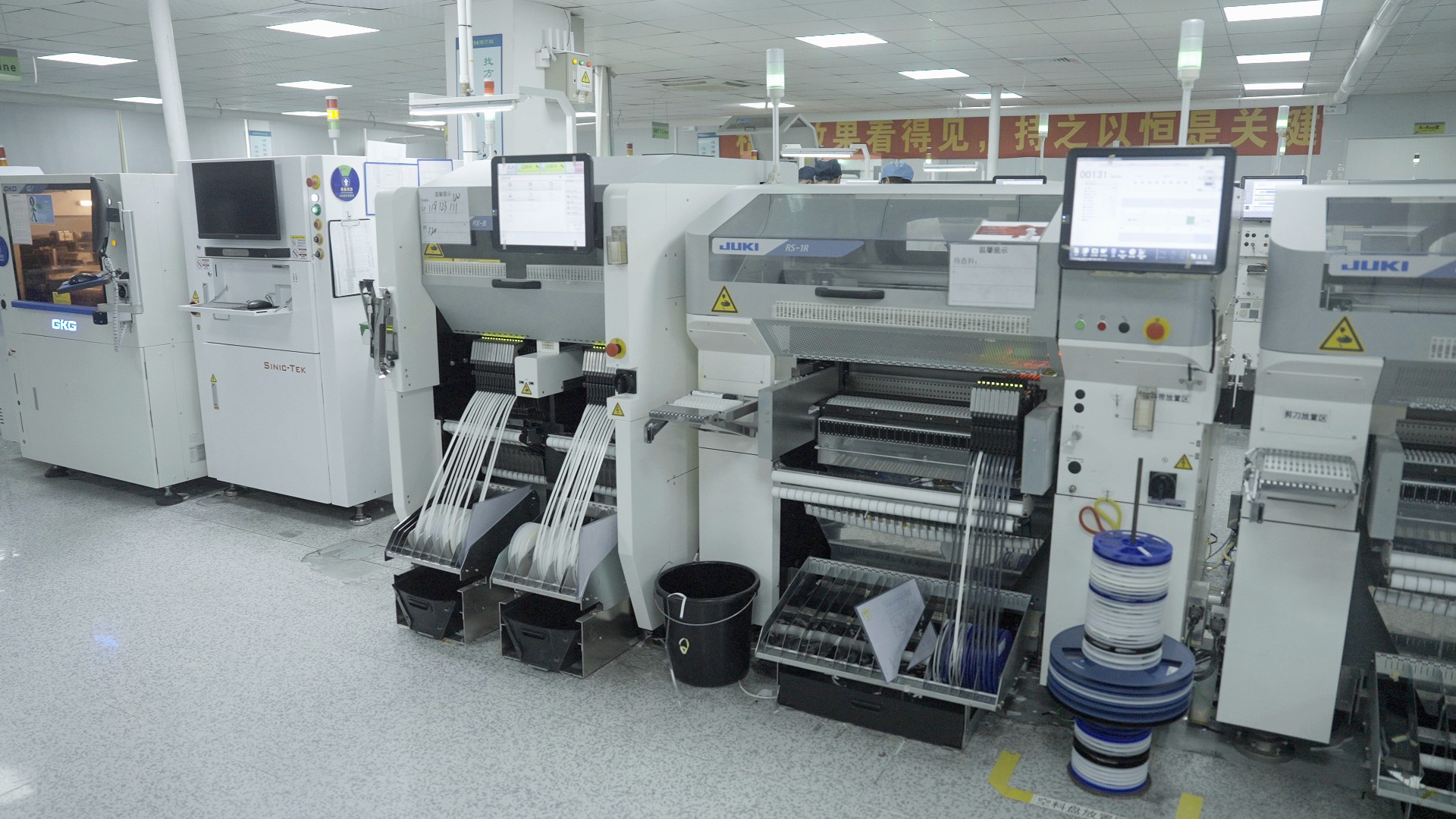
In the ever-evolving world of electronics manufacturing, technology and innovation play a pivotal role in determining the selective soldering machine price. As manufacturers seek to enhance efficiency and precision, the integration of cutting-edge automation has become increasingly prevalent. This shift not only streamlines production processes but also significantly impacts costs associated with solder & flux usage, ultimately shaping pricing strategies for various soldering equipment.
Impact of Automation on Costs
Automation is revolutionizing the landscape of PCB soldering, leading to substantial cost savings over time. By reducing manual labor requirements and minimizing human error, automated selective soldering machines can deliver consistent quality at a lower operational cost. Consequently, while the initial investment may be higher for an automated system compared to traditional wave soldering machines, the long-term savings in labor and material waste often justify this expense.
Moreover, automation allows for faster production cycles, which can further drive down costs per unit produced. As demand for high-quality electronic components increases, manufacturers are turning to these advanced solutions to maintain competitive pricing on their products. Therefore, understanding how automation influences selective soldering machine price is essential for making informed purchasing decisions.
Advanced Features and Their Costs
When evaluating selective soldering equipment, it's crucial to consider the advanced features that can contribute to overall performance and efficiency. Features such as programmable profiles for different types of boards or integrated inspection systems can enhance functionality but also come with added costs. These sophisticated capabilities can lead to improved throughput and reduced rework rates—factors that ultimately influence the total cost of ownership.
However, it's important not to overlook that while these advanced features may increase the initial price tag of a selective soldering machine, they often pay off in terms of improved yield rates and reduced operational disruptions during PCB soldering processes. Manufacturers must weigh these benefits against their budget constraints when selecting equipment that aligns with their operational goals. Thus, understanding how advanced features impact selective soldering machine price is vital for strategic investment decisions.
Role of Brand Reputation in Pricing
Brand reputation significantly influences selective soldering machine prices within the market landscape. Established brands often command higher prices due to perceived reliability and superior customer support services associated with their products—attributes that many manufacturers find invaluable when investing in critical soldering equipment like wave soldering machines or other advanced systems. Buyers are often willing to pay a premium for brands known for durability and effectiveness in PCB assembly processes.
Additionally, well-regarded brands tend to invest more heavily in research and development (R&D), leading to innovations that further enhance product offerings over time—this ongoing commitment contributes not only to brand loyalty but also justifies higher pricing models compared to lesser-known competitors like JUKI or newcomers trying to establish themselves in the market space. Ultimately, understanding how brand reputation affects selective soldering machine price helps buyers make informed choices aligned with both quality expectations and budgetary constraints.
Production Capabilities
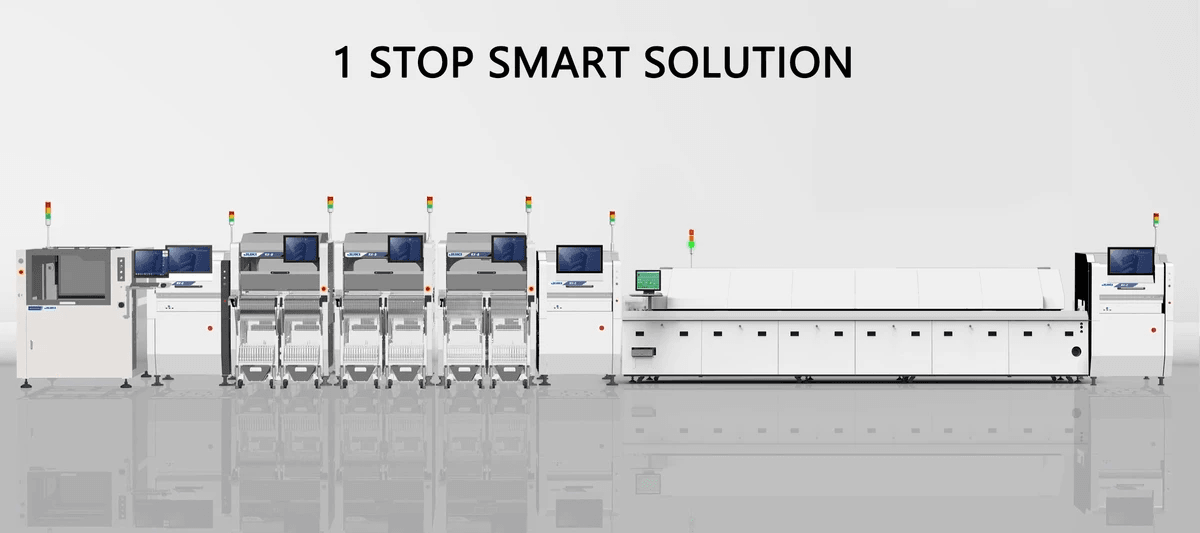
When it comes to selective soldering machines, production capabilities play a crucial role in determining the overall price. Machines that offer higher efficiency and throughput can significantly reduce manufacturing costs, making them more attractive investments for businesses looking to scale. As a result, understanding how these factors influence selective soldering machine prices can help buyers make informed decisions.
Efficiency and Throughput Influence on Price
The efficiency of a selective soldering machine is a key determinant of its price tag. Machines that can process PCBs at higher speeds with minimal downtime generally command higher prices due to their ability to increase production rates and lower operational costs over time. In contrast, less efficient models may seem appealing at first glance but often lead to increased labor costs and longer cycle times, ultimately affecting the total cost of ownership.
Throughput is another critical metric; it refers to the number of PCBs that can be processed in a given timeframe. Higher throughput not only maximizes productivity but also minimizes waste associated with solder & flux usage during wave soldering processes. Therefore, investing in a high-throughput selective soldering machine could result in substantial long-term savings despite a steeper initial investment.
Customization Level and Its Financial Implications
Customization options available in selective soldering machines can greatly impact their pricing structure. Machines that provide tailored solutions for specific PCB designs or complex assemblies often come with higher price points due to the advanced technology involved in their development and production. However, this customization can lead to improved quality control and reduced rework costs down the line.
While standard models may suffice for basic applications like wave soldering, specialized tasks require machines capable of adapting to various components and layouts—hence the need for customization comes into play. It's essential for potential buyers to weigh these financial implications against their operational needs; investing in a highly customizable machine might yield better results than opting for cheaper alternatives that lack flexibility.
Comparison with Competitors like JUKI
When evaluating selective soldering machine prices, comparing options from different manufacturers is vital—especially when considering industry leaders like JUKI. JUKI's reputation for high-quality soldering equipment often translates into premium pricing; however, their machines are designed with advanced features that enhance both performance and longevity compared to lower-priced alternatives on the market.
Additionally, while some competitors may offer lower upfront costs, they might compromise on efficiency or component quality—leading buyers back into costly repairs or replacements sooner than expected. By analyzing both short-term expenses and long-term benefits associated with brands like JUKI versus others in the market, businesses can make strategic choices regarding their investment in selective soldering technology.
Component Quality

When it comes to selective soldering machines, the quality of components plays a pivotal role in determining overall performance and longevity. High-grade materials not only enhance the reliability of soldering equipment but also directly impact the selective soldering machine price. Investing in quality components means fewer breakdowns and a longer lifespan, making it a smart choice for manufacturers focused on efficiency and productivity.
Importance of High-Grade Materials
The significance of high-grade materials cannot be overstated in the realm of PCB soldering. These materials ensure that solder joints are robust and reliable, which is crucial for the integrity of electronic assemblies. For instance, using superior solder & flux can improve flow characteristics and reduce defects during wave soldering processes, ultimately leading to better product outcomes.
Additionally, high-quality components contribute to consistent performance across various applications, including wave soldering machines. When manufacturers opt for lower-grade materials to cut costs, they often find themselves facing higher long-term expenses due to increased maintenance needs and potential rework on defective boards. Thus, investing in top-notch materials is not just about initial savings; it's about securing value over time.
How Component Sourcing Affects Price
Component sourcing can significantly influence the selective soldering machine price by affecting both cost and availability. Manufacturers who prioritize sourcing from reputable suppliers often face higher upfront costs but benefit from enhanced reliability and performance in their equipment. Conversely, those who choose cheaper alternatives may save money initially but risk incurring additional expenses through repairs or replacements down the line.
Moreover, fluctuations in global supply chains can lead to variations in component prices that impact overall production costs for selective soldering machines. For example, if specific high-quality materials become scarce due to supply chain disruptions or increased demand, prices may rise dramatically—making it vital for companies to stay informed about market trends when budgeting for their equipment purchases.
Ultimately, understanding how component sourcing affects pricing helps manufacturers make informed decisions that align with their operational goals while ensuring they don’t compromise on quality.
Bensun's Commitment to Quality Components
Bensun stands out as a leader in the industry by committing itself to using only high-quality components in its selective soldering machines. This commitment not only enhances performance but also aligns with their mission of providing reliable solutions for PCB soldering applications across various sectors. By prioritizing quality over cost-cutting measures, Bensun ensures that its customers receive exceptional value with every purchase.
Furthermore, Bensun’s dedication extends beyond just selecting premium raw materials; it encompasses rigorous testing protocols that guarantee each component meets stringent standards before being integrated into their products. This meticulous attention to detail contributes significantly to minimizing defects during wave soldering processes while maximizing efficiency—benefits that are reflected directly in competitive pricing strategies.
In conclusion, Bensun’s emphasis on quality components not only elevates its product offerings but also reassures customers regarding long-term investment returns associated with selective soldering machine price stability.
Market Demand and Supply
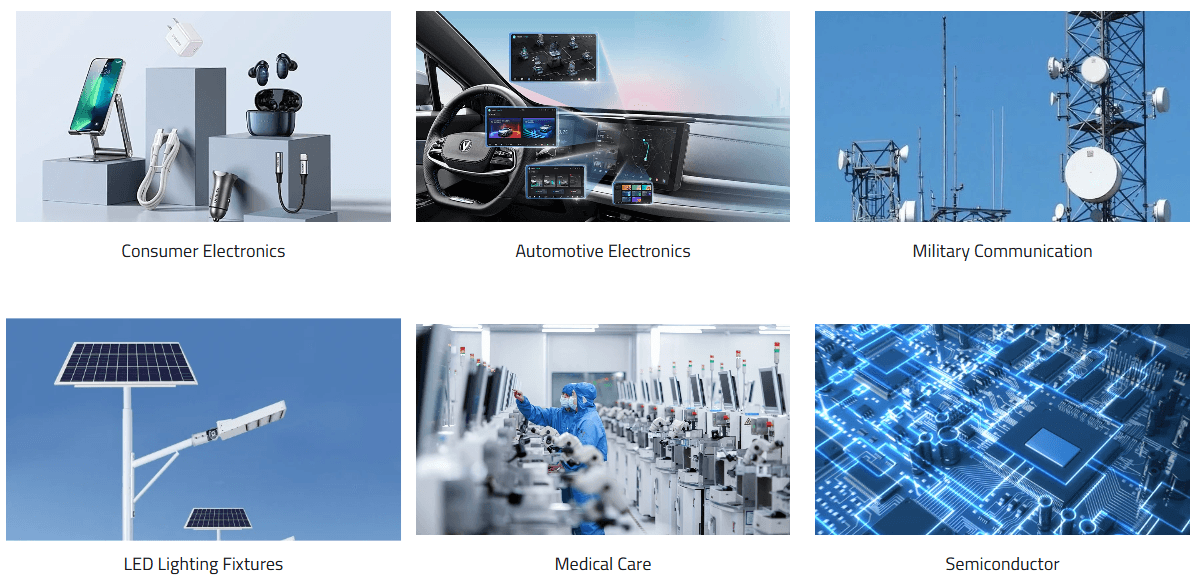
Understanding the market dynamics of selective soldering machines is crucial for making informed purchasing decisions. Prices for these machines can fluctuate based on various factors, including industry demand, seasonal trends, and global supply chain issues. By examining these elements, buyers can better anticipate changes in selective soldering machine price and make strategic investments.
Effects of Industry Demand on Pricing
The demand for selective soldering equipment is heavily influenced by the overall performance of industries reliant on PCB soldering technology. When sectors such as electronics manufacturing experience a boom, the demand for high-quality solder & flux increases significantly, leading to a rise in selective soldering machine price. Conversely, during economic downturns or slow periods in production, prices may stabilize or even drop as manufacturers seek to clear inventory.
As companies strive for efficiency and precision in their operations, the need for advanced soldering equipment becomes more pronounced. This heightened interest often drives up prices due to increased competition among manufacturers vying for market share. Ultimately, understanding how industry demand correlates with pricing can empower businesses to time their purchases strategically.
Seasonal Trends Influencing Selective Soldering Machine Price
Seasonal fluctuations also play a critical role in determining the price of selective soldering machines. For instance, many manufacturers ramp up production ahead of holiday seasons or major product launches, leading to spikes in demand for wave soldering machines and other associated equipment during those times. This surge can cause temporary price increases as suppliers struggle to keep pace with heightened orders.
Conversely, off-peak seasons may see a decrease in sales and subsequent pricing adjustments from manufacturers eager to stimulate interest through promotions or discounts on their soldering equipment offerings. By keeping an eye on these seasonal trends related to PCB soldering needs, buyers can position themselves advantageously when it comes time to invest in new machinery.
The Role of Global Supply Chain Factors
Global supply chain dynamics significantly influence the availability and pricing of selective soldering machines. Factors such as material shortages—especially concerning high-grade components used in wave soldering—can lead to increased costs that are ultimately passed down to consumers through higher machine prices. Additionally, disruptions caused by geopolitical tensions or natural disasters may further complicate sourcing efforts for essential materials like specialized solders and fluxes.
Manufacturers must navigate these complexities while trying to maintain competitive pricing structures amidst fluctuating costs due to supply chain challenges. Understanding how these global factors affect production timelines helps buyers anticipate potential delays or increase costs associated with acquiring new selective soldering technology. In this ever-evolving landscape, staying informed about supply chain conditions is key when evaluating total cost implications associated with selective soldering machine purchases.
Maintenance and Support
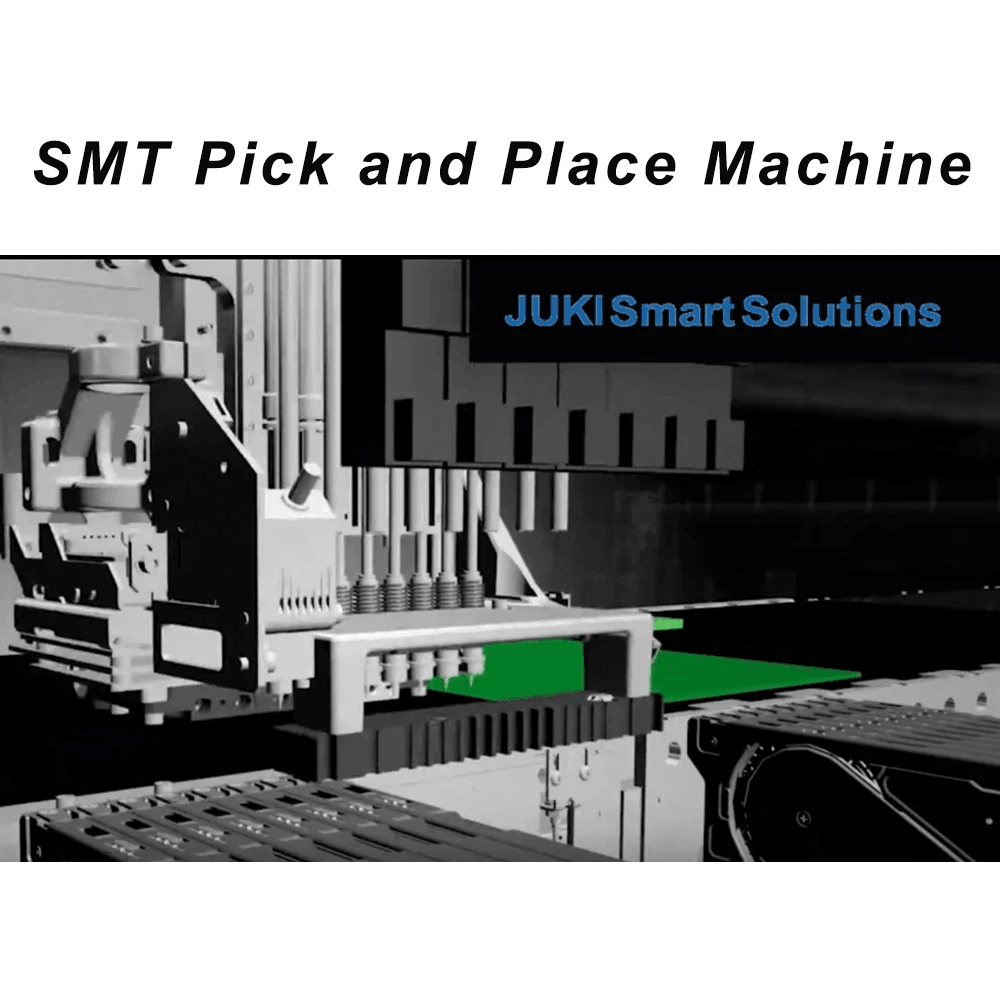
When investing in a selective soldering machine, maintenance and support become crucial considerations that can significantly influence the overall cost of ownership. While the initial price tag may catch your eye, it's the long-term value derived from effective maintenance that often makes or breaks your investment. A well-maintained machine not only ensures consistent performance but also minimizes downtime, which can be costly for PCB soldering operations.
Long-Term Value vs. Initial Costs
The selective soldering machine price might seem reasonable at first glance, but you must consider how it aligns with your long-term operational goals. Investing in high-quality soldering equipment often pays off over time through reduced repair costs and improved efficiency in wave soldering processes. Choosing a machine with robust maintenance support can save you from unexpected expenses down the line, making it a wise financial decision.
Importance of Warranty and Service Packages
When evaluating selective soldering machines, don't overlook the importance of warranty and service packages offered by manufacturers. A solid warranty can provide peace of mind, ensuring that if something goes awry with your wave soldering machine, you're covered without incurring additional costs for repairs or parts replacement. Additionally, service packages often include regular check-ups and preventative maintenance that keep your equipment running smoothly—an essential factor when considering overall costs associated with PCB soldering.
Evaluating Total Cost of Ownership
Total cost of ownership (TCO) is an essential metric when assessing the true financial impact of a selective soldering machine on your business operations. This includes not only the initial purchase price but also ongoing expenses like maintenance, component sourcing for solder & flux, energy consumption during operation, and potential downtime due to repairs or inefficiencies in wave soldering processes. By understanding TCO in relation to selective soldering machine price, businesses can make informed decisions that align with their budgetary constraints while ensuring they invest wisely in quality equipment.
Conclusion
In the ever-evolving landscape of soldering technology, understanding the nuances of selective soldering machine price is essential for making informed purchasing decisions. Numerous factors contribute to these price variations, including technological advancements, production capabilities, component quality, and market demand. By grasping these influences, businesses can better navigate their investments in soldering equipment.
Recap of Pricing Influences
The price of a selective soldering machine is shaped by various elements such as automation features, brand reputation, and the materials used in construction. For instance, advanced automation can significantly enhance productivity but may also increase initial costs. Additionally, the competitive landscape—especially when compared with alternatives like wave soldering machines—can further complicate pricing structures.
Evaluating Your Investment in Technology
Investing in a selective soldering machine isn't just about the upfront cost; it’s about understanding long-term value and efficiency. Consider how features like integrated solder & flux systems or high-quality PCB soldering capabilities can impact your operational costs over time. A well-chosen machine not only optimizes production but also minimizes maintenance expenses and downtime.
Making Informed Decisions on Selective Soldering Machines
When faced with a multitude of options for selective soldering equipment, thorough research is crucial to ensure you’re making an informed decision that aligns with your business needs. Compare different models based on their total cost of ownership rather than just sticker prices; this includes evaluating warranty services and support packages offered by manufacturers. Ultimately, investing wisely will yield not only immediate benefits but also sustained productivity gains over time.