
Introduction
In the fast-paced world of electronics manufacturing, the role of Automated Optical Inspection (AOI) has become indispensable. The AOI machine for PCB not only enhances production efficiency but also plays a crucial part in maintaining quality standards. As technology evolves, the integration of AOI systems within Surface Mount Technology (SMT) processes is transforming how manufacturers approach quality control.
The Role of AOI in Electronics Manufacturing
Automated Optical Inspection (AOI) serves as a critical checkpoint in the electronics manufacturing process, particularly for printed circuit boards (PCBs). By utilizing advanced imaging technology, an AOI smt machine can quickly identify defects that may arise during assembly. This proactive approach helps manufacturers catch issues early, reducing waste and ensuring that only high-quality products reach consumers.
Why Quality Control Matters in SMT
Quality control is paramount in SMT because even minor defects can lead to significant failures in electronic devices. As components become smaller and more complex, the need for precise inspection methods like those offered by AOI inspectors grows increasingly important. By implementing effective quality control measures through automated systems, manufacturers can enhance reliability and customer satisfaction.
Key Benefits of Automated Optical Inspection
The key benefits of using an AOI machine for PCB include faster inspection times and improved accuracy compared to manual inspection methods. Automated optical inspection minimizes human error while providing real-time feedback on production quality, enabling swift corrective actions when necessary. Furthermore, integrating AOI into production lines leads to cost savings over time due to reduced rework and warranty claims.
Understanding Automated Optical Inspection
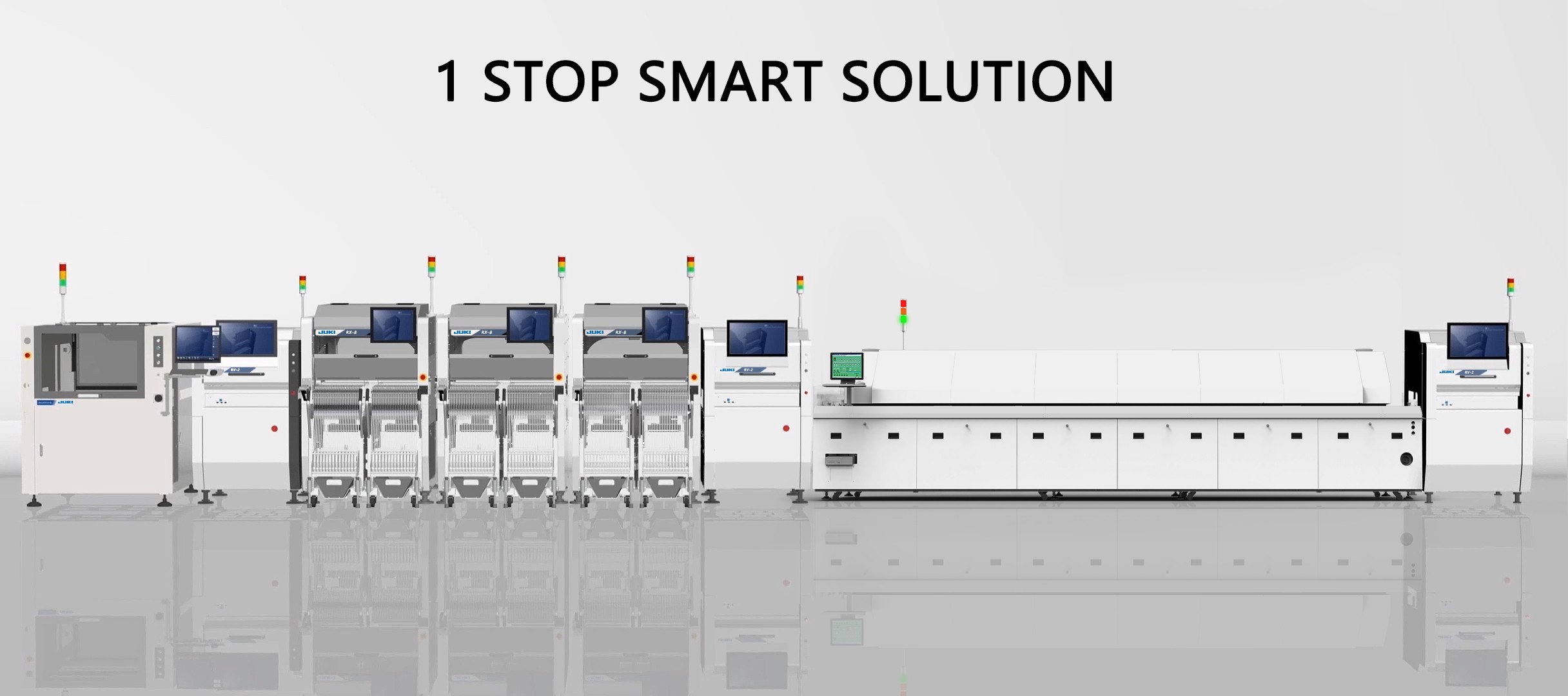
Automated Optical Inspection (AOI) has revolutionized the way we ensure quality in electronics manufacturing, particularly in surface mount technology (SMT). An AOI machine for PCB is designed to detect defects on printed circuit boards by using high-resolution cameras and sophisticated algorithms. This process not only enhances the accuracy of inspections but also significantly reduces the time required for quality control, making it an essential tool in modern manufacturing.
What is an AOI machine for PCB?
An AOI machine for PCB is a specialized device that inspects printed circuit boards during various stages of production. It employs advanced imaging technology to capture detailed images of the PCBs and analyzes these images for any discrepancies against predefined specifications. By automating this inspection process, manufacturers can catch defects early, ensuring that only high-quality products reach consumers.
The core components of an AOI machine include high-resolution cameras, illumination systems, and software capable of processing vast amounts of data quickly. These machines can identify issues such as misaligned components, soldering defects, and even missing parts—problems that might be overlooked by human inspectors. In short, investing in an AOI SMT machine means investing in precision and reliability.
How AOI works in the SMT process
In the SMT process, an AOI inspector plays a crucial role by integrating seamlessly into the production line. Once a PCB has been assembled with components placed on it through pick-and-place machines like JUKI systems, it moves to the AOI station for inspection. The AOI machine captures images from multiple angles and compares them against a reference model to identify any anomalies.
The operation begins with image acquisition; as the board passes through the inspection area, high-speed cameras take snapshots at lightning speed. The software then processes these images using complex algorithms that assess component placement accuracy and solder joint integrity. If any defects are detected—be it a misplaced capacitor or insufficient solder—the system alerts operators immediately so corrective actions can be taken without delay.
Importance of real-time defect detection
Real-time defect detection is one of the standout features that make Automated Optical Inspection indispensable in electronics manufacturing today. With traditional methods relying heavily on manual inspections after assembly or during batch testing phases, errors can easily slip through unnoticed until much later in production—or worse yet—after products have been shipped to customers. An AOI smt machine eliminates this risk by providing instant feedback on quality issues.
This immediate insight allows manufacturers to address problems proactively rather than reactively; adjustments can be made on-the-fly during production runs instead of waiting until product completion or shipment stages when issues may become costlier to rectify. Moreover, real-time data collected from these inspections helps establish trends over time that inform better design practices and manufacturing processes moving forward.
In summary, incorporating an AOI inspector into your SMT workflow not only enhances product quality but also streamlines operations overall—leading to higher efficiency rates and reduced costs associated with rework or returns due to faulty products.
Types of AOI Machines
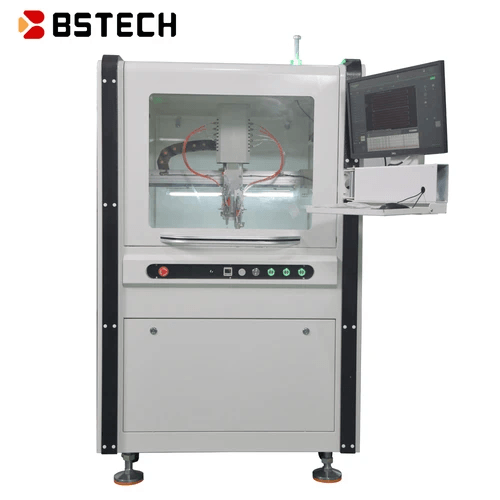
Automated Optical Inspection (AOI) machines play a pivotal role in ensuring the quality of printed circuit boards (PCBs) in electronics manufacturing. Understanding the different types of AOI machines is crucial for selecting the right one for specific applications. This section will delve into inline and offline systems, their features, and how they compare across various use cases.
Differences between inline and offline AOI systems
When it comes to AOI machines, one of the primary distinctions is between inline and offline systems. Inline AOI machines are integrated directly into the production line, allowing for real-time inspection as PCBs move through manufacturing processes. In contrast, offline AOI machines function independently; they require operators to remove boards from the production line for inspection, which can introduce delays but offers greater flexibility in testing complex designs.
Inline systems are designed for high-speed environments where efficiency is paramount; they can catch defects immediately after placement or soldering. However, offline AOI inspectors may provide more detailed analysis since they allow for more extensive programming and setup before inspection begins. Ultimately, the choice between these two types hinges on your production needs—speed versus depth of analysis.
Features of leading AOI machines
Leading AOI machines come equipped with an array of features that enhance their effectiveness in detecting defects on PCBs. High-resolution cameras are a staple in these devices; they enable precise imaging necessary for identifying even minute discrepancies on complex circuit boards. Additionally, advanced software algorithms help analyze images quickly and accurately, ensuring that any issues are flagged without delay.
Another feature worth noting is user-friendly interfaces that simplify operation for technicians and operators alike—no one wants to wrestle with complicated controls during a critical inspection phase! Many modern AOI systems also offer customizable settings tailored to specific PCB designs or production requirements; this adaptability makes them invaluable tools across various electronics manufacturing environments.
Comparing AOI machines for various applications
When it comes to comparing different models of AOI machines, it's essential to consider their application suitability based on specific manufacturing needs. For instance, an aoi smt machine designed primarily for high-volume productions might excel at speed but may lack some advanced defect detection capabilities found in niche models tailored for intricate assemblies like flex PCBs or multilayer boards.
Moreover, industries such as automotive or medical electronics often demand higher standards due to stringent regulations; hence their choice of an Automated Optical Inspection (AOI) machine must prioritize precision over sheer speed. By examining factors like throughput rates, defect detection accuracy, and compatibility with existing equipment like JUKI pick-and-place machines, manufacturers can make informed decisions that align with their operational goals.
Bensun Technology's Contribution
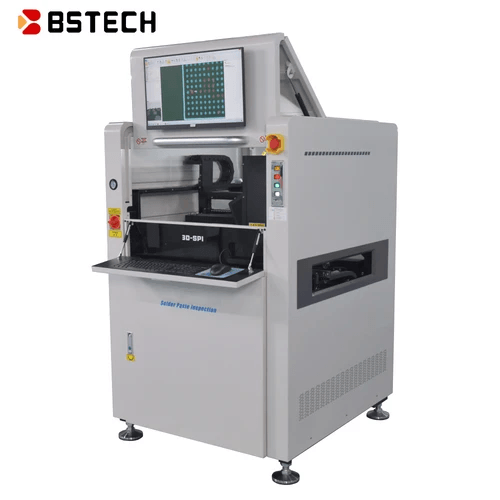
When it comes to the world of Automated Optical Inspection (AOI), Bensun Technology stands out as a key player. Their innovative solutions are tailored specifically for the needs of electronics manufacturers, ensuring high-quality production standards. With a focus on integrating advanced technology into their AOI machines for PCB, Bensun is redefining quality control in surface mount technology (SMT).
Overview of Bensun's AOI solutions
Bensun's AOI solutions are designed to provide unparalleled accuracy and efficiency in the inspection process. These AOI SMT machines utilize state-of-the-art imaging technology to detect defects that may go unnoticed by the human eye. By employing advanced algorithms, each machine is capable of analyzing complex PCB layouts, which significantly enhances overall production quality.
The versatility of Bensun’s AOI machines makes them suitable for various applications across different industries. They offer customizable features that allow manufacturers to tailor inspections according to specific needs and standards. This adaptability not only streamlines production but also ensures compliance with industry regulations, further solidifying Bensun's reputation in the market.
Integration of AOI with JUKI pick and place machines
One of the standout features of Bensun’s offerings is their seamless integration with JUKI pick and place machines. This synergy allows for a more cohesive manufacturing process where real-time feedback from the AOI inspector can instantly influence placement accuracy and reduce errors during assembly. The combination creates an efficient workflow that minimizes downtime while maximizing productivity.
By integrating these systems, manufacturers can achieve a higher level of precision in their operations, which is essential in today’s competitive landscape. The ability to conduct inspections inline means that any defects can be caught early, preventing costly rework or product recalls later on. This integration showcases how automated optical inspection can enhance not just quality control but also overall operational efficiency.
Benefits of using Bensun's visual inspection machines
Using Bensun’s visual inspection machines comes with a plethora of benefits that elevate manufacturing processes to new heights. First and foremost, these AOI SMT machines drastically reduce human error by automating critical inspection tasks that were once prone to oversight by manual inspectors. The result? A significant boost in reliability and consistency across production runs.
Moreover, adopting an Automated Optical Inspection (AOI) system from Bensun translates into faster turnaround times without compromising quality standards. Manufacturers can quickly identify issues before they escalate into larger problems, allowing them to maintain tight schedules and meet customer demands effectively. In essence, investing in these cutting-edge solutions not only improves product quality but also enhances overall operational agility.
The Impact of AOI Inspectors on Quality
Automated Optical Inspection (AOI) inspectors play a crucial role in enhancing the quality of electronics manufacturing, particularly in Surface Mount Technology (SMT). By integrating AOI machines for PCB, manufacturers can streamline production processes, reduce defects, and ensure that each component meets stringent quality standards. The efficiency brought by AOI inspectors not only accelerates production timelines but also elevates the overall reliability of electronic products.
How AOI inspectors streamline production
AOI inspectors significantly streamline production by automating the inspection process, which is often labor-intensive and prone to errors when done manually. With an aoi smt machine in place, manufacturers can quickly identify defects such as misalignments or soldering issues as soon as they occur. This immediate feedback loop allows for rapid adjustments in the assembly line, reducing downtime and ensuring a smoother workflow.
Moreover, the integration of AOI machines for PCB inspection into existing SMT processes means that inspections can occur inline without interrupting production flow. This seamless integration leads to increased throughput while maintaining high-quality standards. Ultimately, AOI inspectors contribute to faster turnaround times and improved operational efficiency across manufacturing lines.
Reducing human error with automated solutions
One of the standout advantages of employing an AOI inspector is its ability to drastically reduce human error associated with manual inspections. While skilled operators are invaluable, fatigue and oversight can lead to mistakes that compromise product quality—something an aoi smt machine is designed to mitigate effectively. Automated optical inspection systems use advanced imaging technology to detect even the slightest deviations from expected standards with precision that far surpasses human capabilities.
By minimizing reliance on manual checks through automated solutions like AOI machines for PCB inspections, companies not only enhance accuracy but also foster a culture of continuous improvement within their operations. This shift allows human resources to focus on higher-level tasks while leaving routine inspections to machines designed specifically for that purpose. In essence, incorporating AOI inspectors into the workflow transforms quality control from a reactive process into a proactive strategy.
Real-world examples of increased efficiency
Numerous case studies illustrate how deploying an automated optical inspection system has led to remarkable improvements in manufacturing efficiency across various industries. For instance, one electronics manufacturer reported a 30% reduction in defect rates after implementing an aoi smt machine into their SMT line—a change attributed directly to enhanced real-time defect detection capabilities provided by their new AOI inspector setup.
Similarly, another company noted that integrating an AOI machine for PCB inspection resulted in quicker identification and rectification of assembly errors—leading not only to fewer product returns but also significant cost savings over time due to reduced rework expenses. These real-world examples underscore how embracing automated solutions like AOI can create tangible benefits in terms of both productivity and product quality.
Future Trends in AOI and SMT
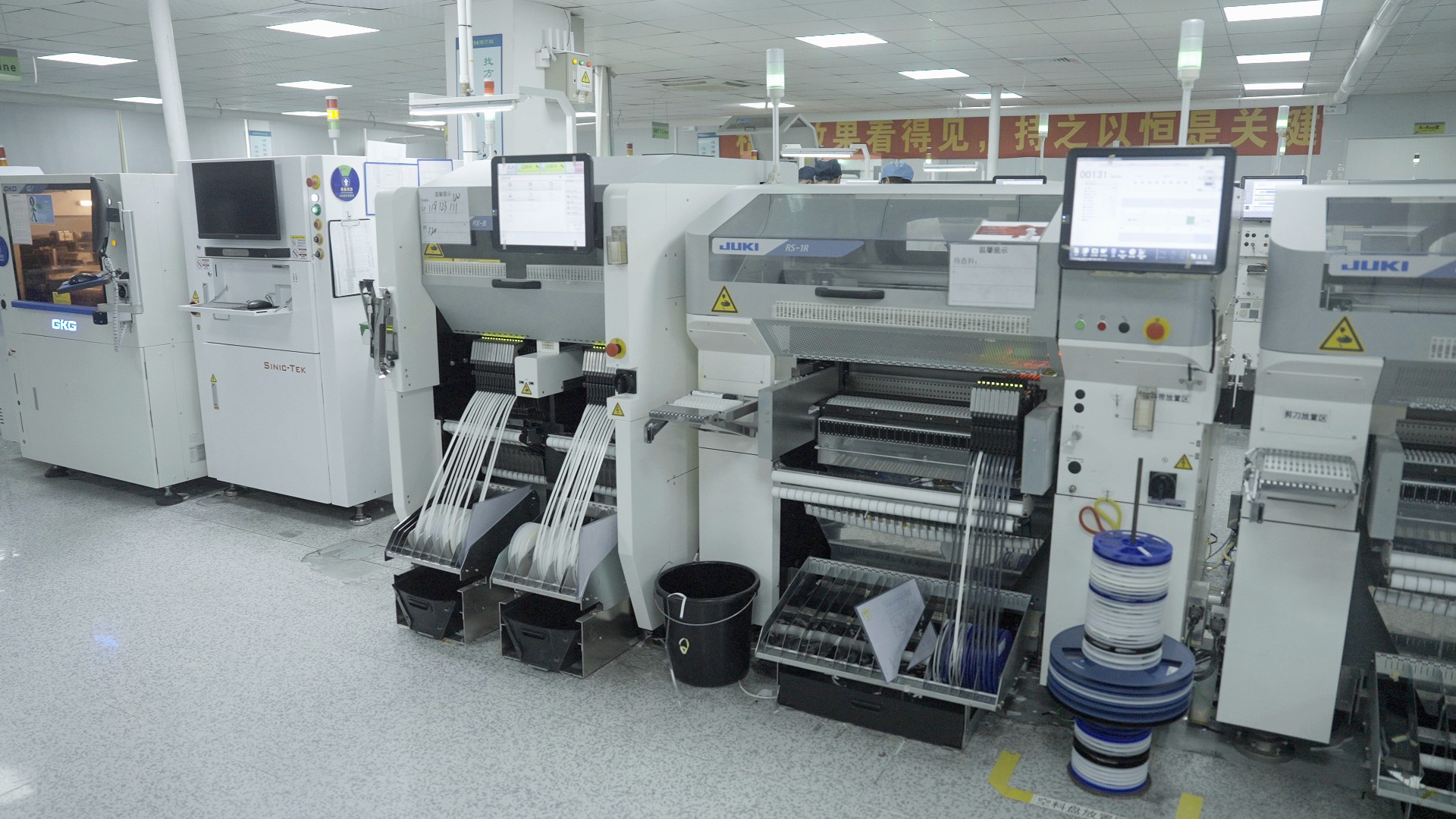
The world of Automated Optical Inspection (AOI) is evolving rapidly, driven by technological advancements and the increasing demand for quality in electronics manufacturing. As industries continue to embrace automation, the role of AOI machines for PCB is becoming more crucial than ever. This section explores the innovations shaping AOI technology, the integration of AI and machine learning into inspection processes, and predictions for future SMT environments.
Innovations in AOI technology
Recent innovations in AOI technology are pushing boundaries and redefining how we approach quality control in electronics manufacturing. Modern AOI machines are equipped with high-resolution cameras and advanced imaging algorithms that enhance defect detection capabilities significantly. Furthermore, these aoi smt machines now feature real-time analytics that provide immediate feedback to operators, allowing for swift corrective actions during production.
Another exciting development is the miniaturization of AOI systems, making them more accessible for small to medium-sized enterprises looking to implement automated optical inspection without breaking the bank. With compact designs, these machines can easily be integrated into existing production lines without requiring extensive modifications. The emphasis on user-friendly interfaces also means that even those new to PCB manufacturing can operate these sophisticated aoi smt machines with minimal training.
Lastly, manufacturers are increasingly incorporating modular designs into their AOI solutions, enabling customization based on specific production needs. This flexibility allows companies to adapt their inspection processes as they scale or pivot their product offerings while maintaining high standards of quality control throughout their operations.
The rise of AI and machine learning in inspection
The integration of artificial intelligence (AI) and machine learning into automated optical inspection is revolutionizing how defects are identified and addressed within SMT processes. By utilizing vast amounts of data collected from previous inspections, AI algorithms can learn patterns associated with defects more effectively than traditional methods ever could. This capability not only enhances accuracy but also reduces false positives—ensuring that operators focus on genuine issues rather than being distracted by non-issues flagged by less sophisticated systems.
Moreover, an AI-driven aoi smt machine can continuously improve its performance over time through self-learning mechanisms, adapting to new challenges as they arise in real-time production environments. This adaptability is particularly important given the increasing complexity of modern PCBs where traditional detection methods may struggle to keep pace with evolving design intricacies.
As these technologies mature, we can expect a future where human intervention becomes less critical during the inspection phase—freeing up skilled workers for other tasks within the manufacturing process while still ensuring top-notch quality control through reliable automated systems like an aoi machine for PCB.
Predictions for the future of SMT environments
Looking ahead, several predictions emerge regarding how automated optical inspection will shape SMT environments over the next decade or so. One significant trend will likely be increased collaboration between different automation technologies—such as robotics working alongside advanced AOI inspectors—to create fully integrated smart factories capable of optimizing every aspect of production seamlessly.
Additionally, we anticipate further advancements in connectivity through Industry 4.0 principles; this means that data generated from various stages—including those captured by aoi smt machines—will be analyzed collectively across platforms using cloud computing solutions for enhanced decision-making capabilities at all levels within organizations.
Finally, as sustainability becomes an essential consideration across industries globally, we expect future generations of AOI technology will prioritize energy efficiency alongside performance improvements—a win-win scenario! By reducing waste generated during inspections while maintaining rigorous standards via automated optical inspection (AOI), manufacturers can contribute positively towards environmental stewardship while still achieving operational excellence.
Conclusion
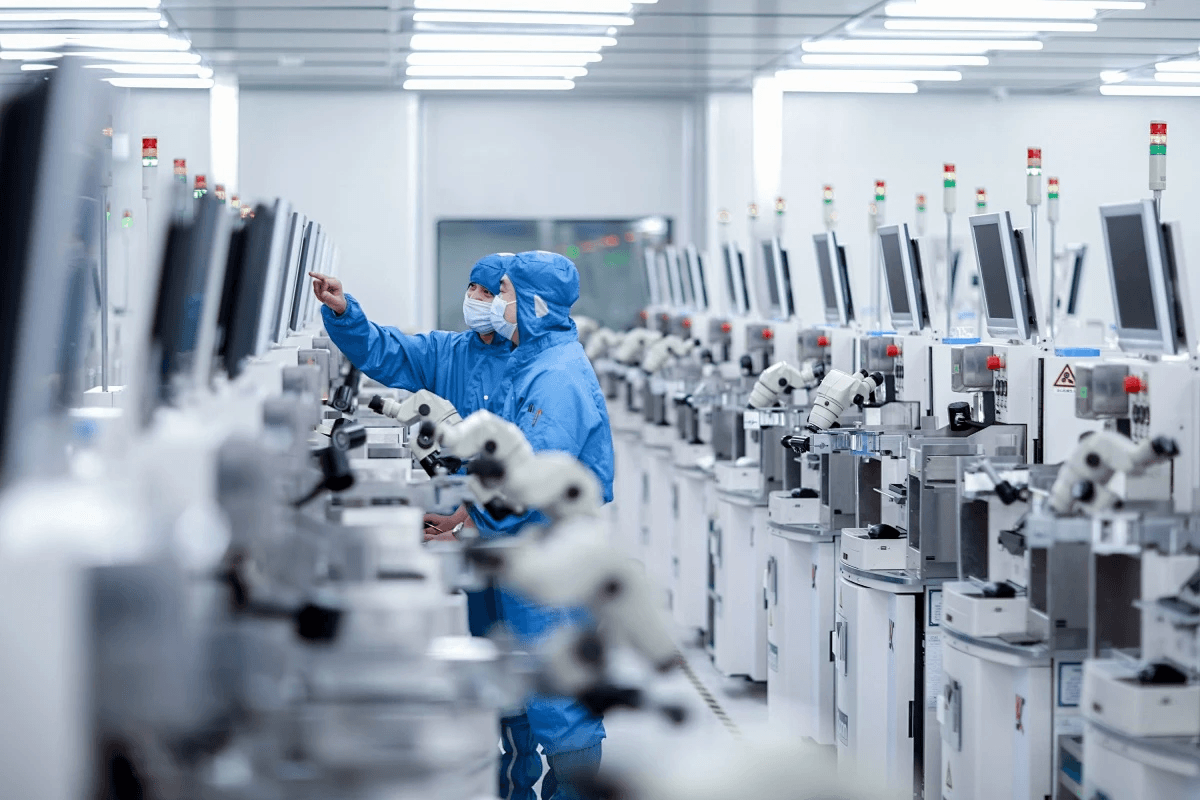
In the fast-paced world of electronics manufacturing, enhancing production efficiency with Automated Optical Inspection (AOI) technology has become indispensable. The integration of AOI machines for PCB inspection ensures that manufacturers can maintain high standards while minimizing defects. By automating the inspection process, companies can significantly reduce downtime and increase output, proving that an AOI SMT machine is not just a luxury—it's a necessity.
Enhancing Production Efficiency with AOI
Automated Optical Inspection (AOI) systems revolutionize how we approach quality control in surface mount technology (SMT). With real-time defect detection, an AOI inspector can identify issues before they escalate into costly problems, ensuring that production lines run smoothly. By employing an AOI machine for PCB inspection, manufacturers can streamline their operations and focus on what truly matters: delivering top-notch products to their customers.
The Evolution of Quality Control Methods
Quality control methods have come a long way from manual inspections to sophisticated automated solutions like the AOI SMT machine. The shift towards automation reflects the industry's need for speed and precision, allowing for more consistent quality checks without the pitfalls of human error. As we embrace these advancements, it's clear that Automated Optical Inspection is at the forefront of this evolution, setting new benchmarks in quality assurance.
Choosing the Right AOI Machine for Your Needs
Selecting the right AOI machine for PCB inspection requires careful consideration of your specific manufacturing needs and goals. Factors such as production volume, types of defects typically encountered, and integration capabilities with existing equipment must all be evaluated to ensure optimal performance from your AOI inspector. Investing in a suitable Automated Optical Inspection system will not only enhance product quality but also contribute to long-term operational success.