
Introduction
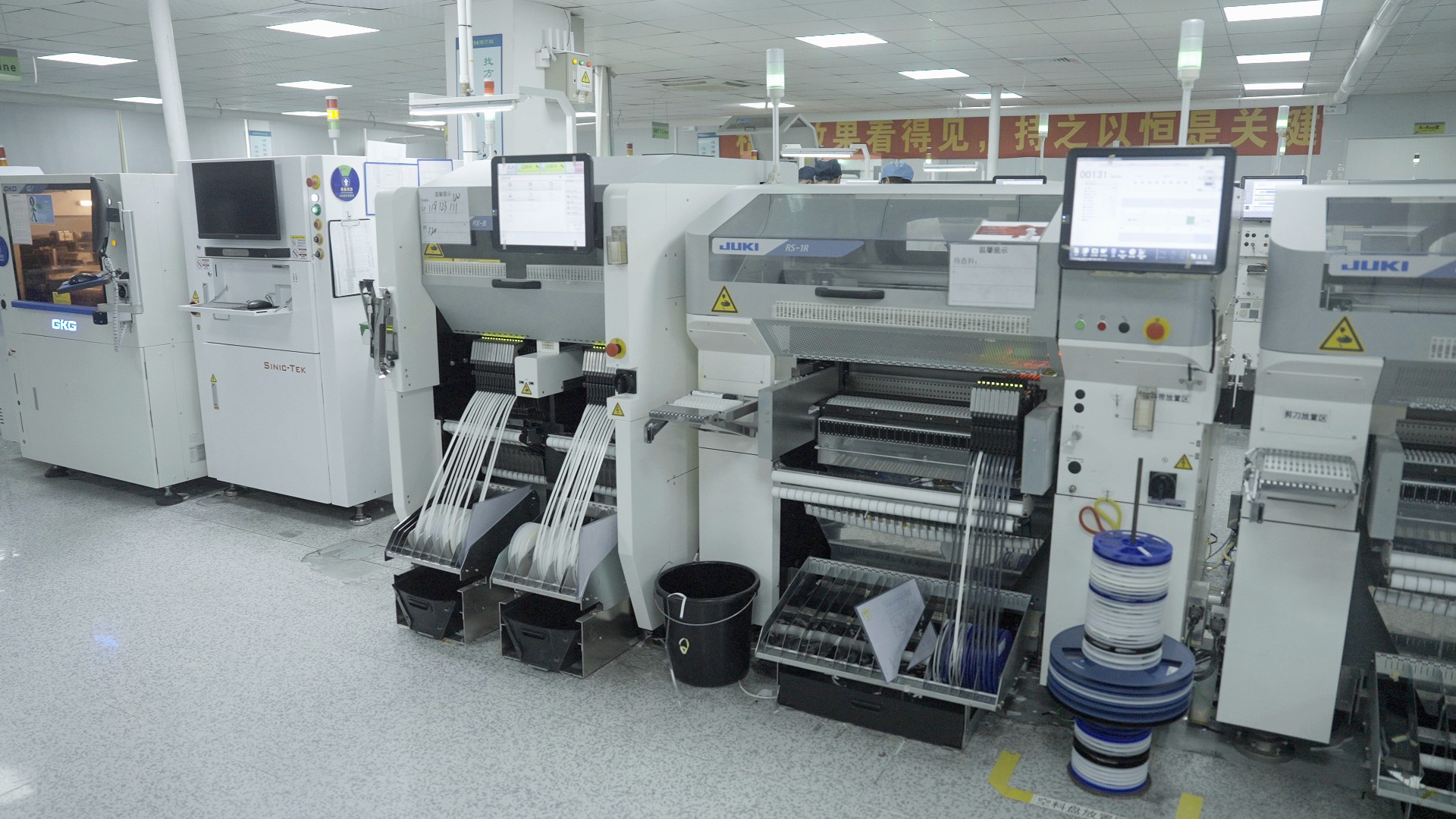
In the fast-paced world of electronics manufacturing, the significance of SMT dip PCB conveyors cannot be overstated. These specialized conveyor belt conveyors are essential for efficiently transporting printed circuit boards (PCBs) through various stages of assembly, particularly in the soldering process. By streamlining operations and enhancing productivity, dip line conveyors play a crucial role in modern assembly lines, making them indispensable for any serious manufacturer.
Importance of SMT Dip PCB Conveyors
The efficiency of an SMT production line heavily relies on its ability to seamlessly integrate various processes, and dip line conveyors are at the forefront of this integration. These systems not only facilitate the movement of PCBs from one machine to another but also ensure that each board is handled with care during critical processes like reflow soldering and coating. With a focus on precision and speed, these transfer conveyors contribute significantly to reducing production times while maintaining high-quality standards.
Overview of Bensun Technology Co., Ltd.
Bensun Technology Co., Ltd. stands out as a leader in providing cutting-edge solutions for PCB assembly lines, particularly through their range of advanced dip line conveyors and other essential equipment. With a commitment to innovation and quality, Bensun offers a variety of products that cater to diverse manufacturing needs, including reflow ovens designed for optimal temperature control during soldering processes. Their expertise in machine parts ensures that customers receive reliable equipment tailored to enhance productivity in SMT applications.
Why Choose Online Manufacturing
In today's digital age, choosing online manufacturing has become an attractive option for companies looking to streamline their procurement process while accessing a wider selection of products. Online platforms offer comprehensive catalogs featuring everything from conveyor belt conveyors to sophisticated reflow soldering machines, enabling manufacturers to find exactly what they need with ease. Furthermore, online manufacturing often provides enhanced customer support and lifecycle management services that ensure clients receive ongoing assistance throughout their equipment's lifespan.
What is a Dip Line Conveyor?

Dip line conveyors play a crucial role in the world of PCB assembly, particularly when it comes to enhancing the efficiency of soldering processes. These specialized conveyor systems are designed to transport printed circuit boards (PCBs) through various stages of assembly, including critical reflow soldering operations. By ensuring seamless movement from one machine to another, dip line conveyors optimize production workflows and minimize downtime.
Definition and Functionality
A dip line conveyor is essentially a sophisticated conveyor belt conveyor that facilitates the movement of PCBs through different processing stages, such as soldering and inspection. Its primary function is to ensure that each PCB is exposed to the necessary processes without interruptions, making it an indispensable part of any SMT (Surface Mount Technology) setup. The functionality extends beyond mere transportation; it integrates with other machines like soldering machines and reflow ovens, ensuring that each board receives uniform treatment throughout its journey.
Components of a Dip Line Conveyor
The construction of a dip line conveyor includes several key components that work together to ensure smooth operation. At its core, you will find durable conveyor belts designed for high-speed transport, along with guiding rails that keep PCBs aligned during transit. Additional features may include adjustable speed controls, sensors for detecting board presence, and integration points for connecting with other machinery such as transfer conveyors or reflow ovens—all essential for maintaining optimal workflow in an assy PCB environment.
Advantages in PCB Assembly
The advantages of using a dip line conveyor in PCB assembly are manifold and can significantly enhance production efficiency. Firstly, these conveyors streamline the process by reducing manual handling—this not only speeds up operations but also minimizes the risk of damage during transitions between machines like soldering machines and reflow ovens. Secondly, their design allows for better temperature control during critical processes like reflow soldering, ensuring that every component is perfectly soldered for maximum reliability in electronic applications.
The Role of Conveyor Belt Conveyor in SMT
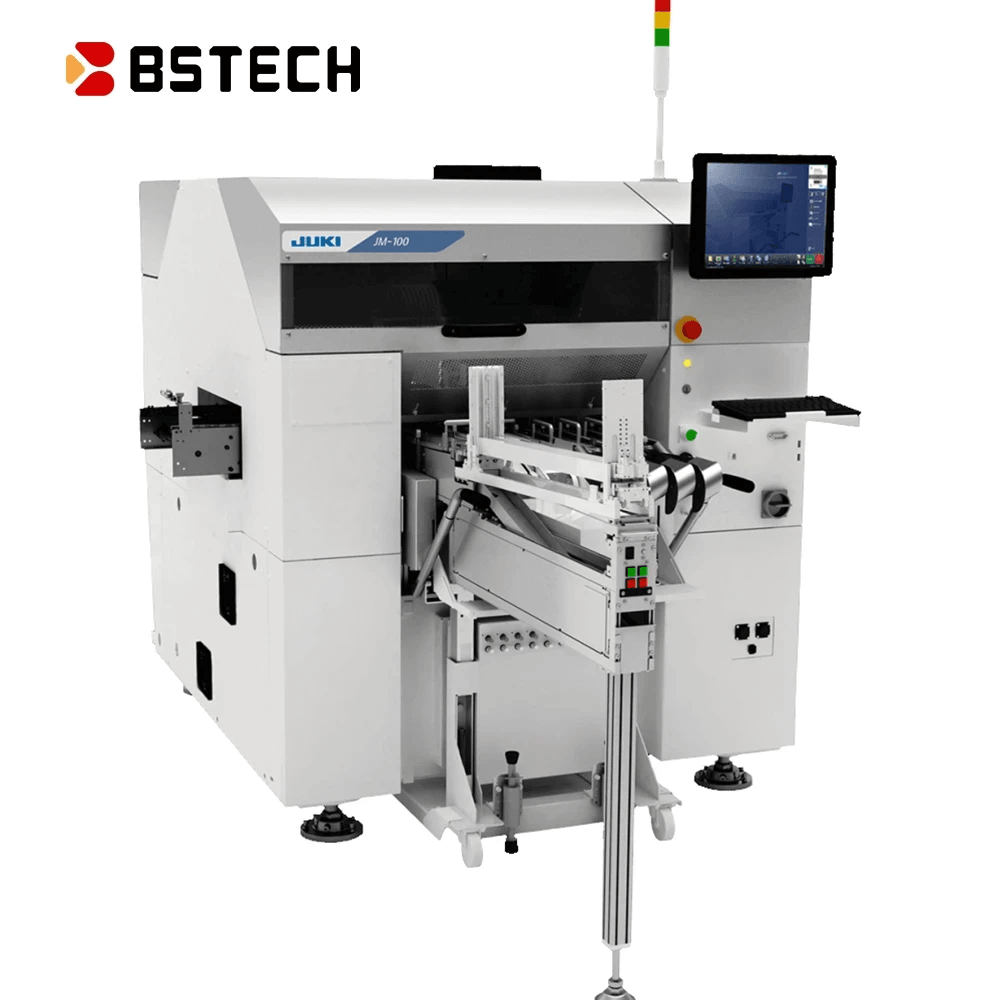
In the world of Surface Mount Technology (SMT), conveyor belt conveyors play a pivotal role, particularly in the assembly and soldering processes. These systems are designed to transport printed circuit boards (PCBs) seamlessly through various stages of production, including critical phases like reflow soldering. By integrating dip line conveyors with soldering machines, manufacturers can ensure that their assembly lines operate smoothly and efficiently.
Integration with Soldering Machines
The integration of conveyor belt conveyors with soldering machines is essential for achieving high-quality PCB assembly. Dip line conveyors facilitate the movement of PCBs between different machines, ensuring that each board receives the necessary treatment without delays. This seamless connection not only enhances productivity but also minimizes the risk of defects during the reflow process.
Moreover, by utilizing transfer conveyors alongside reflow ovens, manufacturers can optimize their workflow significantly. The synchronized operation between these components allows for precise control over temperature and timing—critical factors in successful soldering. This integration ultimately leads to superior quality control and a reduction in machine parts wear and tear.
Enhancing Efficiency in Production
Efficiency is the name of the game in any manufacturing environment, especially when it comes to SMT processes involving dip line conveyors. By streamlining operations through effective conveyor systems, manufacturers can reduce cycle times while increasing output rates dramatically. The ability to transport multiple PCBs simultaneously means that production lines can maintain a steady pace without interruptions.
Furthermore, using conveyor belt conveyors helps minimize manual handling, which often leads to errors or damage during assembly processes like those involving assy PCB steps. Automation through these systems not only enhances safety but also allows skilled workers to focus on more complex tasks that require human intervention. As a result, companies can achieve higher productivity levels without compromising quality.
Compatibility with Assy PCB Processes
The compatibility of conveyor belt systems with various assy PCB processes is another significant advantage worth noting. Whether it's transporting boards from one station to another or connecting different machinery like reflow ovens and inspection units, these conveyors are designed for versatility and adaptability. This flexibility ensures that manufacturers can tailor their production lines according to specific needs or product variations.
Additionally, modern transfer conveyors are engineered to handle diverse types of PCBs—ranging from simple designs to complex multi-layered configurations—without skipping a beat during production runs. This capability makes them indispensable tools in any SMT setup focused on efficiency and quality assurance across all stages of PCB assembly and soldering processes. Ultimately, choosing the right conveyor system can make all the difference between a smooth-running operation and one fraught with delays or defects.
Selecting the Right Conveyor for Your Needs
Choosing the right conveyor for your PCB assembly line is crucial to ensure efficiency and productivity. With a variety of options available, including dip line conveyors and transfer conveyors, understanding your specific requirements can make all the difference. This section will guide you through key features to consider, introduce Bensun's range of products, and provide tips on assessing machine parts quality.
Key Features to Consider
When selecting a dip line conveyor or any conveyor belt conveyor for your SMT processes, several key features should be top of mind. First, consider the speed and capacity of the conveyor; it should align with your production needs while ensuring smooth handling of components like assy PCBs. Additionally, look for features such as adjustable height, modular design for easy integration with soldering machines, and robust construction materials that promise durability in a demanding environment.
Another critical factor to evaluate is compatibility with reflow soldering systems. A well-designed transfer conveyor will seamlessly integrate into existing setups without causing bottlenecks in production flow. Lastly, don’t overlook the importance of user-friendly controls; operators should be able to adjust settings easily without extensive training.
Bensun's Range of Transfer Conveyors
Bensun Technology Co., Ltd. offers an impressive range of transfer conveyors designed specifically for SMT applications. Their dip line conveyors are engineered with precision to accommodate various PCB sizes and types while maintaining optimal performance during the assembly process. Each model is tailored to enhance workflow integration with soldering machines and reflow ovens.
Moreover, Bensun’s commitment to innovation means their transfer conveyors come equipped with advanced features such as real-time monitoring systems that help maintain operational efficiency. Whether you're looking for a compact solution or a more extensive setup capable of handling high volumes, Bensun has options that cater to diverse manufacturing needs.
Bensun also emphasizes customization; businesses can work closely with their team to develop solutions that fit unique production lines perfectly—a significant advantage in today’s fast-paced manufacturing landscape.
How to Assess Machine Parts Quality
Assessing machine parts quality is essential when investing in equipment like dip line conveyors or any other type of conveyor belt conveyor used in PCB assembly lines. Start by checking material specifications; high-quality components made from durable materials will ensure longevity and reliability during operations involving soldering machines or reflow soldering processes.
Next, examine the manufacturer's reputation—companies like Bensun are known for their rigorous quality control measures and adherence to industry standards. Look at customer reviews and testimonials; feedback from other users can provide insight into how well these machine parts perform under real-world conditions.
Finally, don't hesitate to ask about warranties or guarantees offered by manufacturers on their products—this can be an indicator of confidence in their machine parts' quality and durability over time.
Innovations in Reflow Soldering Technology

The world of reflow soldering technology has seen remarkable advancements, particularly with the integration of innovative reflow ovens that streamline the PCB assembly process. These ovens are essential for ensuring that solder paste melts and solidifies properly, creating reliable electrical connections on the assy PCB. As manufacturers strive for efficiency, understanding these innovations becomes crucial for optimizing production lines equipped with dip line conveyors and conveyor belt conveyors.
Overview of Reflow Ovens
Reflow ovens are sophisticated machines designed to heat printed circuit boards (PCBs) in a precise manner, allowing solder paste to melt and bond components securely. They typically employ a conveyor system that transports the PCBs through various heating zones, ensuring uniform temperature distribution across all parts of the assembly. The integration of advanced technologies in these ovens has made them indispensable for modern SMT lines, where speed and quality are paramount.
The Importance of Temperature Control
Temperature control is critical in reflow soldering as it directly affects the quality of solder joints formed during the process. Inadequate temperature regulation can lead to cold solder joints or even damage sensitive electronic components on an assy PCB. Advanced reflow ovens from Bensun utilize precise temperature profiling and monitoring systems to ensure optimal heating cycles, significantly improving reliability when paired with dip line conveyors and transfer conveyors.
Bensun's Advanced Reflow Solutions
Bensun Technology Co., Ltd. offers cutting-edge reflow solutions that cater to diverse manufacturing needs while prioritizing efficiency and quality control. Their state-of-the-art reflow ovens feature innovative designs that enhance compatibility with various conveyor belt conveyors and soldering machines used in SMT processes. By focusing on machine parts quality and superior thermal management systems, Bensun ensures their products not only meet but exceed industry standards for reflow soldering technology.
The Benefits of Online Manufacturing for SMT Equipment
In today's fast-paced electronics landscape, online manufacturing is revolutionizing how businesses procure SMT equipment. This shift not only simplifies the purchasing process but also enhances accessibility to a vast range of products tailored for specific needs like dip line conveyors and conveyor belt conveyors. With the ability to browse, compare, and order equipment with just a few clicks, manufacturers can focus more on innovation and less on logistics.
Streamlined Buying Process
Gone are the days when sourcing machine parts meant endless phone calls and faxes. Online manufacturing provides an efficient platform where customers can easily navigate through various options, including transfer conveyors and soldering machines, all in one place. This streamlined buying process saves time and reduces the chances of miscommunication that often occurs in traditional purchasing methods.
Additionally, many online platforms offer detailed specifications and user reviews for each product, allowing buyers to make informed decisions quickly. Whether you’re looking for a reflow oven or specific components for your assembly PCB processes, the information is readily available at your fingertips. Ultimately, this convenience translates into faster project timelines and increased productivity.
Access to a Wide Range of Products
One of the standout advantages of online manufacturing is access to an extensive catalog of products that may not be available locally. From advanced dip line conveyors designed for high-volume production to specialized reflow soldering equipment that ensures quality solder joints, manufacturers have countless options at their disposal. This diversity allows companies to find exactly what they need without compromising on quality or performance.
Moreover, having access to various suppliers means competitive pricing can be leveraged effectively—helping businesses stay within budget while still acquiring top-notch machinery like conveyor belt conveyors or transfer conveyors suited for their unique assembly PCB needs. The ability to compare features side-by-side ensures that buyers can select machines that perfectly match their operational requirements.
Customer Support and Lifecycle Management
Online manufacturing platforms typically come equipped with robust customer support services designed to assist throughout every stage of the buying process—and beyond! Whether you have questions about machine parts compatibility or need guidance on integrating your new reflow oven into existing workflows, knowledgeable support teams are just a message away. This level of service fosters confidence in purchasing decisions as customers know assistance is readily available when needed.
Furthermore, lifecycle management becomes more manageable with online resources that provide insights into maintenance schedules and performance monitoring tools tailored specifically for SMT equipment users. As technology evolves rapidly in this field—especially concerning innovations in reflow soldering—having reliable customer support ensures companies remain competitive by keeping their machinery up-to-date with industry standards.
In conclusion, embracing online manufacturing not only streamlines procurement but also enhances product accessibility while providing essential customer support throughout the lifecycle of SMT equipment like dip line conveyors and other key components necessary for efficient production processes.
Conclusion
In the fast-paced world of PCB assembly, maximizing efficiency is paramount, and dip line conveyors are at the forefront of this evolution. These systems not only streamline the manufacturing process but also enhance the integration of various components like soldering machines and reflow ovens. Investing in a high-quality conveyor belt conveyor can significantly reduce downtime and improve productivity in your production line.
Maximizing Efficiency with Dip Line Conveyors
Dip line conveyors are essential for ensuring that each assy PCB is processed efficiently through various stages of assembly. By facilitating smooth transitions between different machinery, such as soldering machines and transfer conveyors, these systems minimize bottlenecks that can slow down production. Moreover, their design allows for optimal temperature control during reflow soldering processes, ensuring that every board meets quality standards without compromising speed.
Bensun’s Commitment to Quality and Service
Bensun Technology Co., Ltd. stands out in the industry due to its unwavering commitment to quality and service when it comes to dip line conveyors and other SMT equipment. Each machine part undergoes rigorous testing to ensure durability and reliability, providing customers with peace of mind during their manufacturing processes. Additionally, Bensun offers comprehensive customer support, making it easier for businesses to integrate new technologies seamlessly into their operations.
Future Trends in SMT Manufacturing
As technology continues to evolve, future trends in SMT manufacturing will likely emphasize automation and smart manufacturing solutions that further enhance efficiency. Innovations such as advanced reflow ovens equipped with AI-driven temperature controls will play a significant role in optimizing the reflow soldering process for greater precision and reliability. Staying ahead means adopting these cutting-edge technologies while leveraging effective tools like dip line conveyors to create a fully integrated assembly line.