
Introduction
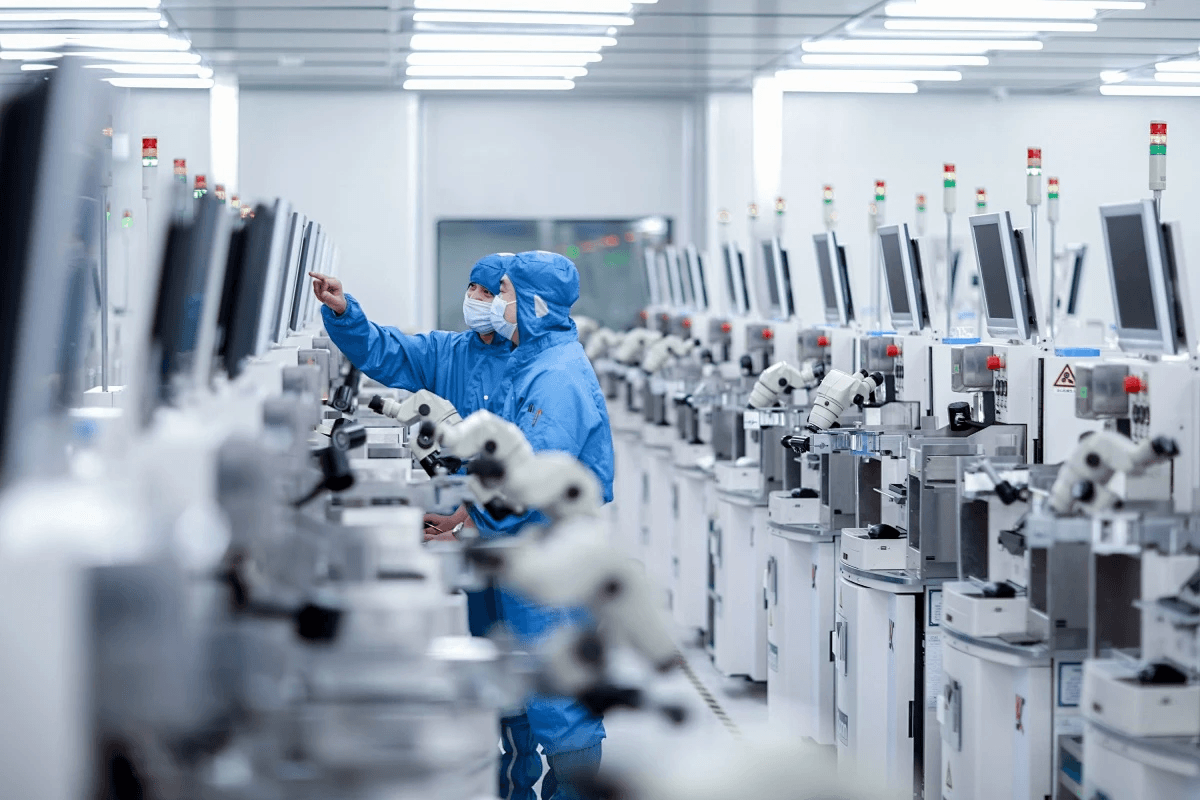
In the fast-paced world of SMT manufacturing, the universal pick and place machine has become an indispensable tool for assembling electronic components with speed and precision. These machines automate the process of placing components onto printed circuit boards (PCBs), ensuring that production lines run smoothly and efficiently. Understanding how these machines work and their key features is essential for anyone involved in SMT equipment selection or maintenance.
Understanding Pick and Place Machines
A pick and place machine, often referred to as a pick & place machine, is crucial in modern electronics assembly. It utilizes advanced technology to accurately position various electronic components on PCBs, reducing human error while increasing throughput. By grasping the fundamentals of how an SMT pick & place machine operates, manufacturers can optimize their production processes and enhance overall quality.
Importance of a Comprehensive Checklist
Having a comprehensive checklist for inspecting your SMT pick and place machine is vital for maintaining its performance over time. Regular inspections help identify potential issues before they escalate into costly repairs or downtime, ensuring that your production line remains efficient. A well-structured checklist not only covers essential components but also promotes best practices in maintenance, ultimately prolonging the lifespan of your universal pick and place machine.
How This Guide Can Help You
This guide serves as a roadmap for understanding the intricacies of universal pick and place machines within the context of SMT manufacturing. From identifying key features to establishing maintenance best practices, it aims to equip you with practical knowledge that can enhance your operational efficiency. By following this guide, you’ll be better prepared to choose the right equipment for your needs while maximizing productivity in your assembly processes.
Key Features of Universal Pick and Place Machines

Universal pick and place machines are the backbone of modern SMT manufacturing, delivering a blend of speed, precision, and adaptability. These machines have revolutionized the way components are handled on production lines, allowing for increased throughput while maintaining high-quality standards. Understanding their key features is essential for anyone involved in SMT equipment selection or operation.
Speed and Efficiency
These machines can handle thousands of components per hour, dramatically reducing cycle times compared to manual assembly processes. The automation provided by an SMT pick & place machine not only accelerates production but also minimizes human error, ensuring that each component is placed accurately every time.
Moreover, advanced algorithms in modern pick and place machines optimize the placement sequence based on component size and type, further enhancing efficiency. This means less downtime between placements as the machine seamlessly transitions from one task to another. In a competitive market where time-to-market is crucial, investing in a high-speed pick & place machine can give manufacturers a significant edge.
Accuracy and Precision
Accuracy is non-negotiable in SMT manufacturing—one misaligned component can lead to costly defects down the line. Universal pick and place machines are engineered with cutting-edge technology that ensures each part is placed within microns of its intended position. This level of precision not only improves product quality but also reduces waste associated with rework or scrapped boards.
The integration of sophisticated vision systems allows these machines to identify components correctly before placing them onto PCBs (Printed Circuit Boards). This feature ensures that even when dealing with tiny components—like 0201s—the universal pick and place machine maintains its accuracy without breaking a sweat. Ultimately, choosing an accurate SMT pick & place machine means investing in reliability for your entire production process.
Versatility Across SMT Manufacturing
One of the standout features of modern universal pick and place machines is their versatility across various applications within SMT manufacturing. Whether you’re working with surface mount devices (SMDs), through-hole components, or even complex assemblies requiring multiple types of parts, these machines can adapt without needing extensive reconfiguration or downtime.
This versatility extends beyond just component types; many universal pick & place machines are compatible with a range of different feeders tailored for specific tasks or materials. As such, manufacturers can easily switch between different products or batches without major disruptions—a vital capability in today’s fast-paced production environments where flexibility is key to meeting customer demands.
In conclusion, when considering which SMT equipment will best serve your needs, understanding these key features helps ensure you choose wisely! A well-rounded universal pick and place machine offers unmatched speed, accuracy, precision—and adaptability—all critical factors for thriving in today’s competitive landscape.
Essential Components to Inspect

When it comes to maximizing the efficiency of your universal pick and place machine, understanding the essential components to inspect is crucial. Regular checks on these components not only ensure smooth operation but also enhance the overall performance of your SMT manufacturing process. Let’s dive into the key areas that require your attention.
Nozzles and Tooling
Nozzles are arguably one of the most critical components of a pick and place machine, as they directly affect how accurately components are picked and placed. Over time, nozzles can wear down or become clogged, leading to misplacements that can derail an entire production run in SMT manufacturing. Regular inspection and maintenance of tooling ensure that your SMT pick & place machine operates at peak efficiency, minimizing downtime and maximizing output.
Different types of nozzles cater to various component sizes and shapes, so it's essential to select the right tooling for your specific needs. If you’re using a universal pick and place machine, make sure you have a variety of nozzles on hand for different applications. Keeping these tools in top condition will not only improve accuracy but also extend the lifespan of your equipment.
Vision Systems and Cameras
The vision system in a pick & place machine is like its eyes—essential for ensuring precise placement of components on circuit boards. These systems utilize high-resolution cameras that capture images for alignment verification before placement occurs, making them indispensable in SMT manufacturing environments where accuracy is paramount. Regularly inspecting these cameras ensures they remain clean and calibrated, preventing any mishaps during production.
Advanced vision systems offer features like 3D inspection capabilities that can significantly enhance quality control processes within SMT equipment setups. If you notice any discrepancies in component placement or alignment during routine checks, it could be time to recalibrate or replace parts of your vision system. Remember, a well-functioning camera setup contributes significantly to the reliability of your universal pick and place machine.
Conveyor Systems
Conveyor systems play an integral role in transporting PCBs through various stages of assembly in an SMT pick & place machine setup. Any hiccup here can lead to delays or even damage to delicate components if they aren't moving smoothly along their path. Therefore, regular inspections should focus on checking belt tension, alignment, and cleanliness—anything less could spell disaster for efficiency.
Furthermore, conveyor speed settings should align with other machinery involved in the workflow; otherwise, you risk creating bottlenecks that impede productivity across your entire SMT manufacturing line. Don't forget about maintaining proper lubrication on moving parts; this simple step can prevent wear-and-tear issues down the line! By keeping conveyor systems running smoothly alongside other essential components like nozzles and vision systems, you'll be setting up your universal pick and place machine for long-term success.
Maintenance Best Practices

Maintaining your universal pick and place machine is crucial for ensuring optimal performance in SMT manufacturing. A well-maintained pick & place machine not only enhances efficiency but also prolongs the equipment's lifespan. Implementing a solid maintenance routine can save you from costly downtimes and repairs, making it essential for any SMT equipment user.
Routine Cleaning Techniques
Regular cleaning is key to keeping your SMT pick and place machine operating at peak performance. Dust, solder paste residues, and other contaminants can accumulate over time, affecting the accuracy of the machine's operations. Schedule routine cleanings, focusing on nozzles and tooling, as these components are critical for precision placement; a clean nozzle ensures that components are picked up accurately without any obstructions.
In addition to nozzles, pay attention to the vision systems and cameras used in your pick & place machine. These elements require special care to maintain their clarity and functionality; using appropriate cleaning solutions can help prevent image distortion during operation. Finally, don’t forget about conveyor systems—keeping them free of debris will ensure smooth transitions between processes in your SMT manufacturing line.
Calibration and Adjustments
Calibration is an essential part of maintaining a universal pick and place machine’s accuracy over time. Regularly check alignment settings to ensure that components are placed precisely where they need to be on the PCB. Adjustments may be required based on wear or changes in production requirements; therefore, having a clear calibration schedule helps avoid potential issues down the line.
Additionally, keep an eye on software updates for your SMT equipment; these updates often include improvements that enhance both speed and precision in component placement. Make sure all settings align with your specific production needs—customizing parameters can lead to better output quality overall. Remember that even small adjustments can have significant impacts on the efficiency of your pick & place machine.
Troubleshooting Common Issues
Even with diligent maintenance practices in place, issues may still arise with your SMT pick & place machine from time to time. Common problems include misaligned nozzles or inconsistent component placement—which can often be traced back to improper calibration or dirt buildup on critical components like cameras or sensors. When troubleshooting these issues, start by conducting a thorough inspection of all relevant parts before diving into more complex diagnostics.
Another frequent issue involves software glitches that may disrupt operations; rebooting the system or restoring factory settings can sometimes resolve these hiccups quickly without needing technical assistance. If problems persist despite following standard troubleshooting steps, consulting manufacturer support or referring to service manuals may provide additional insights tailored specifically for your model of pick & place machine. By staying proactive about maintenance and troubleshooting common issues effectively, you'll keep your SMT manufacturing process running smoothly.
Choosing the Right SMT Equipment
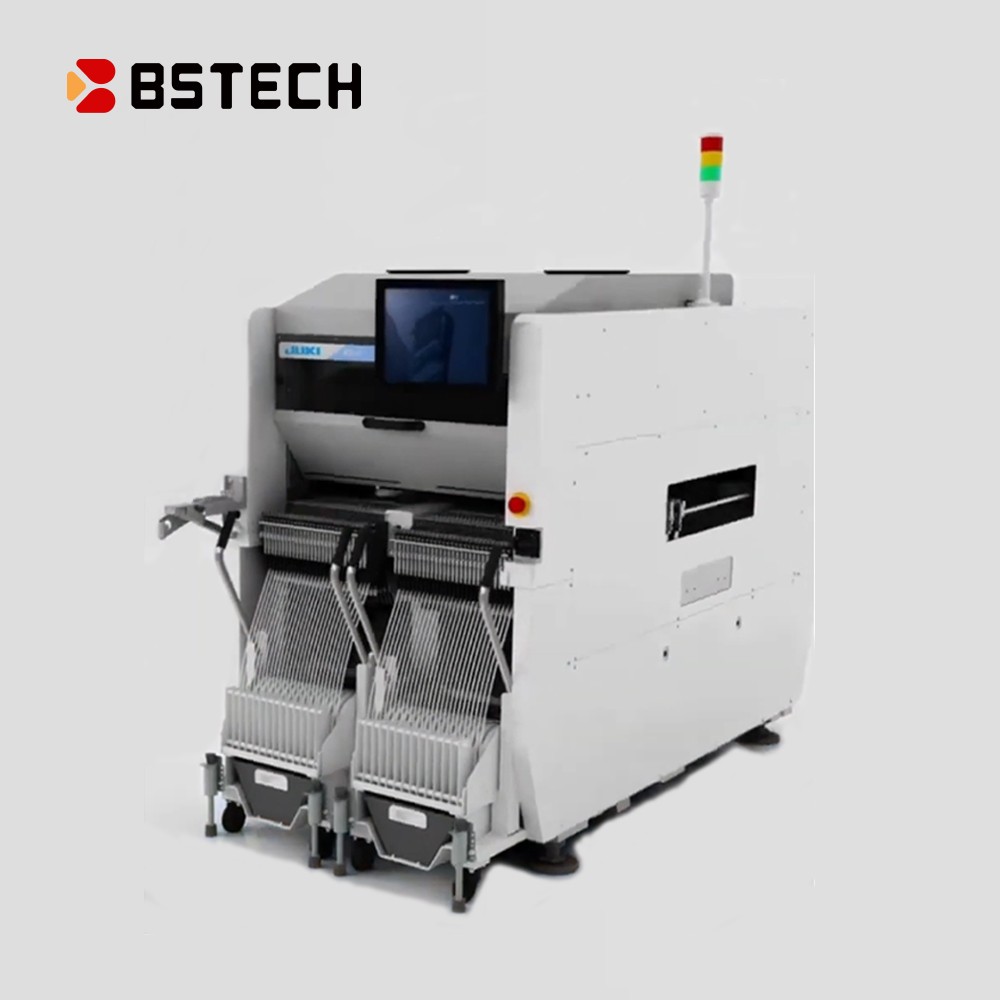
Selecting the right SMT equipment is crucial for optimizing your production line, and this includes picking the perfect universal pick and place machine. With a plethora of options available, understanding the differences between brands can make all the difference in your manufacturing efficiency. This section will help you navigate through brand comparisons, assess your specific production needs, and highlight how Bensun can be a key player in your equipment selection process.
Comparing Brands: JUKI vs. Others
When it comes to pick and place machines, JUKI has carved out a solid reputation in the SMT manufacturing arena. Known for their reliability and innovation, JUKI’s universal pick and place machines often lead the pack with advanced features that enhance speed and accuracy. However, it’s essential to consider other brands as well; some may offer specialized functions or competitive pricing that better align with specific production goals.
While JUKI machines are celebrated for their robust performance, brands like Yamaha or Panasonic also have unique selling points worth exploring. For instance, Yamaha's pick & place machines are renowned for their flexibility in handling various component types efficiently. Ultimately, comparing these options based on criteria such as cost-effectiveness, service support, and technological advancements will guide you toward the best choice for your SMT equipment needs.
Assessing Your Production Needs
Before diving into which pick & place machine suits you best, it's vital to evaluate your production requirements thoroughly. Are you focusing on high-volume runs or low-volume custom projects? Understanding these parameters will help determine whether you need a high-speed universal pick and place machine or one that excels in versatility across different applications.
Consider factors like board size compatibility, component types you'll be working with (like ICs or passive components), and even future scalability when assessing your needs. If you're engaged in complex assemblies requiring precision placement of tiny components, investing in an advanced SMT pick & place machine is essential to maintaining quality standards without sacrificing speed.
Moreover, don’t forget about integration capabilities with existing systems such as printers or reflow ovens; seamless connectivity can significantly enhance workflow efficiency across your entire SMT manufacturing operation.
The Role of Bensun in Equipment Selection
Bensun is more than just another name in the industry; they play a pivotal role when it comes to selecting the right SMT equipment tailored to your specific requirements. With an extensive portfolio of universal pick and place machines from various reputable brands including JUKI, they provide invaluable insights into what works best for different production scenarios. Their expertise ensures that you're not only choosing high-quality machinery but also getting guidance on optimal configurations based on current market trends.
Additionally, Bensun offers comprehensive support services that extend beyond mere equipment sales; they assist with installation processes as well as ongoing maintenance strategies tailored specifically for each type of smt pick & place machine you invest in. This holistic approach means that you're not just purchasing machinery—you're entering into a partnership aimed at enhancing productivity over time.
Ultimately, making an informed decision about which smt equipment to invest in can lead to substantial long-term benefits—both financially and operationally—as you optimize every aspect of your manufacturing process moving forward.
Integration with Other SMT Processes
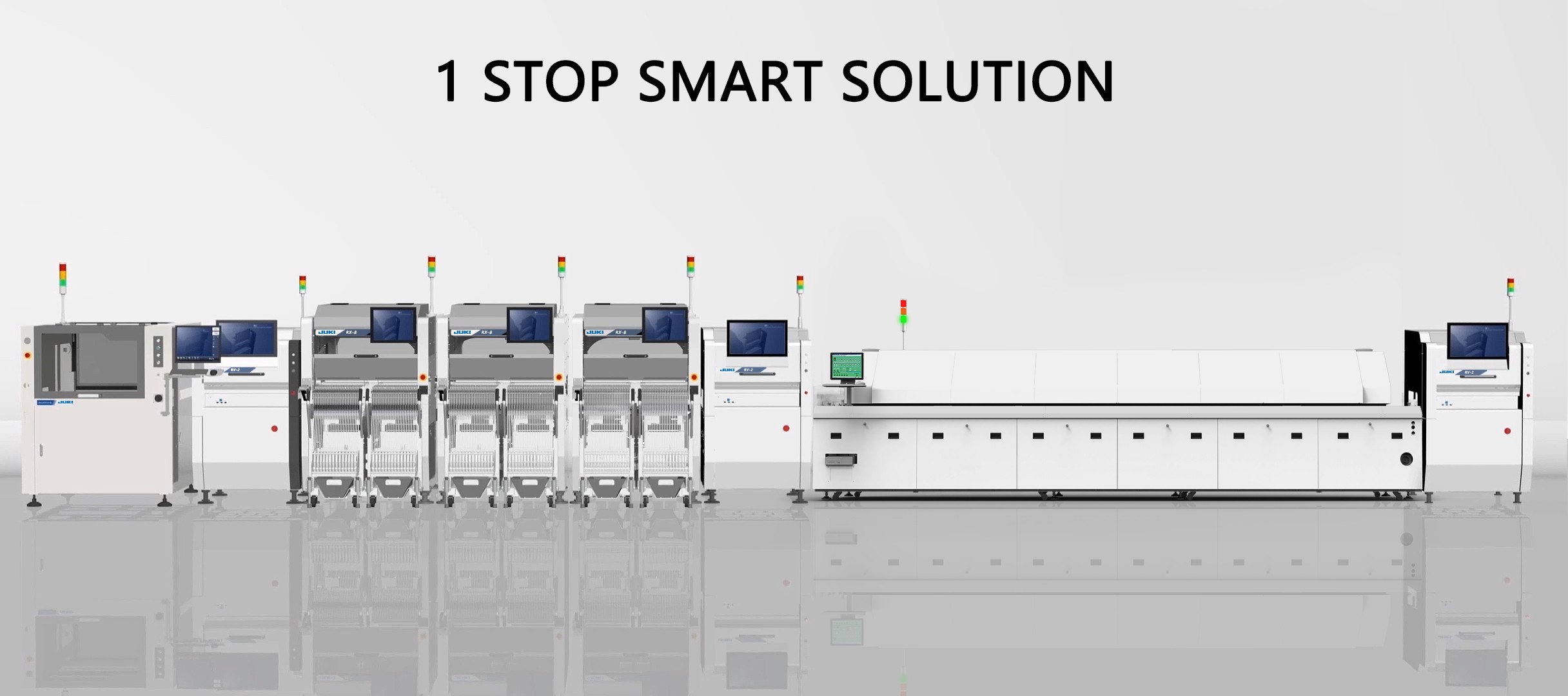
In the world of SMT manufacturing, the seamless integration of various processes is crucial for achieving optimal efficiency and quality. A universal pick and place machine plays a pivotal role in this integration, ensuring that components are accurately placed on PCBs while maintaining connectivity with other equipment like printers and ovens. By understanding how these machines interact with other SMT equipment, manufacturers can streamline their production workflows and enhance overall performance.
Connectivity with Printers and Ovens
The synergy between a pick & place machine and other SMT equipment, such as printers and reflow ovens, is essential for minimizing downtime and maximizing productivity. When a smt pick & place machine is connected to an automated stencil printer, it allows for precise placement of solder paste before components are added to the board. This connectivity ensures that the entire process—from printing to placement to soldering—is synchronized, reducing the likelihood of errors and improving throughput.
Moreover, integrating your pick and place machine with reflow ovens can facilitate real-time monitoring of temperature profiles during soldering processes. This data-driven approach not only enhances the quality of solder joints but also helps in identifying potential issues early on. Ultimately, having a well-connected system means less time spent troubleshooting issues that arise from misalignment or improper soldering.
Workflow Optimization Strategies
To truly capitalize on your smt equipment's capabilities, implementing effective workflow optimization strategies is key. One approach involves analyzing each step in the production line to identify bottlenecks where your universal pick and place machine may be underutilized or overloaded. By adjusting workloads or introducing automation at critical points in your workflow, you can enhance efficiency without compromising quality.
Another strategy includes employing software solutions that facilitate better communication between different machines within your SMT setup. For example, using advanced MES (Manufacturing Execution Systems) can help track production metrics in real time while optimizing scheduling based on current workloads across all machines—including your pick & place machine—thereby enhancing overall productivity.
Lastly, regular training sessions for operators can lead to improved handling techniques for both the smt pick & place machine and associated equipment. Well-trained staff are more likely to spot inefficiencies early on while ensuring that every piece of machinery operates at its best capacity.
Enhancing Quality Control
Quality control is paramount in any manufacturing process, especially when dealing with complex assemblies like those produced by a smt manufacturing line featuring a universal pick and place machine. Integrating robust quality control measures throughout each stage—from component inspection before placement through post-soldering checks—can significantly reduce defects and improve end-product reliability.
Utilizing advanced vision systems integrated into your pick & place machine allows for immediate verification of component alignment during placement tasks. These systems can catch errors before they escalate into larger issues downstream in production—saving both time and resources while maintaining high standards of quality assurance.
Additionally, fostering collaboration between departments—such as engineering, quality assurance (QA), and production—can lead to better insights into potential areas for improvement within your workflow involving smt equipment like universal pick & place machines. This holistic approach enables teams to share valuable feedback loops that ultimately contribute toward elevating product quality across all stages of manufacturing.
Conclusion
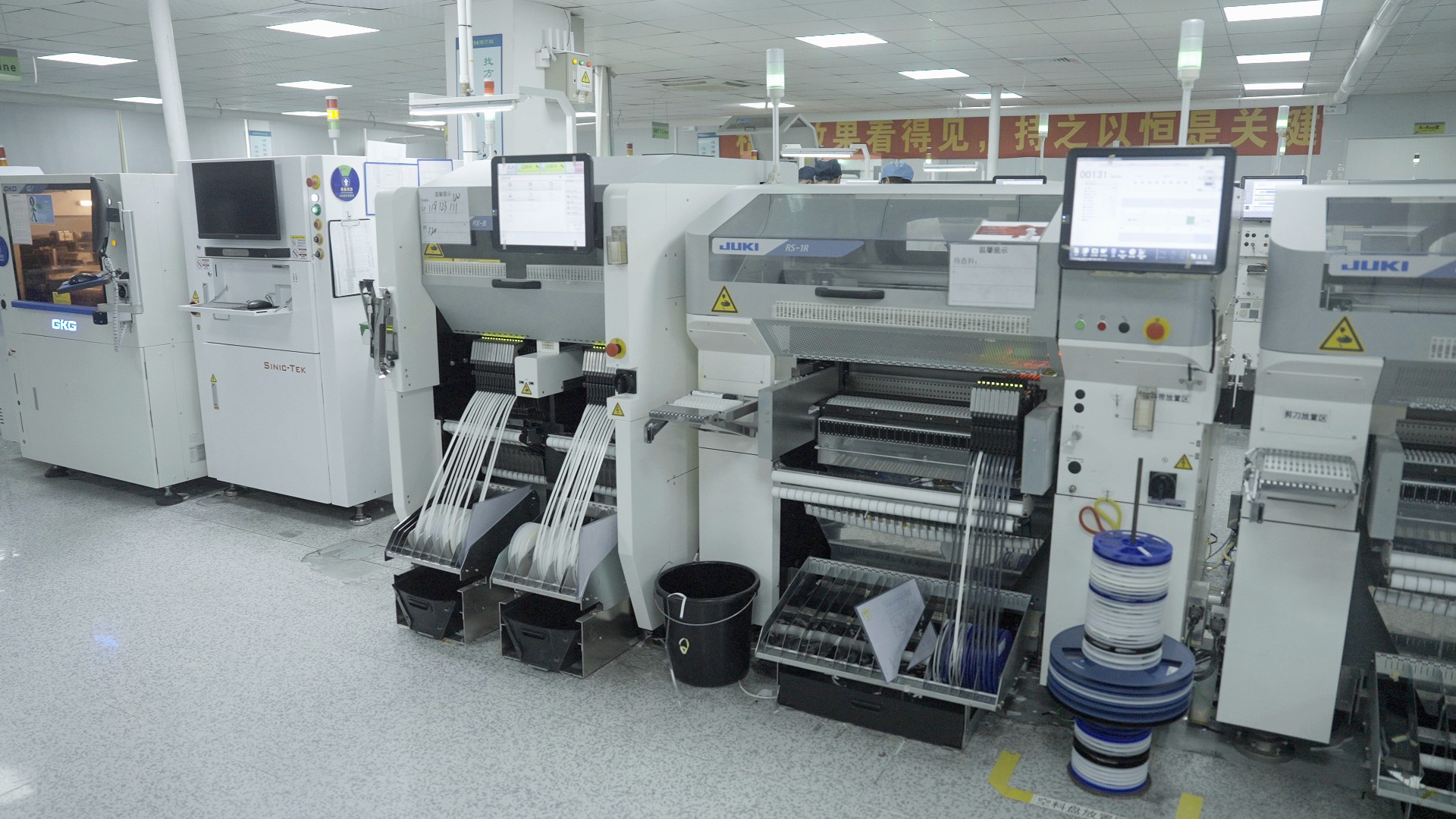
In the fast-paced world of SMT manufacturing, the need for efficiency and precision cannot be overstated. Investing in the right universal pick and place machine can significantly enhance productivity while ensuring high-quality output. With a comprehensive understanding of your equipment and its maintenance, you can maximize its potential and stay ahead in a competitive landscape.
Maximizing Efficiency with the Right Equipment
Selecting the ideal pick and place machine is essential for optimizing production workflows. A top-tier SMT pick & place machine not only speeds up assembly but also minimizes errors, ensuring that components are placed accurately every time. By carefully evaluating your specific needs against available models, you can find a universal pick and place machine that aligns perfectly with your operational goals.
Long-term Benefits of Regular Maintenance
Regular maintenance of your SMT equipment is crucial for sustaining performance over time. A well-maintained pick and place machine will operate more efficiently, reducing downtime caused by unexpected malfunctions or repairs. Moreover, routine checks on nozzles, vision systems, and other critical components can prolong the lifespan of your smt pick & place machine, ultimately saving costs in the long run.
The Future of SMT Pick and Place Technology
As technology continues to evolve, so too does the landscape of SMT manufacturing. Emerging innovations in automation and artificial intelligence promise to enhance the capabilities of modern universal pick and place machines even further. Staying informed about these advancements will allow manufacturers to adapt quickly, leveraging new features that improve speed, accuracy, and overall efficiency in their production lines.