
Introduction

In the intricate world of electronics, understanding the reflow PCB process is essential for achieving high-quality printed circuit assembly. This technique plays a pivotal role in circuit card assembly, where precision and reliability are paramount. As technology evolves, innovations in this field are transforming how we approach PCB assembly, making it more efficient and effective than ever before.
Understanding the Reflow PCB Process
The reflow PCB process is a sophisticated method used to solder components onto a printed circuit board (PCB). This involves applying solder paste to the board, placing components, and then using heat to melt the solder, creating strong electrical connections. A well-executed reflow process not only enhances performance but also ensures durability in various applications.
Importance of Printed Circuit Assembly
Printed circuit assembly is crucial for modern electronics, as it serves as the backbone of countless devices we use daily. The quality of this assembly directly impacts device functionality and longevity; hence, mastering techniques like reflow soldering is vital. With advancements in technology and growing consumer expectations, ensuring top-notch printed circuit assembly has never been more important.
Innovations in Circuit Card Assembly
The landscape of circuit card assembly is rapidly changing due to innovative technologies that streamline processes and improve accuracy. From smart machines that optimize soldering profiles to advanced optical inspection systems that catch defects early on, these innovations are reshaping how PCBs are assembled. Staying ahead in this competitive market requires embracing these advancements while maintaining high standards for quality.
Overview of Reflow PCB Soldering
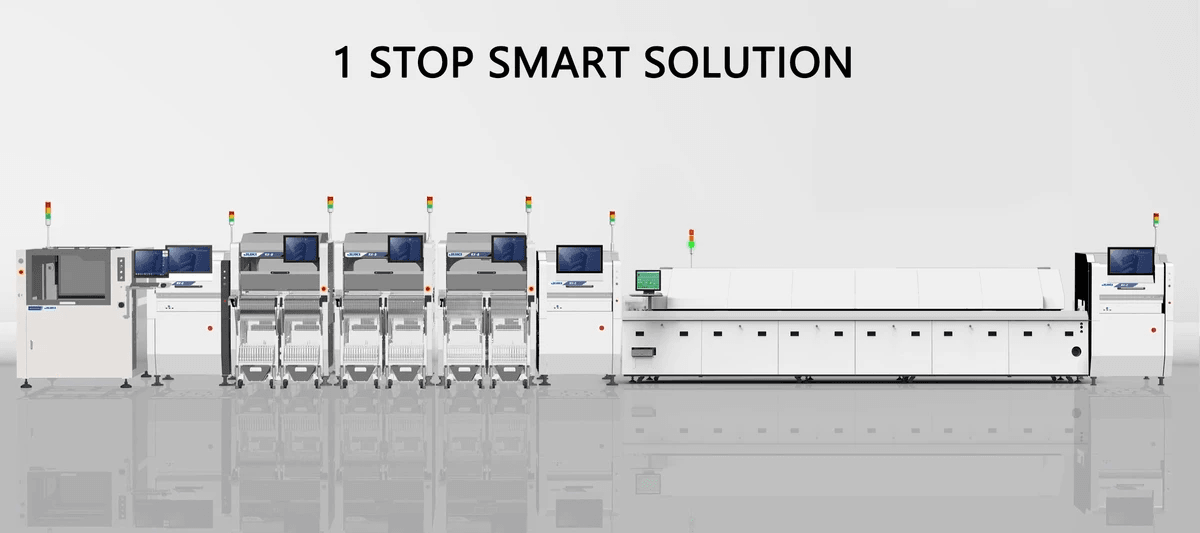
Reflow soldering is a pivotal technique in the realm of printed circuit assembly, offering a reliable method for attaching components to circuit boards. This process involves applying solder paste to the board, placing components on top, and then heating everything to create strong electrical connections. Understanding reflow PCB techniques is essential for anyone involved in circuit card assembly, as it significantly impacts the quality and reliability of electronic devices.
What is Reflow Soldering
At its core, reflow soldering is a thermal process where solder paste, which consists of tiny metal particles suspended in a flux medium, is melted to form permanent connections between electronic components and their respective pads on a printed circuit board (PCB). During this process, the assembly undergoes several temperature phases: preheating, soaking, reflowing, and cooling. The precise control over these temperature stages ensures that all parts are adequately heated without damaging sensitive components—an essential factor in modern PCB assembly.
Key Components of the Process
The key components involved in reflow PCB soldering include solder paste application tools like stencil printers or dispensers, placement machines that accurately position components on the board for ironing, and reflow ovens that heat the entire assembly uniformly. Each component plays an integral role; for instance, stencil printers ensure consistent paste application while placement machines guarantee that each component aligns perfectly with its pad. Additionally, advanced optical inspection systems are often integrated into this workflow to verify placements before finalizing the process.
Benefits of Reflow PCB Techniques
Reflow PCB techniques offer numerous benefits that enhance both efficiency and quality in circuit card assembly. First off, this method allows for high-density mounting of components without compromising reliability since it can accommodate fine-pitch devices effectively. Moreover, by utilizing automated processes such as optical inspection throughout various stages—like during board preparation or after component placement—manufacturers can significantly reduce errors and improve overall production yields while ensuring robust assemblies ready for any application for notes or applications requiring high performance.
The Role of Reflow Ovens

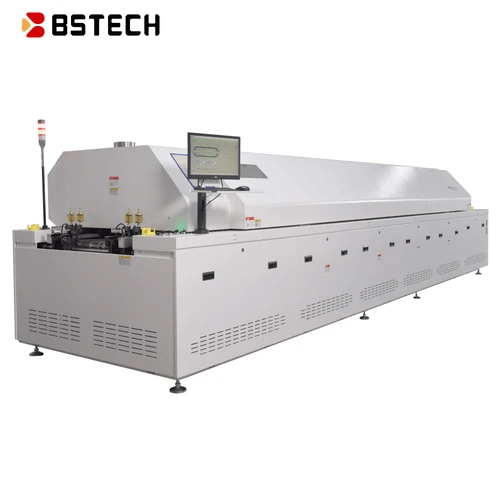
Reflow ovens are the unsung heroes of the printed circuit assembly (PCA) process, ensuring that soldering is both efficient and effective. These machines are designed to melt solder paste on a circuit board, allowing components to adhere securely, which is crucial for reliable performance in any electronic device. With advancements in technology, reflow ovens have become more sophisticated, integrating features that enhance their functionality and efficiency.
How Reflow Ovens Function
At the heart of reflow PCB technology lies the oven's ability to control temperature profiles meticulously. The process begins with placing a printed circuit assembly into the oven, where it undergoes a series of heating and cooling phases. This carefully orchestrated thermal cycle allows solder paste to melt and flow around component leads, creating solid electrical connections once cooled—think of it as a dance between heat and time that culminates in a perfect embrace.
The operation typically involves preheating the board for ironing to prepare it for the intense heat that follows. Once at optimal temperature, the oven enters the reflow phase where peak temperatures can reach over 200 degrees Celsius, depending on solder type used. Finally, cooling occurs rapidly to solidify connections while minimizing defects—a critical step in achieving high-quality circuit card assembly.
Popular Models in the Market
When it comes to choosing a reflow oven for PCB assembly, several models stand out due to their performance and reliability. Brands like Heller Technologies and Rehm Thermal Systems offer ovens known for their precision temperature control and efficient energy consumption—perfect for both small-scale operations and large manufacturing setups alike. These models often come equipped with advanced features such as programmable profiles that allow users to customize settings based on specific application requirements.
Another noteworthy contender is Bensun’s line of reflow ovens which has gained popularity among manufacturers looking for cost-effective yet high-performance solutions. Their user-friendly interfaces make programming easy while maintaining consistent quality across various production runs—ideal for those who value efficiency without compromising quality in printed circuit assembly.
Bensun's Contribution to Reflow Technology
Bensun has made significant strides in enhancing reflow PCB technology by focusing on innovation and user experience. Their commitment to developing state-of-the-art equipment has positioned them as leaders in this niche market; they combine cutting-edge design with practical functionality tailored specifically for modern manufacturing needs. By integrating optical inspection capabilities into their systems, Bensun ensures that every board produced meets rigorous quality standards before reaching consumers.
Moreover, Bensun’s emphasis on sustainability sets them apart from competitors; they prioritize eco-friendly practices throughout their manufacturing processes without sacrificing performance or reliability in circuit card assembly tasks. As industries increasingly demand greener solutions, Bensun continues evolving its product line with an eye toward environmental responsibility while maintaining top-notch efficiency—because who says you can't save the planet while making great electronics?
Enhancing PCB Assembly with Optical Inspection
In the world of printed circuit assembly, quality control is not just a checkbox; it’s a necessity. With the increasing complexity of circuit card assembly, ensuring that every component is correctly placed and soldered is paramount to functionality. Optical inspection technologies have emerged as indispensable tools for maintaining high standards in PCB assembly, significantly reducing the risk of defects.
Importance of Quality Control
Quality control in reflow PCB processes serves as the backbone of reliable electronic devices. Any flaws in solder joints or component placements can lead to catastrophic failures, making rigorous inspection vital before final assembly. By prioritizing quality control through optical inspection, manufacturers can save costs associated with returns and repairs while enhancing customer satisfaction.
Optical Inspection Technologies
Optical inspection technologies come in various forms, from automated optical inspection (AOI) systems to advanced 3D imaging solutions. These technologies utilize high-resolution cameras and sophisticated software algorithms to detect defects that might escape human eyes during manual inspections. Implementing these systems into your printed circuit assembly process not only boosts accuracy but also increases efficiency by streamlining the workflow.
Bensun's Visual Inspection Machines
Bensun has made significant strides in enhancing optical inspection capabilities with its state-of-the-art visual inspection machines designed specifically for reflow PCB applications. These machines are equipped with cutting-edge technology that ensures every board for ironing meets stringent quality standards before moving on to subsequent processes. With Bensun's commitment to innovation, their visual inspection solutions are setting new benchmarks in the realm of circuit card assembly.
Best Practices for Circuit Card Assembly
When it comes to circuit card assembly, adopting best practices is essential for achieving high-quality printed circuit assembly (PCA) outcomes. Each step in the process can significantly impact the final product, so attention to detail is paramount. Following these best practices will not only enhance the reliability of your reflow PCB but also streamline production efficiency.
Preparing the Board for Ironing
Before diving into the reflow PCB process, ensuring that your board is primed for ironing is crucial. Start by thoroughly cleaning the surface of the PCB to remove any contaminants that could interfere with solder adhesion. Additionally, double-check that all components are correctly placed and secured; this preparation sets a solid foundation for a successful printed circuit assembly.
Once you've cleaned and inspected your board, consider using an application for notes to track any specific requirements or adjustments needed during assembly. This will help maintain organization and ensure that no detail slips through the cracks as you progress through each stage of the process. Remember, a well-prepared board leads to fewer headaches down the line!
Selecting the Right Soldering Profiles
Choosing appropriate soldering profiles is another critical element in optimizing your circuit card assembly process. Different components and materials may require specific temperature settings and timing sequences during reflow soldering to achieve optimal results without damaging sensitive parts. By selecting profiles tailored to your particular application, you can significantly enhance solder joint quality.
Utilizing an application for note-taking can assist you in documenting various profiles used across different projects or batches, making it easier to replicate successful strategies in future assemblies. It's also wise to consult with equipment manufacturers or industry standards when defining these profiles; they often provide valuable insights into best practices based on their technology's capabilities. Ultimately, a well-chosen soldering profile ensures reliable connections throughout your printed circuit assembly.
Common Pitfalls to Avoid
Even seasoned professionals can stumble upon common pitfalls during circuit card assembly if they aren’t careful! One frequent mistake involves overlooking proper thermal management; improper heating can lead to insufficient solder joints or component damage on your reflow PCB. Always monitor temperature variations closely throughout the process and adjust accordingly.
Another common issue arises from inadequate optical inspection after reflow soldering; skipping this step might save time initially but could result in costly mistakes later on due to undetected defects in solder joints or component placement errors. Employing optical inspection technologies helps catch these issues before they escalate into major problems down the line—so don’t cut corners here! By being aware of these pitfalls and taking proactive measures, you’ll set yourself up for success in every aspect of PCB assembly.
Future Trends in Reflow PCB Technology
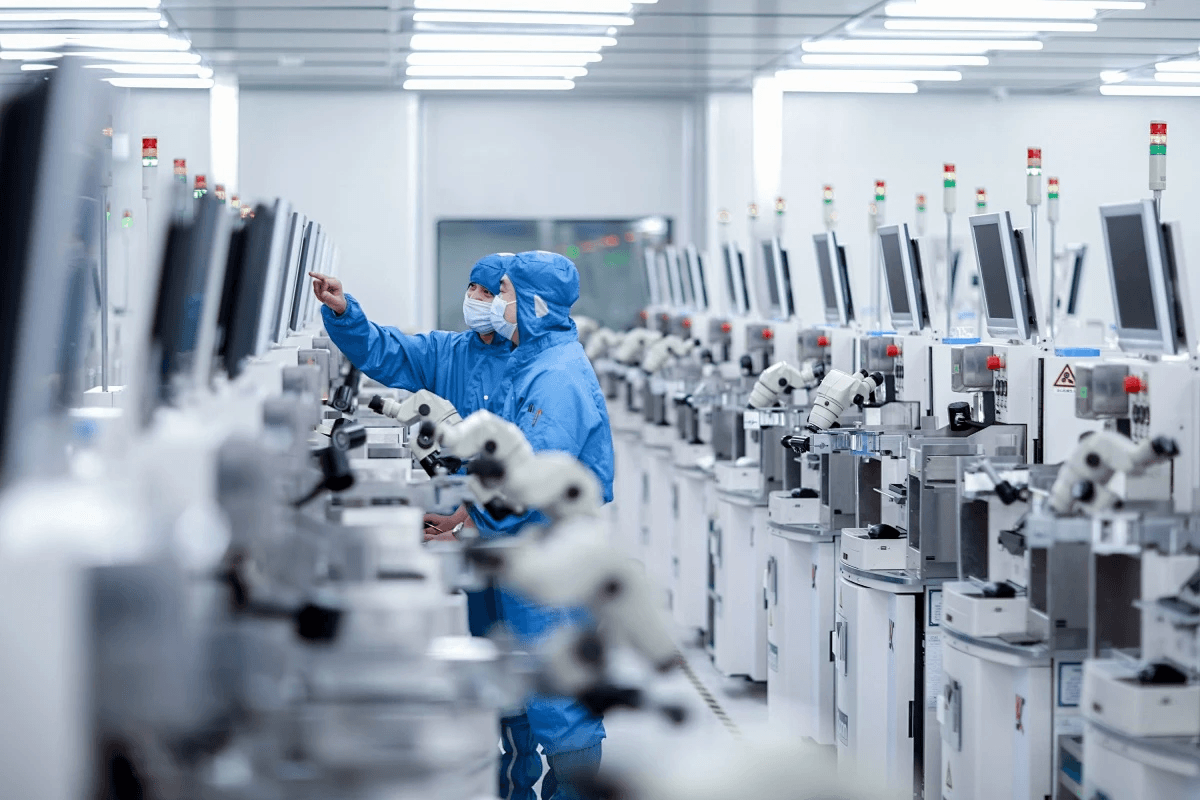
As the landscape of printed circuit assembly evolves, several trends are emerging that promise to redefine the reflow PCB process. Innovations are not just about enhancing efficiency; they also focus on improving quality and sustainability. The future of circuit card assembly is bright, driven by technological advancements and a commitment to environmental responsibility.
Innovations on the Horizon
The horizon for reflow PCB technology is brimming with innovations aimed at optimizing the soldering process. New materials and techniques are being developed that enhance thermal performance and reduce defects during assembly, making it easier for manufacturers to achieve high-quality results. Additionally, advancements in optical inspection technologies are set to revolutionize how we monitor and ensure quality throughout the printed circuit assembly process.
Emerging applications for notes on solder profiles will provide engineers with more precise control over temperature and timing during reflow operations. This level of detail allows for better customization based on specific board designs or component types, leading to improved reliability in circuit card assembly. As these innovations take hold, we can expect a significant reduction in waste and an increase in production efficiency.
The Growing Demand for Automation
Automation is rapidly becoming a cornerstone of modern PCB assembly practices, particularly within reflow soldering processes. With increasing pressure to produce high-quality products at lower costs, manufacturers are turning to automated solutions that streamline operations while maintaining precision. This growing demand for automation not only enhances productivity but also minimizes human error during critical stages like board preparation and optical inspection.
The integration of robotics in reflow ovens allows for more consistent heating profiles across various boards, ensuring optimal soldering conditions every time. Furthermore, automated systems can quickly adapt to changes in production requirements or new application notes without sacrificing quality or speed—an essential factor as industries continue to evolve rapidly. Ultimately, embracing automation will lead to smarter factories where every aspect of circuit card assembly is meticulously controlled.
Sustainability in PCB Assembly
Sustainability has become a focal point within the electronics industry, influencing how companies approach their manufacturing processes—including reflow PCB technology. There’s an increasing emphasis on eco-friendly materials and methods that reduce environmental impact while still delivering high-performance results in printed circuit assemblies. Companies are now seeking ways to minimize waste generated during production while adopting recyclable materials wherever possible.
Incorporating sustainable practices into PCB assembly doesn’t just benefit the environment; it also enhances brand reputation among consumers who prioritize eco-conscious choices when selecting products or partners. As advancements continue in areas like energy-efficient reflow ovens and environmentally friendly solder materials, businesses must adapt their strategies accordingly—making sustainability a competitive advantage rather than an afterthought.
In conclusion, as we look toward future trends in reflow PCB technology—from innovative approaches on the horizon through automation demands—it's clear that adaptability will be key for success within this ever-evolving landscape.
Conclusion
In the fast-paced world of electronics, the importance of quality in manufacturing cannot be overstated. The reflow PCB process is a critical component of printed circuit assembly, ensuring that every circuit card assembly meets stringent performance standards. As technology advances, maintaining high-quality control becomes essential for manufacturers who want to stay competitive.
The Importance of Quality in Manufacturing
Quality is the backbone of any successful manufacturing operation, especially in the realm of PCB assembly. Flawless execution during the reflow PCB process can significantly reduce defects and enhance product reliability, which is crucial for consumer trust. By focusing on quality control measures such as optical inspection technologies, manufacturers can identify potential issues early and ensure that each board for ironing meets the highest standards.
Adapting to Technological Advancements
The landscape of electronic manufacturing is rapidly evolving, and companies must adapt to these technological advancements to thrive. Embracing innovations in circuit card assembly not only streamlines processes but also enhances overall efficiency and accuracy during production. As automation becomes increasingly prevalent in PCB assembly, manufacturers are finding new ways to integrate sophisticated technologies into their workflows.
The Role of Bensun in PCB Evolution
Bensun has positioned itself as a key player in the evolution of PCB technology by continuously pushing boundaries with its innovative solutions. Their contributions to reflow ovens and optical inspection machines have set new benchmarks for quality and efficiency within printed circuit assembly processes. By investing in research and development, Bensun ensures that its products remain at the forefront of industry advancements while helping customers navigate the complexities of modern circuit card assembly.