
Introduction
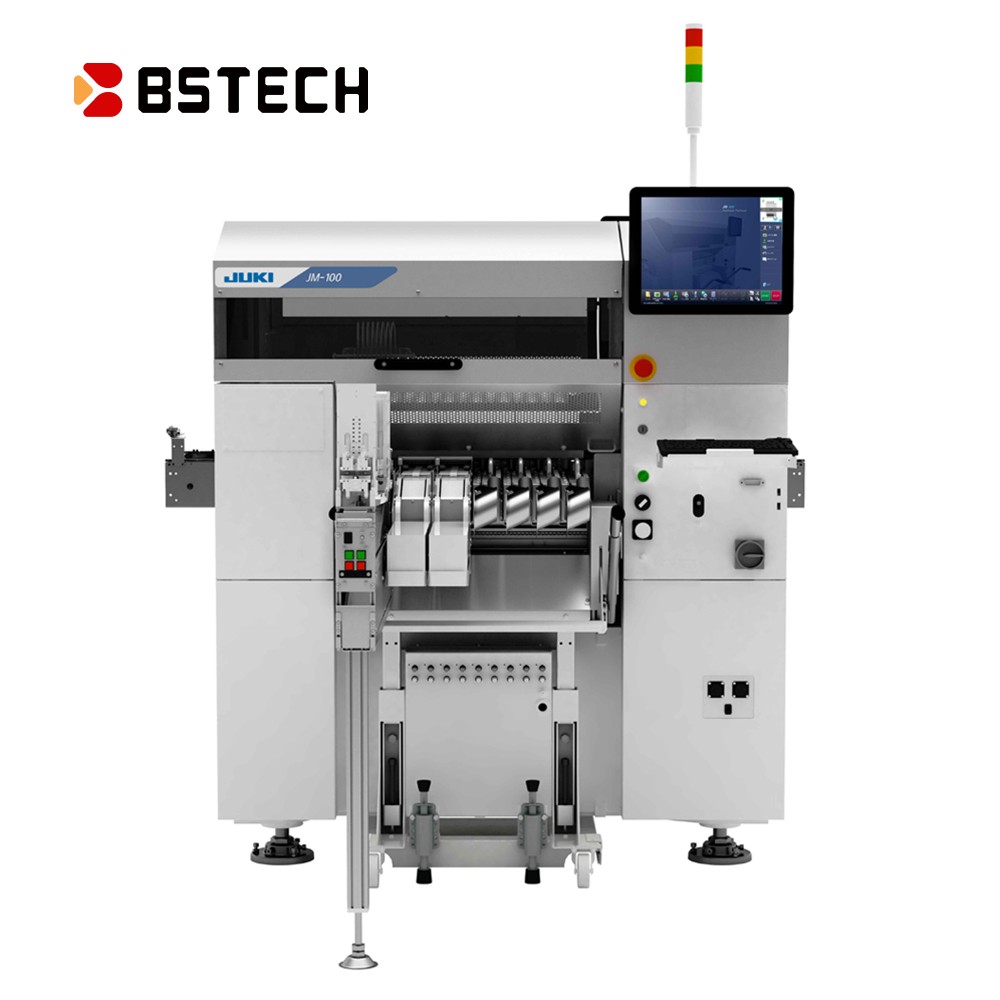
In the fast-paced world of electronics manufacturing, ensuring quality and precision is paramount. This is where SMT inspection equipment comes into play, offering critical insights into the production process. With advancements in technology, optical inspection has become an essential tool in PCB manufacturing, helping to identify defects before they escalate.
Understanding SMT Inspection Equipment
SMT inspection equipment encompasses a range of tools designed to monitor and ensure the quality of surface mount technology (SMT) assemblies. These systems include various types of optical inspection equipment, such as Automated Optical Inspection (AOI) machines that analyze solder paste application and component placement with remarkable accuracy. By employing these advanced tools, manufacturers can significantly reduce errors and enhance overall production efficiency.
Importance of Optical Inspection in PCB Manufacturing
Optical inspection plays a crucial role in PCB manufacturing by providing real-time feedback on the assembly process. It allows for the early detection of issues related to solder paste application, misalignment, or missing components—problems that could lead to costly failures down the line. The integration of AOI optical inspection not only improves product reliability but also boosts customer confidence in electronic devices.
Key Features of Solder Paste Inspection
Solder paste inspection is a vital aspect of quality control within the SMT process, focusing on evaluating the application and consistency of solder paste deposits on PCBs. Key features include high-resolution imaging capabilities that detect variations in paste volume and alignment with unprecedented precision. Additionally, modern solder paste inspection systems are equipped with sophisticated algorithms that facilitate quick decision-making and streamline production workflows.
Overview of SMT Inspection Equipment

In the fast-paced world of PCB manufacturing, SMT inspection equipment plays a crucial role in ensuring product quality and reliability. This equipment is designed to detect defects at various stages of production, from solder paste application to component placement. By utilizing advanced technologies like optical inspection, manufacturers can significantly enhance their quality control processes.
Types of SMT Inspection Equipment
When it comes to SMT inspection equipment, there are several types that cater to different aspects of the manufacturing process. Solder paste inspection systems are specifically designed to assess the application of solder paste on PCBs, ensuring that the right amount is applied for optimal soldering. Additionally, automated optical inspection (AOI) systems focus on examining the placement and alignment of components post-assembly, making them essential for maintaining high-quality standards.
Other notable types include X-ray inspection systems that provide insights into hidden solder joints and defects beneath components, as well as manual visual inspection tools for smaller-scale operations. Each type has its unique advantages and is often used in conjunction with pick and place machines to streamline production workflows. By understanding these various types of SMT inspection equipment, manufacturers can choose the right tools for their specific needs.
Role of AOI Inspection in Quality Control
AOI inspection plays a pivotal role in quality control within PCB manufacturing by providing real-time feedback on assembly accuracy and integrity. This technology utilizes high-resolution cameras and sophisticated software algorithms to detect discrepancies such as misaligned components or insufficient solder paste coverage during the assembly process. By identifying these issues early on, AOI helps prevent costly rework or product failures down the line.
Moreover, AOI optical inspection not only enhances quality assurance but also contributes to overall efficiency by reducing manual labor required for inspections. With automated systems in place, manufacturers can achieve higher throughput without compromising quality standards. As a result, integrating AOI into production lines has become a best practice for many leading electronics manufacturers looking to optimize their processes.
Integration of Optical Inspection Equipment
Integrating optical inspection equipment into existing manufacturing setups can significantly enhance productivity and accuracy throughout the PCB assembly process. This integration allows for seamless communication between different pieces of machinery—such as pick and place machines—and ensures that every step is monitored effectively using advanced technologies like solder paste inspection systems and AOI solutions.
By adopting a holistic approach that combines multiple forms of SMT inspection equipment, manufacturers can create a more robust quality control framework capable of addressing various challenges encountered during production. Furthermore, this integration facilitates data collection which can be analyzed over time to identify trends or recurring issues within the manufacturing process—ultimately driving continuous improvement efforts across operations.
In summary, understanding the landscape of SMT inspection equipment is crucial for any manufacturer aiming to ensure product excellence while maximizing efficiency through effective integration strategies.
Benefits of Solder Paste Inspection
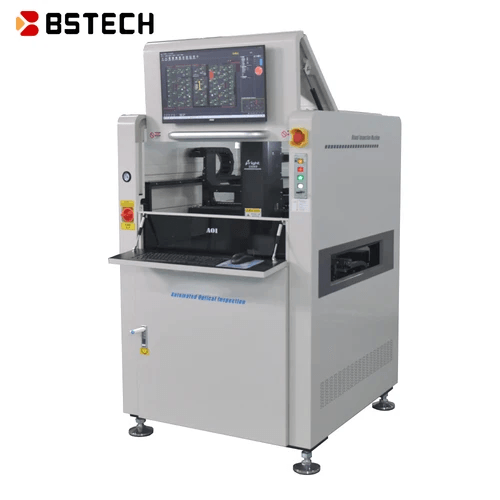
Solder paste inspection is a crucial component of the SMT inspection equipment ecosystem, ensuring that every application meets stringent quality standards. By utilizing advanced optical inspection techniques, manufacturers can detect inconsistencies in solder paste application before they lead to defects. This proactive approach not only boosts product reliability but also enhances overall manufacturing efficiency.
Ensuring Quality in Solder Paste Application
The quality of solder paste application is paramount in PCB manufacturing, as it directly influences the performance and longevity of electronic components. With effective solder paste inspection, manufacturers can ensure that the correct amount of paste is applied consistently across all boards, significantly reducing the risk of cold joints or bridging issues. Optical inspection equipment plays a vital role here, providing real-time feedback during the production process and allowing for immediate adjustments when necessary.
Reducing Defects through Effective Inspection
Effective solder paste inspection dramatically reduces defects that can arise during the assembly process. By implementing AOI (Automated Optical Inspection) systems specifically designed for inspecting solder paste, companies can identify issues such as insufficient or excessive paste application early on. This not only saves time and resources but also minimizes rework costs and enhances customer satisfaction by delivering higher-quality products.
Technologies in Solder Paste Inspection
Various technologies are employed in solder paste inspection to maximize accuracy and efficiency within SMT processes. Advanced AOI optical inspection systems utilize high-resolution cameras and sophisticated algorithms to analyze solder paste patterns with remarkable precision. These innovations enable real-time monitoring and data collection, allowing manufacturers to refine their processes continually while ensuring compliance with industry standards for quality control.
AOI Optical Inspection Explained
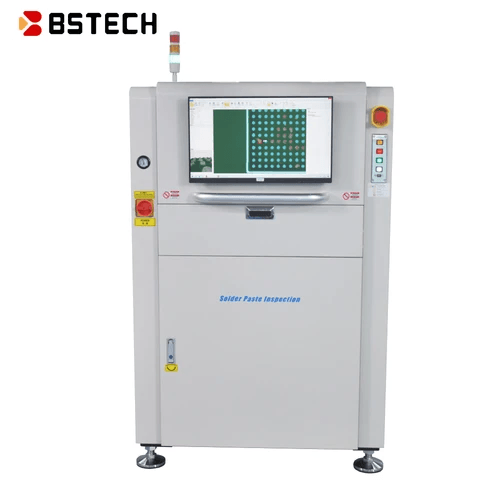
In the world of SMT inspection equipment, Automated Optical Inspection (AOI) stands out as a game-changer. This technology not only streamlines the manufacturing process but also enhances overall quality control. By integrating advanced optical inspection into the production line, manufacturers can achieve higher efficiency and accuracy in solder paste inspection.
How AOI Enhances Manufacturing Efficiency
AOI systems play a crucial role in boosting manufacturing efficiency by automating the inspection of PCB assemblies. With high-speed cameras and sophisticated algorithms, these optical inspection systems can quickly identify defects in solder paste application, ensuring that only quality components proceed to the next stage. This rapid assessment reduces downtime and minimizes human error, allowing pick and place machines to operate at their optimal speed without interruptions.
Moreover, AOI optical inspection helps maintain consistent quality throughout production runs. By detecting issues early on, manufacturers can implement corrective actions before defects propagate through the assembly line. The result is a more streamlined process that not only saves time but also significantly lowers costs associated with rework and scrap.
Common Challenges in AOI Inspection
While AOI offers numerous benefits, it is not without its challenges in the realm of SMT inspection equipment. One common issue is achieving accurate detection rates across various component types and sizes; some intricate designs may require specialized settings for effective solder paste inspection. Additionally, environmental factors such as lighting conditions can affect optical inspection results, necessitating careful calibration of the equipment.
Another challenge lies in integrating AOI systems with existing manufacturing processes and machinery like pick and place machines. Ensuring seamless communication between these systems is essential for maximizing efficiency; otherwise, bottlenecks may occur if one system lags behind another during operation. Continuous training for operators on how to interpret AOI data effectively is also vital to overcoming these hurdles.
Selecting the Right AOI System
Choosing the right AOI system requires careful consideration of several factors related to your specific needs in SMT inspection equipment. First, assess your production volume and complexity; high-speed lines with diverse components will benefit from advanced systems equipped with multi-angle cameras and sophisticated software capabilities for solder paste inspection.
Next, consider compatibility with existing machinery like pick and place machines; an ideal AOI system should integrate seamlessly into your current workflow without causing disruptions or delays during inspections. Finally, evaluate vendor support services—having reliable technical assistance can make all the difference when navigating challenges or upgrading your optical inspection equipment down the line.
The Role of Pick and Place Machines
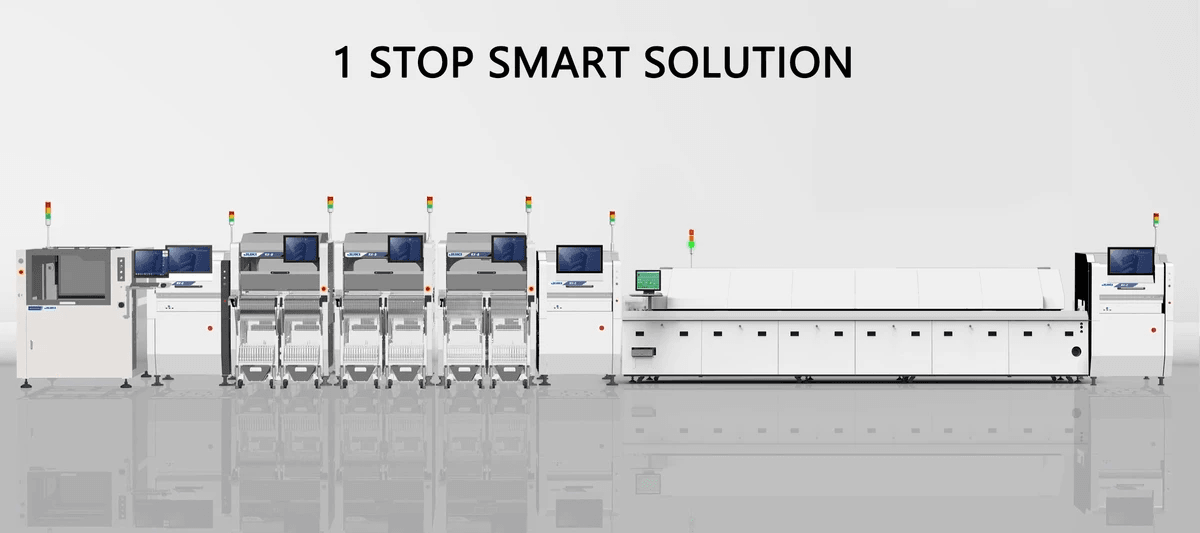
In the realm of surface mount technology (SMT), pick and place machines serve as the unsung heroes, meticulously placing components onto printed circuit boards (PCBs) with precision. These machines have undergone significant advancements, evolving from simple manual devices to sophisticated automated systems that integrate seamlessly with other SMT inspection equipment. The role of pick and place machines is crucial not only for efficiency but also for ensuring the quality of solder paste application through effective optical inspection.
Evolution of Pick and Place Technology
The journey of pick and place technology has been nothing short of remarkable. Initially, these machines relied on manual operation, requiring skilled technicians to position components accurately on PCBs. With the advent of robotics and advanced software, modern pick and place machines now utilize vision systems that incorporate aoi inspection capabilities, allowing for real-time adjustments based on optical inspection feedback to enhance placement accuracy.
As technology progressed, manufacturers began integrating artificial intelligence (AI) into their pick and place systems, enabling them to learn from previous placements and improve over time. This evolution has led to increased speed and accuracy in solder paste application while reducing the likelihood of defects during the assembly process. Consequently, today's pick and place machines are equipped with advanced features that ensure optimal performance in conjunction with other SMT inspection equipment.
Impact on SMT Production Speed
The impact of pick and place machines on SMT production speed cannot be overstated; they are pivotal in accelerating manufacturing processes without compromising quality. By automating component placement, these machines significantly reduce cycle times compared to manual methods, allowing manufacturers to meet tight deadlines while maintaining high standards in solder paste application through effective solder paste inspection techniques.
Moreover, when combined with aoi optical inspection systems, any potential issues can be detected early in the production line—before they escalate into costly defects or rework scenarios. This synergy between pick and place technology and optical inspection not only enhances productivity but also ensures that each PCB meets stringent quality criteria right out of the gate.
Integrating Machines for Optimal Performance
To achieve optimal performance in SMT manufacturing processes, integrating various machines—including pick and place equipment—becomes essential. Collaboration between different pieces of smt inspection equipment ensures a seamless workflow where each machine complements one another's strengths; for example, using aoi inspection alongside advanced solder paste printers enhances detection capabilities during assembly operations.
Furthermore, integration allows for better data sharing among devices—providing real-time insights into production metrics that inform decision-making processes about maintenance or adjustments needed along the assembly line. Ultimately, this interconnected approach leads to improved efficiency across all stages—from initial component placement by pick and place machines through final quality checks via optical inspection equipment.
Leading Manufacturers of SMT Equipment
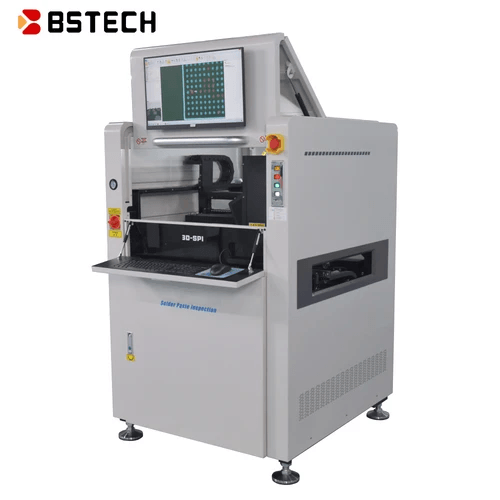
In the competitive landscape of SMT inspection equipment, several manufacturers stand out for their innovative approaches and reliable products. These companies not only provide high-quality optical inspection solutions but also contribute to advancements in solder paste inspection technology. As the demand for efficient PCB manufacturing rises, these leaders play a crucial role in shaping industry standards.
Bensun Technology's Offerings
Bensun Technology has carved a niche for itself in the realm of SMT inspection equipment with its cutting-edge optical inspection systems. Their focus on solder paste inspection ensures that manufacturers can detect defects early in the production process, thus minimizing costly rework. With a robust lineup that includes advanced AOI inspection solutions, Bensun is committed to enhancing quality control across various stages of PCB assembly.
Top Competitors in the Market
While Bensun Technology is making waves, it faces stiff competition from other notable players in the SMT market. Companies like Fuji and Panasonic offer comprehensive optical inspection equipment tailored to meet diverse manufacturing needs. These competitors are continually innovating, introducing features that improve solder paste application accuracy and streamline AOI optical inspection processes.
Innovations from Industry Leaders
The realm of SMT inspection equipment is ripe with innovation as industry leaders push boundaries to enhance performance and efficiency. Recent advancements include AI-driven algorithms for more precise solder paste inspections and integrated systems that combine pick and place machines with advanced AOI capabilities. As these innovations unfold, they promise to redefine how manufacturers approach quality assurance in their production lines.
Conclusion
In the world of PCB manufacturing, the right SMT inspection equipment can make all the difference between a flawless product and a costly failure. With the increasing complexity of electronics, understanding how to select appropriate optical inspection tools is crucial for maintaining quality standards. As manufacturers strive for excellence, investing in advanced solder paste inspection technologies becomes not just beneficial but essential.
Choosing the Right SMT Inspection Equipment
When it comes to selecting SMT inspection equipment, it's vital to consider various factors such as accuracy, speed, and compatibility with existing systems. Optical inspection equipment should seamlessly integrate with your production line while providing reliable feedback on solder paste application and placement accuracy. Ultimately, choosing the right tools not only enhances productivity but also boosts overall confidence in your manufacturing processes.
Future Trends in Optical Inspection Technology
The future of optical inspection is bright and filled with innovation, particularly in areas like AI integration and enhanced imaging techniques. As manufacturers increasingly adopt smart technologies, we can expect a rise in automated optical inspection (AOI) systems that leverage machine learning algorithms for even greater precision in detecting defects. This evolution will not only streamline solder paste inspection but also pave the way for more intelligent pick and place machines that adapt to real-time data.
Maximizing Efficiency with Complete Systems
To truly maximize efficiency in PCB production, integrating all components—from solder paste application to AOI optical inspection—into a cohesive system is key. A well-orchestrated setup ensures that every aspect of manufacturing works harmoniously together, minimizing errors and reducing waste along the way. By focusing on complete solutions rather than isolated pieces of equipment, manufacturers can achieve unprecedented levels of productivity and quality assurance.