
Introduction
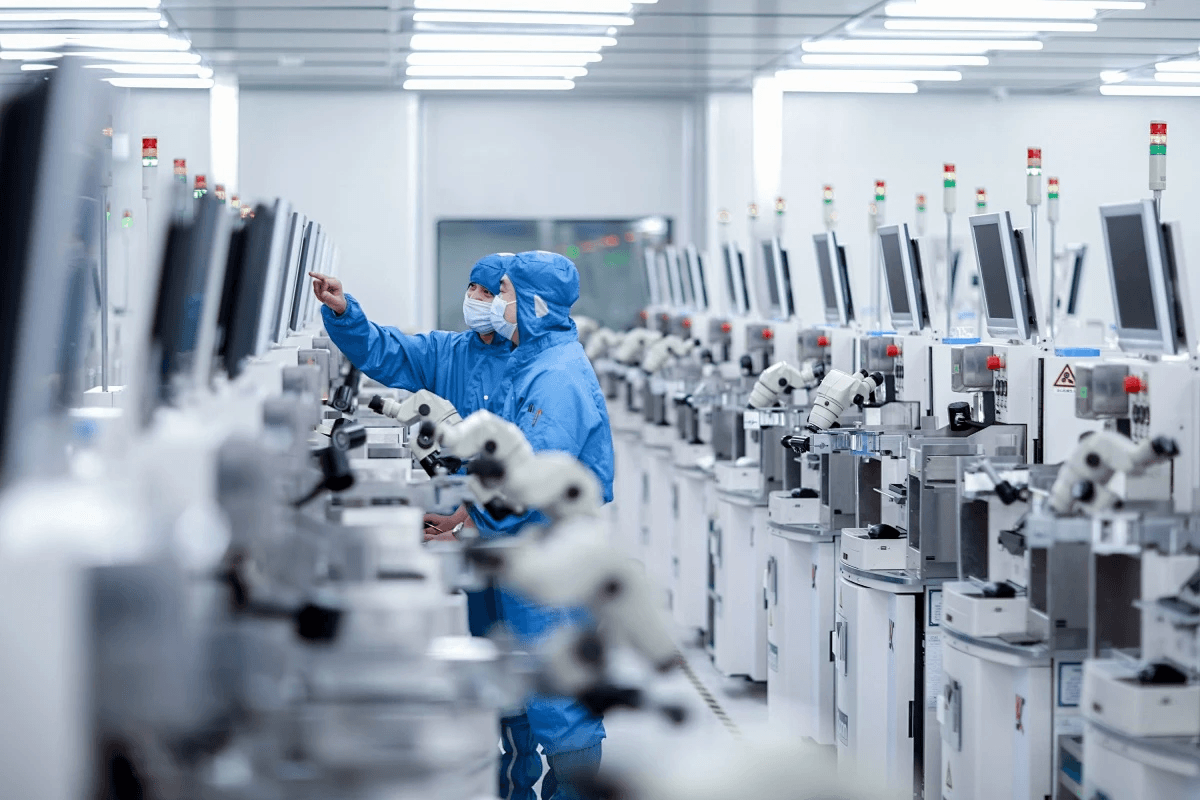
In the fast-paced world of electronics, understanding quality in PCB equipment is vital for ensuring effective printed circuit assembly. As the backbone of modern technology, circuit boards are intricately designed and manufactured to meet rigorous standards. The quality of PCB manufacturing directly influences the performance and reliability of electronic devices, making it essential for manufacturers to prioritize top-notch equipment.
Understanding Quality in PCB Equipment
Quality in PCB equipment refers not only to the materials used but also to the precision and reliability of the machinery involved in printed circuit board manufacturing. High-quality equipment ensures that every component is accurately placed and soldered, reducing defects during production. This level of precision is crucial for maintaining the integrity of ckt boards, especially as electronic devices become more compact and complex.
Importance of Reliability in Circuit Board Manufacturing
Reliability in circuit board manufacturing cannot be overstated; it determines how well a product performs over time under various conditions. When manufacturers invest in dependable PCB equipment, they minimize risks associated with failures that could lead to costly recalls or repairs. Ultimately, a reliable printed circuit assembly process enhances customer satisfaction and brand loyalty.
How Technology Impacts PCB Production
Technology plays a transformative role in PCB production by introducing advanced automation and innovative processes that streamline manufacturing workflows. With state-of-the-art pcb equipment, companies can achieve higher throughput while maintaining stringent quality control measures throughout printed circuit manufacturing. Furthermore, emerging technologies such as artificial intelligence are revolutionizing how we approach design and assembly, paving the way for smarter and more efficient production methods.
Assessing Manufacturer Reputation
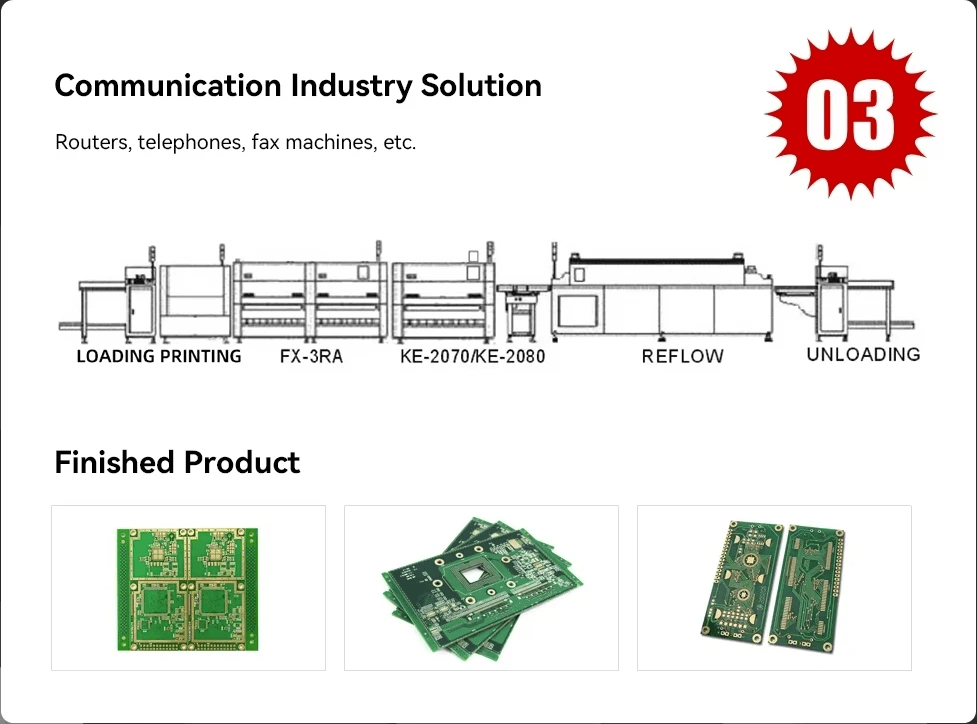
When it comes to the world of PCB manufacturing, the reputation of a manufacturer can make or break your project. A solid reputation often indicates reliability in producing high-quality printed circuit boards, which is essential for ensuring that your circuit board performs flawlessly. Evaluating manufacturers like Bensun Technology Co., Ltd. provides insight into their capabilities and commitment to excellence in printed circuit assembly.
Evaluating Bensun Technology Co., Ltd.
Bensun Technology Co., Ltd. stands out in the crowded field of PCB equipment manufacturers, known for its innovative approaches and advanced technology integration. Their commitment to quality is reflected in their rigorous testing processes and adherence to international standards in printed circuit board manufacturing. Customers have reported high satisfaction levels with Bensun’s products, particularly highlighting their reliability and performance in various applications.
When assessing Bensun's offerings, it's crucial to consider not only the specifications of their pcb equipment but also how they align with industry needs for precision and durability. Their range of products caters to diverse sectors, from consumer electronics to automotive applications, making them a versatile choice for many businesses involved in circuit board manufacturing. Additionally, Bensun’s proactive approach toward customer engagement further enhances their standing as a reputable manufacturer.
Industry Leaders in PCB Manufacturing
In the realm of printed circuit manufacturing, several industry leaders have set benchmarks that others aspire to meet or exceed. Companies such as Jabil Circuit and Flextronics are recognized globally for delivering top-notch pcb equipment that meets stringent quality standards while maintaining cost-effectiveness. These leaders not only invest heavily in research and development but also prioritize sustainability practices within their operations—an increasingly important factor for modern consumers.
Moreover, these industry giants offer extensive portfolios that showcase cutting-edge technology tailored specifically for high-volume production runs of ckt boards. Their expertise spans across various sectors including telecommunications, medical devices, and automotive industries—each requiring unique solutions tailored through advanced printed circuit assembly techniques. By evaluating these leaders alongside emerging players like Bensun Technology Co., Ltd., businesses can better understand market trends and expectations within the PCB landscape.
Customer Reviews and Feedback
Customer reviews serve as invaluable resources when assessing a manufacturer's reputation within the PCB equipment sector. Positive feedback often highlights aspects such as product reliability during operation and exceptional after-sales support—a critical component when investing in printed circuit board manufacturing technology. Conversely, negative reviews can shed light on potential pitfalls or shortcomings that may affect production efficiency or product quality.
Bensun Technology Co., Ltd.'s customer testimonials frequently emphasize how their pcb equipment has improved operational workflows while reducing downtime associated with maintenance issues—a key consideration for any business reliant on effective printed circuit assembly processes. Additionally, platforms like Trustpilot or industry-specific forums provide insights into user experiences with various manufacturers’ products over time—allowing prospective buyers to make informed decisions based on real-world feedback rather than just marketing claims.
In summary, understanding a manufacturer's reputation involves scrutinizing multiple facets: from evaluating companies like Bensun Technology Co., Ltd., examining industry leaders’ contributions to innovation within pcb equipment design, and analyzing customer reviews that reflect user satisfaction levels across different applications within circuit board manufacturing.
Analyzing Equipment Specifications
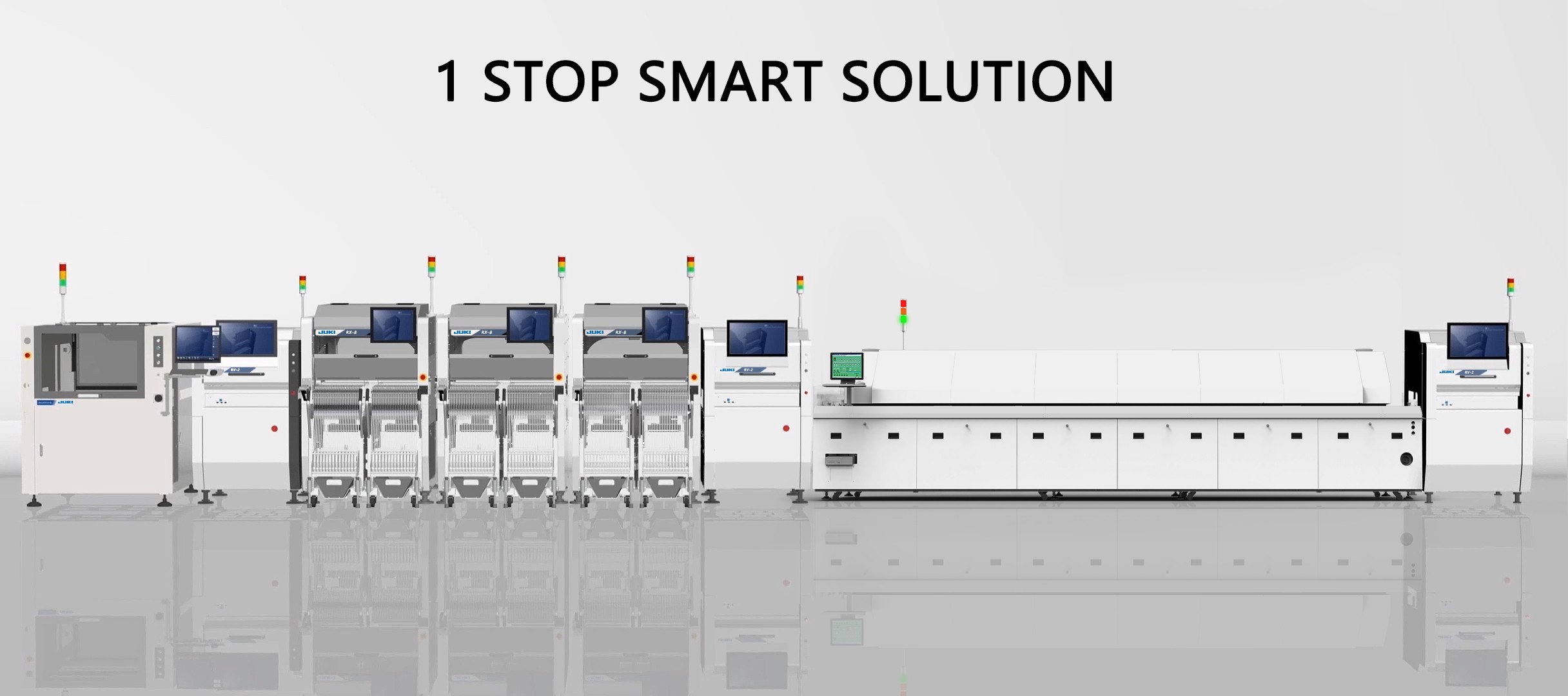
In the world of PCB manufacturing, equipment specifications play a crucial role in determining the efficiency and reliability of printed circuit assembly processes. Understanding the key features of SMT (Surface Mount Technology) and MI (Mixed Technology) production equipment is essential for manufacturers looking to optimize their circuit board production lines. By focusing on precision, compatibility with standards, and advanced technology integration, businesses can enhance their overall output quality.
Key Features of SMT/MI Production Equipment
SMT/MI production equipment boasts several key features that set it apart in the realm of circuit board manufacturing. These machines are designed to handle high-volume production while maintaining exceptional accuracy in component placement on printed circuit boards. Features like automated vision systems, flexible feeder designs, and customizable settings allow manufacturers to adapt quickly to varying project requirements, ensuring optimal performance across different types of PCB equipment.
Moreover, advancements in speed and efficiency have made modern SMT/MI equipment indispensable for those engaged in printed circuit assembly. With faster cycle times and reduced setup durations, manufacturers can significantly increase throughput without compromising quality standards. This adaptability not only caters to diverse product lines but also supports rapid prototyping and low-volume production runs, making it a must-have for any serious player in the PCB manufacturing arena.
Importance of Precision in Printed Circuit Assembly
Precision is paramount when it comes to printed circuit assembly; even minor misalignments can lead to significant failures down the line. The intricacies involved in soldering components onto a ckt board require machinery that delivers consistent accuracy throughout the entire process. High-precision placement ensures that components fit perfectly within their designated spots on the PCB, reducing potential defects and enhancing overall product reliability.
Furthermore, as electronic devices become more compact with intricate designs, the need for precise assembly becomes even more critical. Investing in high-quality pcb equipment equipped with advanced positioning systems allows manufacturers to push boundaries while adhering to strict industry standards. Ultimately, precision not only elevates product quality but also fosters trust among clients who rely on these components for their own innovations.
Compatibility with Circuit Board Standards
Ensuring compatibility with established circuit board standards is vital for any manufacturer aiming for success in printed circuit board manufacturing. Various regulatory bodies set forth guidelines that dictate acceptable practices regarding design layouts, component sizes, and material specifications used within ckt boards. By selecting pcb equipment designed to comply with these standards from the get-go, companies can avoid costly rework or redesigns later on.
Moreover, compliance extends beyond just meeting basic requirements; it encompasses staying ahead of evolving industry norms as well. Manufacturers who prioritize compatibility are better positioned to adapt swiftly when new regulations arise or when entering international markets requiring different certifications for their products. Ultimately, investing in compatible technology not only streamlines operations but also reinforces a company’s reputation as a reliable player within the competitive landscape of PCB manufacturing.
Exploring Technology Integration
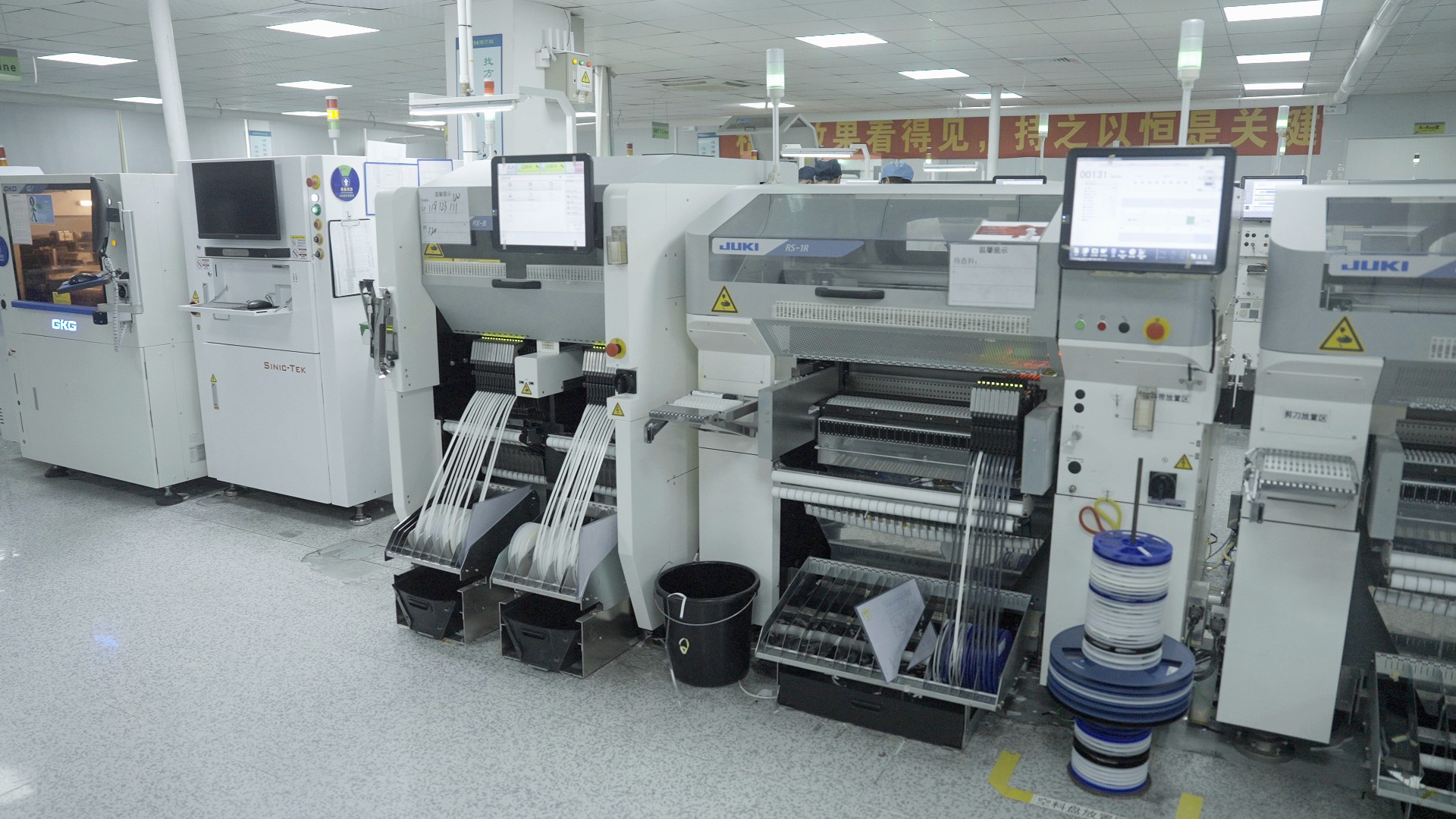
In the ever-evolving landscape of printed circuit board manufacturing, technology integration plays a pivotal role in enhancing efficiency and precision. The incorporation of advanced technologies not only streamlines processes but also elevates the quality of PCB equipment used in production. As manufacturers seek to optimize their operations, understanding these technological advancements becomes essential for staying competitive in the circuit board manufacturing industry.
Role of Automation in PCB Equipment
Automation has revolutionized the way printed circuit assembly is conducted, transforming traditional practices into highly efficient processes. By integrating automated systems into PCB equipment, manufacturers can achieve higher throughput and reduced human error, ultimately leading to superior quality in circuit boards. Automated solutions not only minimize labor costs but also enhance consistency across production runs, which is critical for maintaining standards in printed circuit manufacturing.
Moreover, automation allows for real-time monitoring and adjustments during the assembly process. This capability ensures that any deviations from specifications are promptly addressed, further solidifying the reliability of PCB equipment and enhancing overall product integrity. As a result, manufacturers can focus on innovation rather than being bogged down by repetitive tasks.
Impact of AI on Printed Circuit Manufacturing
Artificial intelligence (AI) is making waves in printed circuit board manufacturing by providing insights that were previously unattainable through manual analysis alone. By leveraging machine learning algorithms, manufacturers can predict potential failures and optimize production schedules based on historical data and real-time analytics. This predictive capability significantly reduces downtime and enhances the reliability of both equipment and final products.
Additionally, AI-driven tools facilitate smarter decision-making regarding design modifications or material selections during printed circuit assembly processes. These intelligent systems analyze vast amounts of data to recommend optimal configurations that improve performance while minimizing costs associated with errors or rework. Embracing AI technology not only boosts productivity but also keeps manufacturers ahead in a competitive market.
Innovations in Circuit Board Manufacturing
The landscape of circuit board manufacturing is continuously evolving due to groundbreaking innovations that redefine how PCBs are produced. From additive manufacturing techniques like 3D printing to advanced materials such as flexible circuits, these innovations enable new possibilities for design complexity and functionality within CKT boards. Such advancements allow engineers to create more compact designs without sacrificing performance or reliability.
Moreover, innovations like smart materials have begun to emerge within the realm of printed circuit assembly, enabling dynamic changes based on environmental conditions or user inputs. These developments open up exciting opportunities for applications ranging from consumer electronics to aerospace technologies where adaptability is crucial. As these trends continue to gain traction, staying informed about cutting-edge advancements will be vital for manufacturers aiming to lead the charge in PCB equipment excellence.
Evaluating After-Sales Support
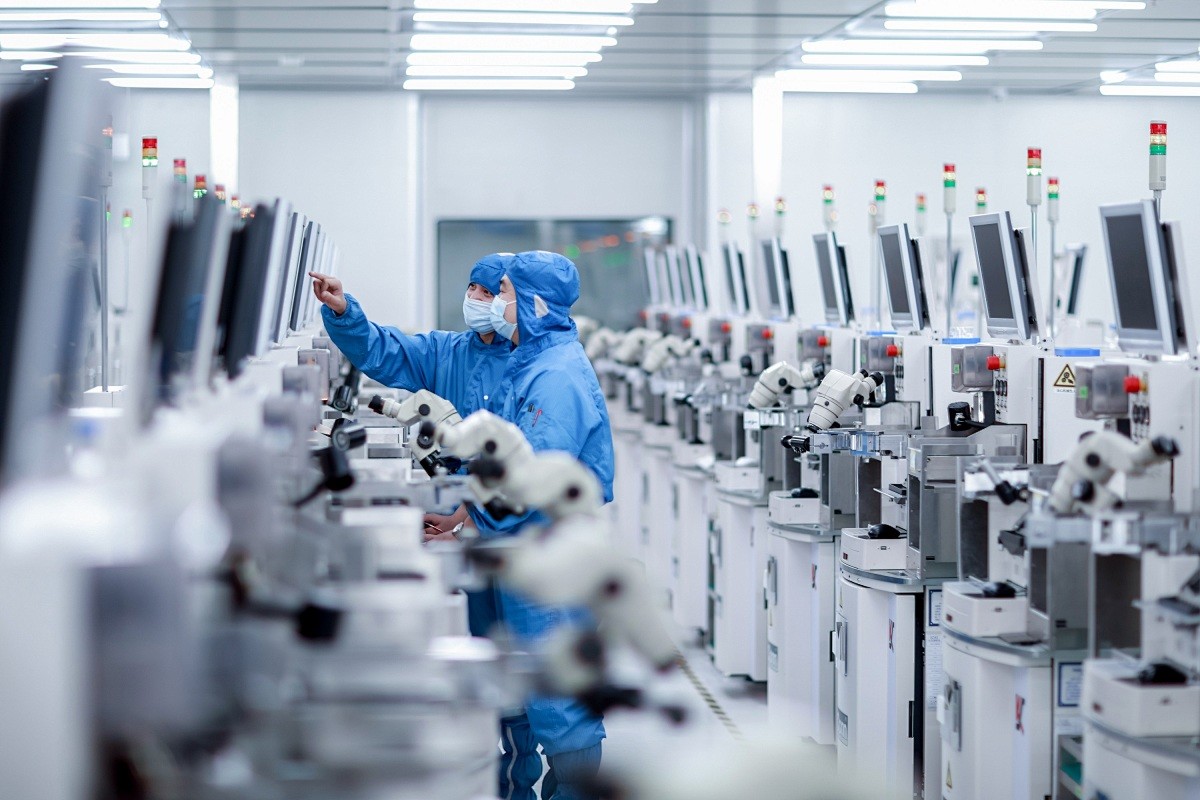
In the realm of PCB manufacturing, after-sales support is often the unsung hero that can make or break a company's experience with their equipment. When investing in printed circuit assembly machinery, it’s crucial to consider not just the initial purchase but also the ongoing support that comes with it. Reliable technical support and maintenance ensure that your circuit board production runs smoothly and efficiently, minimizing downtime and maximizing productivity.
Importance of Technical Support and Maintenance
Technical support is essential in the world of printed circuit board manufacturing, where precision and reliability are non-negotiable. Equipment malfunctions or breakdowns can lead to costly delays in production, making robust maintenance programs invaluable for manufacturers. By having access to knowledgeable technicians who understand PCB equipment intricacies, businesses can quickly resolve issues and maintain high-quality standards in their circuit board manufacturing processes.
Routine maintenance also plays a critical role in extending the lifespan of PCB equipment. Regular check-ups help identify potential problems before they escalate into major failures, ensuring that your printed circuit assembly lines remain operational without interruption. This proactive approach not only saves time but also reduces repair costs over time, providing a significant return on investment for manufacturers focused on quality.
Bensun's Commitment to Customer Service
Bensun Technology Co., Ltd. stands out for its unwavering commitment to customer service within the PCB manufacturing industry. Their dedicated team provides comprehensive technical support tailored to meet the unique needs of each client using their advanced PCB equipment. By prioritizing customer satisfaction, Bensun ensures that users feel supported throughout their journey—from installation through ongoing operation—making them a preferred choice among circuit board manufacturers.
Moreover, Bensun understands that effective communication is key to excellent service; they offer multiple channels for customers to reach out for assistance or guidance regarding their printed circuit assembly processes. This accessibility fosters strong relationships between clients and manufacturers while enhancing overall user experience with their products. With such dedication to after-sales support, Bensun positions itself as a reliable partner in navigating the complexities of modern printed circuit manufacturing.
Training Options for PCB Equipment Users
In addition to technical support, training options are vital for users of PCB equipment who wish to maximize their operational efficiency and skill set within printed circuit assembly environments. Bensun offers comprehensive training programs designed specifically for various levels of expertise—from beginners learning about basic operations to seasoned professionals seeking advanced techniques in circuit board production processes. These programs empower users by equipping them with essential knowledge about maintaining quality standards while operating sophisticated machinery.
Furthermore, hands-on training sessions ensure that users become familiar with all aspects of their pcb equipment—from setup and calibration through troubleshooting common issues—enabling them to work confidently within any production environment. Well-trained personnel can significantly reduce errors during assembly while improving overall output quality in printed circuit board manufacturing operations. Investing in user education ultimately leads to enhanced productivity and a more competent workforce capable of adapting swiftly as technology evolves.
Considering Cost and ROI

When diving into the world of PCB equipment, understanding the cost versus quality balance is crucial for any manufacturer. Investing in high-quality printed circuit assembly tools can often feel like a hefty expenditure upfront; however, skimping on quality can lead to costly mistakes down the line. The key lies in recognizing that a well-chosen piece of equipment not only enhances production efficiency but also contributes to better product reliability, ultimately saving money in the long run.
Balancing Budget with Quality PCB Equipment
Finding that sweet spot between budget constraints and quality PCB equipment can be quite the juggling act. Manufacturers must assess their needs carefully, ensuring they don’t compromise on essential features simply to save a few bucks. Remember, investing in superior printed circuit board manufacturing technology may seem steep initially, but it can significantly reduce defects and rework costs associated with lower-quality alternatives.
Long-term Savings with Reliable Circuit Board Equipment
Reliable circuit board manufacturing equipment pays off over time by minimizing downtime and enhancing productivity. When your printed circuit assembly processes run smoothly without frequent interruptions or breakdowns, you not only save on repair costs but also improve your overall output efficiency. This translates into long-term savings that far outweigh initial investments—making reliable PCB equipment an intelligent choice for savvy manufacturers.
Understanding Total Cost of Ownership
The total cost of ownership (TCO) is an often-overlooked aspect when evaluating PCB manufacturing equipment. TCO encompasses not just the purchase price but also maintenance expenses, energy consumption, and potential downtime costs throughout the equipment's lifespan. By analyzing these factors comprehensively, manufacturers can make informed decisions that reflect true value rather than just sticker shock—a crucial step in ensuring sustainable growth within printed circuit manufacturing.
Conclusion
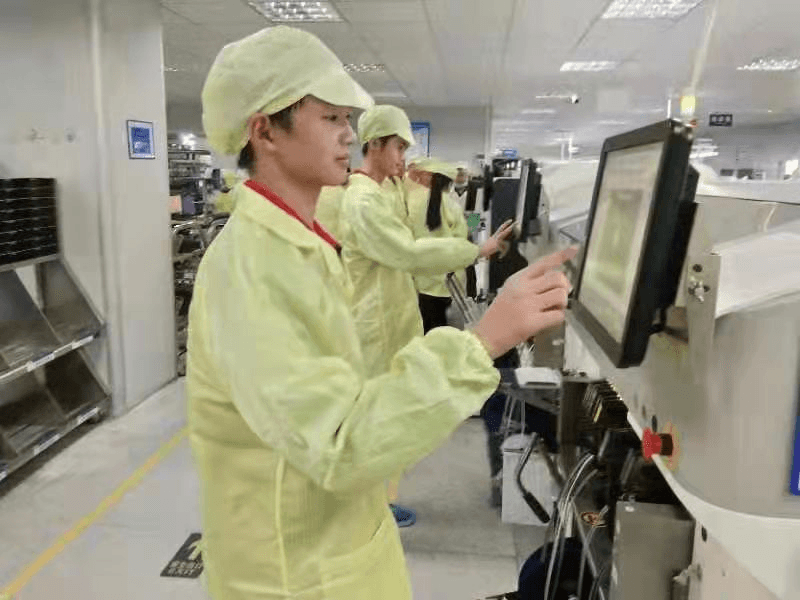
In the world of printed circuit board manufacturing, making informed decisions is crucial for success. The quality of your PCB equipment can significantly influence the reliability and performance of your circuit boards. Therefore, prioritizing manufacturer reputation, investing in advanced technology, and ensuring robust after-sales support are key factors that can lead to long-term benefits.
Prioritizing Manufacturer Reputation
When it comes to selecting PCB equipment, the reputation of the manufacturer should be at the forefront of your decision-making process. A well-respected name in circuit board manufacturing often signifies a commitment to quality and innovation in printed circuit assembly. By choosing a reputable manufacturer like Bensun Technology Co., Ltd., you not only gain access to superior products but also benefit from their experience and industry standing.
Investing in Advanced Technology
Investing in advanced technology for your PCB equipment is not just about keeping up with trends; it's about future-proofing your operations. Automation and AI integration are transforming printed circuit manufacturing, enhancing precision and efficiency while reducing human error. By embracing these innovations, manufacturers can improve their production processes and ensure that their ckt boards meet or exceed industry standards.
Ensuring Robust After-Sales Support
After-sales support is an often-overlooked aspect of purchasing PCB equipment that can make or break your experience as a user. Reliable technical support ensures that any issues with your circuit board manufacturing processes are promptly addressed, minimizing downtime and maximizing productivity. Bensun's commitment to customer service includes comprehensive training options for users, empowering them to fully leverage their investment in high-quality printed circuit board manufacturing equipment.