
Introduction

In the fast-paced world of circuit board manufacturing, ensuring quality is paramount. One of the most effective tools in achieving this is SMT AOI (Surface Mount Technology Automated Optical Inspection). By harnessing the power of advanced inspection techniques, manufacturers can significantly enhance the reliability and performance of their printed circuit boards (PCBs).
Understanding SMT AOI Benefits
SMT AOI offers a plethora of benefits that streamline the PCB manufacturing process. It allows for real-time detection of defects during production, minimizing waste and reducing costly rework associated with solder paste inspection failures. The integration of this technology not only boosts efficiency but also fosters a culture of quality within manufacturing environments.
Importance of Quality in PCB Manufacturing
Quality control is vital in PCB board manufacturing as it directly impacts product performance and longevity. Defective boards can lead to malfunctions that compromise entire systems, making rigorous inspection processes essential to maintain industry standards. By prioritizing quality through methods like optical inspection, manufacturers can ensure their products meet both consumer expectations and regulatory requirements.
Overview of the SMT AOI Process
The SMT AOI process involves a series of automated inspections designed to identify defects early in production. Utilizing sophisticated algorithms and high-resolution imaging, it examines solder joints, component placements, and other critical features on PCBs with remarkable accuracy. This proactive approach not only enhances overall product quality but also positions manufacturers favorably in an increasingly competitive market.
What is SMT AOI?

In the realm of printed circuit board (PCB) manufacturing, SMT AOI, or Surface Mount Technology Automated Optical Inspection, plays a pivotal role in ensuring quality and reliability. This advanced inspection technology utilizes high-resolution cameras and sophisticated algorithms to detect defects on circuit boards after assembly. By integrating SMT AOI into the manufacturing process, companies can significantly enhance their solder paste inspection and overall product quality.
Definition and Key Features
SMT AOI is an automated method that employs optical imaging to examine assembled PCBs for potential defects such as misaligned components, solder issues, or foreign objects. Key features include real-time inspection capabilities, high-speed processing, and the ability to analyze complex patterns on circuit boards with precision. This technology not only identifies defects but also provides valuable data for continuous improvement in PCB manufacturing processes.
Role in Circuit Board Manufacturing
The role of SMT AOI in circuit board manufacturing cannot be overstated; it acts as a crucial checkpoint that ensures each PCB meets stringent quality standards before moving further down the production line. By catching defects early—such as issues with solder paste application—manufacturers can reduce waste and mitigate costly rework or recalls later on. Ultimately, implementing SMT AOI leads to higher yields and improved reliability of finished products in the competitive landscape of PCB board manufacturing.
Comparison with Other Inspection Methods
When comparing SMT AOI to traditional inspection methods like manual visual checks or X-ray inspections, several advantages become apparent. While manual inspections are prone to human error and can be time-consuming, SMT AOI offers a faster and more consistent approach to identifying defects across multiple PCBs simultaneously. Additionally, unlike X-ray inspections that may be limited by component types or thicknesses, optical inspection techniques used in SMT AOI are versatile enough to handle various PCB configurations without compromising accuracy.
The Mechanics of Solder Paste Inspection
Solder paste inspection (SPI) is a critical aspect of the SMT AOI process that ensures the quality and reliability of solder joints on printed circuit boards (PCBs). Quality solder connections are essential for optimal performance in circuit board manufacturing, as they directly affect the electrical and mechanical properties of the final product. By integrating effective solder paste inspection techniques, manufacturers can significantly reduce defects and enhance overall efficiency in PCB manufacturing.
Importance of Solder Quality
The quality of solder is paramount in ensuring that electronic components are securely attached to circuit boards. Poor solder quality can lead to various issues, including weak connections, increased resistance, and ultimately, board failures. In printed circuit board manufacturing, achieving high-quality solder joints not only improves product reliability but also minimizes costly rework and enhances customer satisfaction.
Techniques Used in Solder Paste Inspection
Several techniques are employed during solder paste inspection to assess the quality of the applied solder paste before component placement. Automated optical inspection (AOI) systems are widely used to detect defects such as insufficient or excessive solder application, alignment errors, and other anomalies that could compromise performance. Additionally, 3D SPI systems provide detailed measurements of paste height and volume, offering an extra layer of assurance in the PCB manufacturing process.
How Bensun Technology Enhances This Process
Bensun Technology stands at the forefront of enhancing solder paste inspection through its innovative solutions tailored for modern PCB manufacturing needs. Their advanced optical inspection systems leverage cutting-edge algorithms to accurately detect discrepancies in solder application while minimizing false positives. By incorporating Bensun’s technology into the SMT AOI workflow, manufacturers can achieve unparalleled precision in their inspections, leading to improved yield rates and reduced production costs.
Optical Inspection Techniques Explained
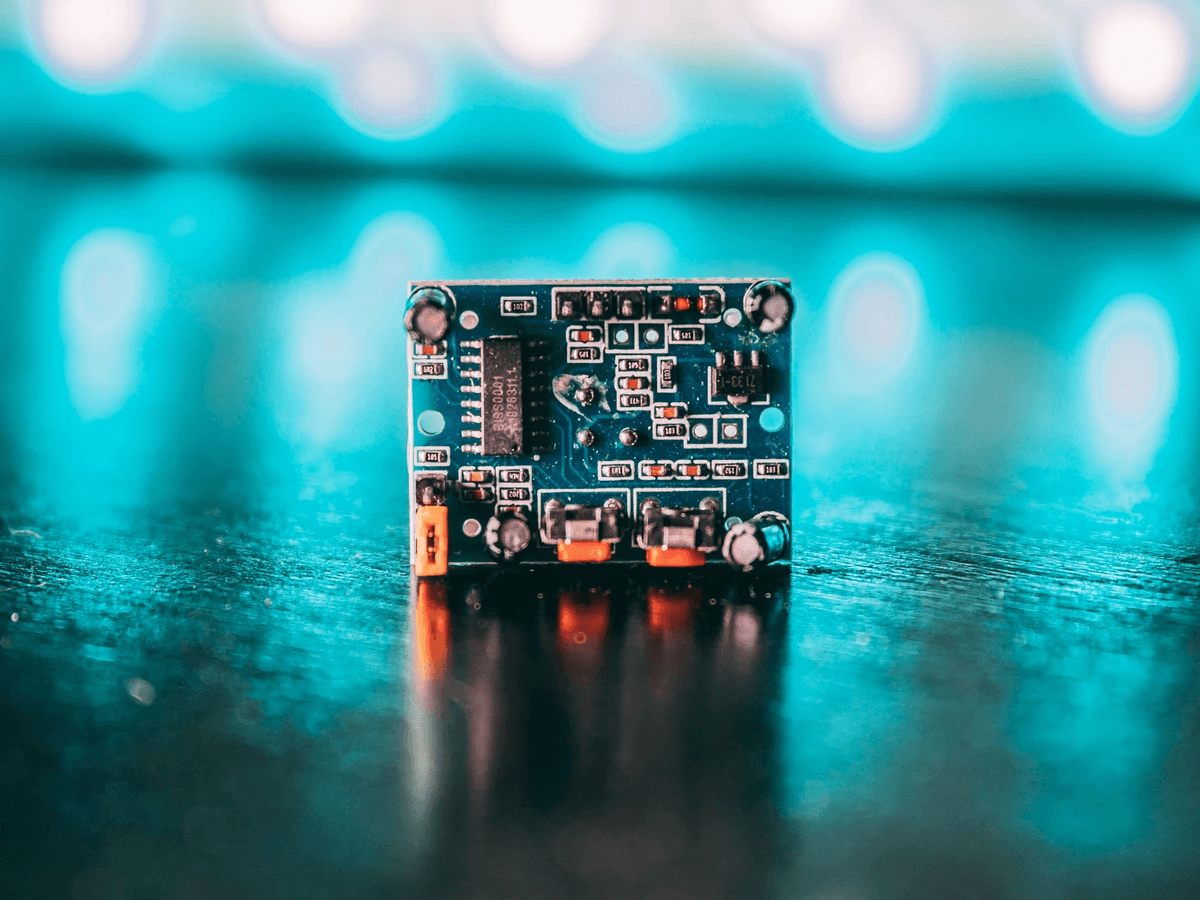
In the realm of PCB manufacturing, optical inspection techniques play a crucial role in ensuring the quality and reliability of printed circuit boards. These methods leverage advanced imaging technologies to detect defects and anomalies that traditional inspection methods might miss. By integrating optical inspection into the circuit board manufacturing process, companies can enhance their SMT AOI systems and achieve higher standards of quality control.
Overview of Optical Inspection in PCB Manufacturing
Optical inspection involves the use of cameras and sophisticated algorithms to analyze the physical attributes of a PCB board during various stages of production. This technology is pivotal for tasks such as solder paste inspection, where it checks for proper solder application before components are placed on the circuit board. By employing high-resolution imaging techniques, manufacturers can identify issues like insufficient solder or misaligned components early in the printed circuit board manufacturing process, reducing rework and enhancing overall efficiency.
Advantages Over Traditional Inspection Methods
One major advantage of optical inspection over traditional methods is its speed and accuracy; it can quickly scan large areas without human error or fatigue impacting results. Unlike manual inspections that rely heavily on human judgment, optical systems provide consistent evaluations based on predefined criteria, resulting in improved defect detection rates. Moreover, these systems can easily be integrated with SMT AOI processes, creating a seamless workflow that significantly reduces production downtime while increasing throughput in PCB manufacturing.
Bensun's Optical Inspection Solutions
Bensun offers cutting-edge optical inspection solutions designed specifically for modern PCB manufacturing challenges. Their systems utilize state-of-the-art imaging technology to perform detailed inspections that encompass both solder paste inspection and full component verification on circuit boards. With features like real-time data analysis and adaptive learning capabilities, Bensun's solutions not only streamline the quality control process but also ensure that manufacturers remain at the forefront of innovation in printed circuit board manufacturing.
Integration of SMT AOI in PCB Production

Integrating SMT AOI into the PCB production process is a game-changer for manufacturers looking to enhance efficiency and quality. By leveraging advanced technologies like solder paste inspection and optical inspection, manufacturers can streamline operations while ensuring that every circuit board meets stringent quality standards. The result is a significant improvement in the overall workflow, reducing time spent on manual inspections and rework.
Streamlining the Manufacturing Process
SMT AOI plays a crucial role in streamlining the manufacturing process by automating critical inspection tasks that were once labor-intensive. With real-time feedback during printed circuit board manufacturing, operators can quickly identify issues related to solder paste application or component placement without halting production. This seamless integration not only speeds up the workflow but also minimizes bottlenecks, allowing for a more efficient PCB manufacturing cycle.
Moreover, incorporating SMT AOI means fewer human errors during inspections, leading to consistent quality across all circuit boards produced. As machines take over repetitive tasks like solder paste inspection, human resources can be redirected toward more complex problem-solving activities that require creativity and innovation. This shift not only boosts productivity but also fosters an environment where continuous improvement becomes part of the company culture.
Reducing Defects in Printed Circuit Board Manufacturing
One of the most significant advantages of integrating SMT AOI into PCB board manufacturing is its ability to drastically reduce defects. By utilizing cutting-edge optical inspection techniques, manufacturers can detect minute errors that could lead to catastrophic failures later on in the product lifecycle. Early identification of these issues allows teams to correct problems before they escalate into costly rework or product recalls.
The precision offered by SMT AOI ensures that every aspect of solder paste application meets specified criteria, significantly lowering defect rates associated with poor solder joints or misplaced components. Furthermore, with detailed analytics generated from each inspection cycle, manufacturers gain valuable insights into recurring issues within their processes—enabling targeted improvements over time. Ultimately, this focus on quality translates directly into enhanced customer satisfaction and loyalty.
Real-World Applications of SMT AOI
The real-world applications of SMT AOI are as diverse as they are impactful across various sectors within PCB manufacturing. Leading electronics companies have adopted this technology not just for its efficiency but also for its ability to maintain high-quality standards in competitive markets. From consumer electronics to automotive components, organizations are seeing tangible benefits from integrating advanced inspection systems into their workflows.
For instance, companies engaged in high-volume printed circuit board manufacturing have reported substantial reductions in scrap rates due to early defect detection facilitated by SMT AOI systems. Additionally, industries focused on mission-critical applications—such as aerospace and medical devices—rely heavily on this technology to ensure compliance with rigorous safety standards while maximizing operational efficiency. These case studies exemplify how adopting innovative solutions like SMT AOI can revolutionize traditional practices within PCB production.
Case Studies: Success Stories in PCB Manufacturing
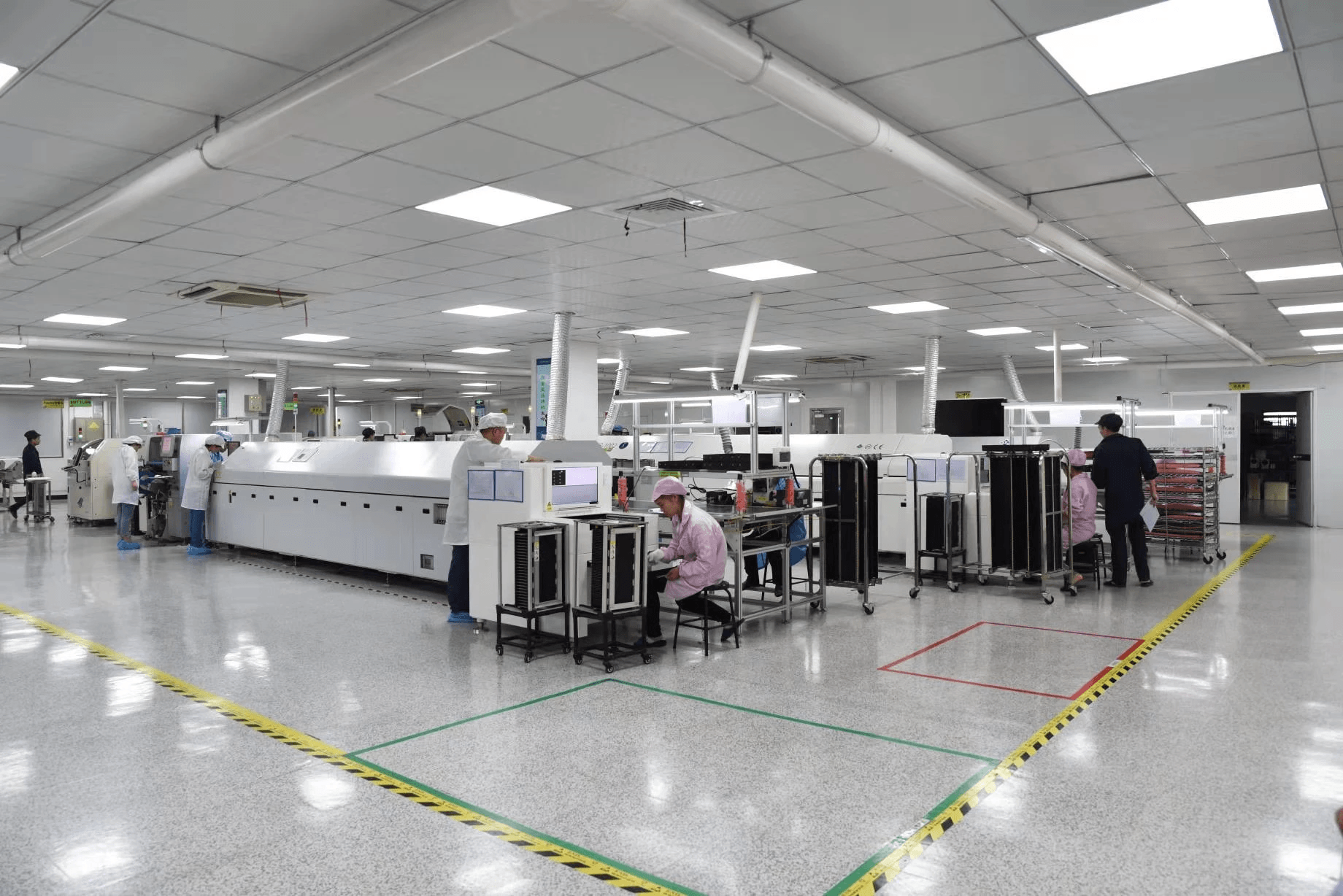
In the ever-evolving world of printed circuit board manufacturing, SMT AOI has emerged as a game changer. Companies that have adopted this technology not only improve their quality control processes but also enhance overall efficiency. Let’s explore how leading players in the industry are leveraging SMT AOI to revolutionize their operations.
Leading Companies Utilizing SMT AOI
Several prominent names in the PCB manufacturing sector have integrated SMT AOI into their production lines with remarkable success. For instance, a well-known electronics manufacturer has reported significant improvements after implementing advanced solder paste inspection and optical inspection techniques. By incorporating these technologies, they have minimized defects and streamlined their circuit board manufacturing processes.
Another notable example is a global leader in automotive electronics that utilizes SMT AOI to ensure high-quality standards across its extensive product range. Their commitment to precision in circuit board production has led them to adopt state-of-the-art optical inspection solutions, enhancing both reliability and safety in their products. These companies demonstrate how embracing innovation can lead to substantial benefits in the competitive landscape of PCB board manufacturing.
Measurable Improvements in Quality and Efficiency
The measurable improvements from implementing SMT AOI are nothing short of impressive. One case study highlighted a 30% reduction in defects attributed to enhanced solder paste inspection capabilities, which directly correlates with increased customer satisfaction and lower return rates. Furthermore, companies utilizing optical inspection techniques have reported up to 40% faster production cycles, allowing for quicker time-to-market without compromising quality.
In addition to defect reduction, the integration of SMT AOI has led to significant cost savings associated with rework and material waste during printed circuit board manufacturing. By catching issues early on through effective inspections, manufacturers can avoid costly errors down the line while optimizing resource utilization. These measurable outcomes underscore the value of investing in advanced technologies like SMT AOI for long-term success.
Lessons Learned from Successful Implementations
The journey toward successful implementation of SMT AOI is not without its lessons learned along the way. First and foremost, it’s crucial for manufacturers to invest time in training staff on new technologies such as solder paste inspection and optical inspection systems; proper understanding ensures maximum effectiveness during operation. Additionally, companies must remain adaptable—technology advances rapidly—and staying updated will keep them ahead of competitors.
Moreover, collaboration with technology partners like Bensun can provide invaluable insights into best practices for integrating these systems within existing workflows effectively. Sharing experiences among industry peers also fosters an environment where lessons learned can be translated into actionable strategies for improvement across various sectors of PCB manufacturing. Ultimately, these insights pave the way for continuous improvement within organizations striving for excellence.
Conclusion

In the ever-evolving landscape of printed circuit board manufacturing, enhancing quality through SMT AOI is no longer a luxury; it’s a necessity. The integration of advanced inspection technologies has transformed how we approach circuit board quality assurance, ensuring that every solder joint and component placement meets the highest standards. By adopting these innovative solutions, manufacturers can significantly reduce defects and improve overall efficiency in PCB production.
Enhancing Quality with SMT AOI
SMT AOI serves as a critical checkpoint in the PCB manufacturing process, allowing for real-time assessment of solder paste application and component placement accuracy. With its ability to detect anomalies that might escape traditional inspection methods, SMT AOI ensures that only top-notch circuit boards make it to market. This level of scrutiny not only boosts product reliability but also enhances customer satisfaction, leading to long-term loyalty.
The Future of PCB Manufacturing Technologies
Looking ahead, the future of PCB manufacturing technologies is set to be dominated by further advancements in automation and artificial intelligence. The integration of smarter optical inspection systems will enable even more precise monitoring of production processes, making solder paste inspection faster and more reliable than ever before. As manufacturers embrace these cutting-edge technologies, we can expect a significant leap in efficiency and quality across the entire industry.
Partnering with Bensun for Optimal Performance
Choosing to partner with Bensun means aligning with a leader in SMT AOI technology that understands the nuances of modern PCB manufacturing challenges. Their commitment to innovation ensures that clients benefit from state-of-the-art optical inspection solutions tailored to their specific needs. By collaborating with Bensun, manufacturers can unlock new levels of performance and maintain a competitive edge in an increasingly demanding market.