
Introduction
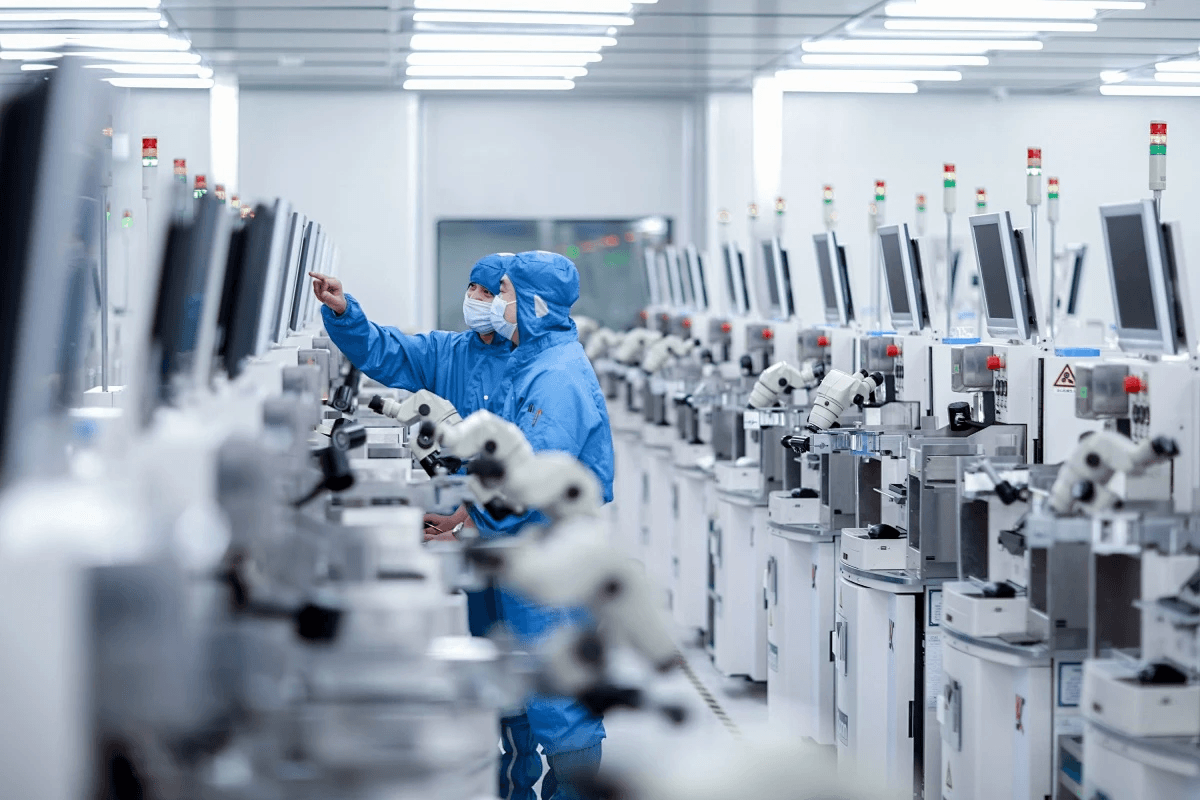
In the fast-paced world of electronics, the significance of high-quality PCB assembly equipment cannot be overstated. Printed circuit assembly (PCA) is the backbone of modern electronic devices, ensuring that all components work harmoniously on a circuit card assembly. Choosing the right equipment for PCB manufacturing and assembly is crucial, as it directly affects product quality and production efficiency.
Overview of PCB Assembly Equipment
PCB assembly equipment encompasses a range of machines and tools designed to streamline the process of assembling printed circuit boards (PCBs). This includes pick and place machines, reflow ovens, and automated inspection systems that work together to create reliable pcb assembly boards. Understanding the various types of equipment available allows manufacturers to optimize their processes for better performance in pcb manufacturing and assembly.
Importance of Choosing the Right Equipment
Selecting appropriate pcb assembly equipment is vital for achieving consistent quality in electronic products. The right tools not only enhance productivity but also minimize errors during circuit card assembly, ultimately saving time and costs in production. Investing in advanced technology ensures that manufacturers can keep up with industry standards while meeting customer demands for high-quality pcbs.
Innovations in PCB Manufacturing and Assembly
The landscape of PCB manufacturing and assembly is constantly evolving due to rapid technological advancements. Innovations such as automation, artificial intelligence, and smart manufacturing are reshaping how we approach printed circuit assemblies today. Staying abreast of these developments allows manufacturers to adapt their processes accordingly, ensuring they remain competitive in a crowded market.
Essential PCB Assembly Equipment
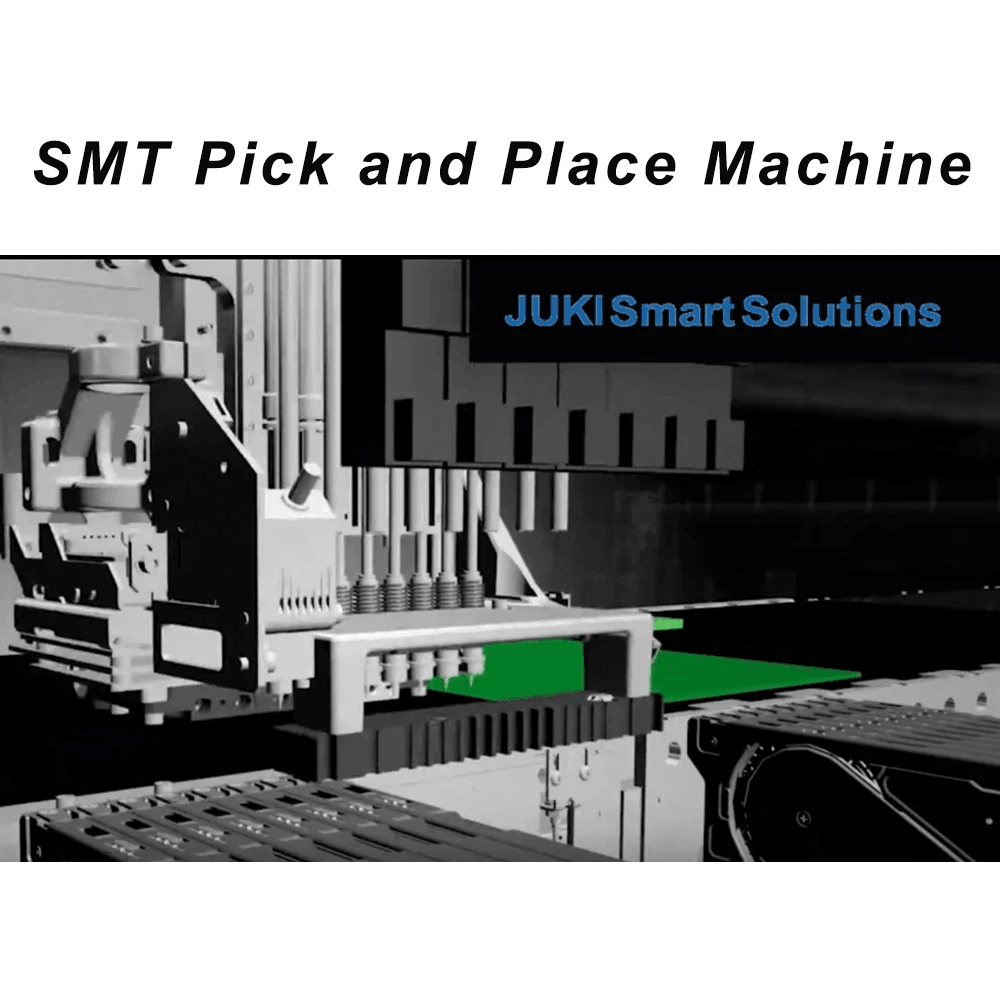
When it comes to printed circuit assembly, selecting the right PCB assembly equipment is crucial for ensuring efficiency and quality. The landscape of PCB manufacturing and assembly has evolved, introducing machines that not only enhance precision but also streamline processes. Understanding the essential tools in this arena can significantly impact the overall success of circuit card assembly.
JUKI Pick and Place Machines
JUKI Pick and Place machines are a cornerstone in modern PCB assembly equipment, renowned for their speed and accuracy. These machines automate the placement of components onto the pcb assembly board, reducing human error and increasing throughput. With advanced features like vision systems and flexible configurations, JUKI machines cater to various production needs, making them indispensable in pcb manufacturing assembly.
The versatility of JUKI Pick and Place machines allows them to handle different component sizes and types, from tiny surface mount devices to larger through-hole parts. This adaptability is particularly beneficial for manufacturers producing a diverse range of products on a single line. As the demand for more complex circuit card assemblies grows, investing in high-quality pick-and-place technology becomes even more critical.
Moreover, JUKI's commitment to innovation ensures that their machines remain at the forefront of technology in pcb manufacturing and assembly. With continuous improvements in speed, accuracy, and ease of use, these machines not only enhance operational efficiency but also contribute to higher product quality. In an industry where precision matters immensely, choosing reliable equipment like JUKI can make all the difference.
Reflow Ovens and Their Impact
Reflow ovens play a pivotal role in the soldering process during printed circuit assembly by providing controlled heat profiles essential for melting solder paste on components placed on the pcb assembly board. These ovens ensure that solder joints are formed correctly without damaging sensitive electronic components—a delicate balance that’s vital for successful circuit card assembly. The impact of reflow ovens extends beyond just soldering; they influence overall product reliability by ensuring consistent thermal processes throughout production.
Modern reflow ovens come equipped with advanced features such as profiling software that allows manufacturers to customize temperature settings based on specific materials used in their pcbs. This capability helps optimize production cycles while minimizing defects associated with improper soldering techniques or thermal stress on components. As manufacturers strive for excellence in pcb manufacturing and assembly processes, integrating high-quality reflow ovens becomes paramount.
Additionally, advancements in energy efficiency have made contemporary reflow ovens more environmentally friendly compared to older models—an important consideration as sustainability becomes increasingly relevant within electronics manufacturing sectors. By investing in state-of-the-art reflow technology, companies not only enhance their operational efficiencies but also align with growing demands for sustainable practices within pcb manufacturing assembly frameworks.
Automated Inspection Machines
Automated inspection machines are crucial players in maintaining quality assurance throughout the entire process of printed circuit assembly—from component placement through final testing stages on a completed pcb assembly board. These systems utilize sophisticated imaging technologies such as AOI (Automated Optical Inspection) to detect defects like misaligned components or insufficient solder joints early on—before they escalate into costly issues down the line during circuit card assemblies.
Incorporating automated inspection into your workflow enhances confidence during production runs by ensuring every board meets stringent quality standards before leaving your facility—a significant advantage over manual inspection methods prone to human error fatigue over time! Furthermore, these machines provide valuable data analytics post-inspection which can be leveraged for continuous improvement initiatives within your overall pcb manufacturing and assembly processes.
As technology advances further into automation realms across industries—including electronics—the role played by automated inspection systems will only grow more vital moving forward! Manufacturers eager to stay ahead must prioritize adopting these innovative solutions if they wish not only meet current market demands but also prepare themselves adequately against future challenges facing modern-day pcb manufacturing assemblies today!
The Role of SMT Equipment in PCB Assembly
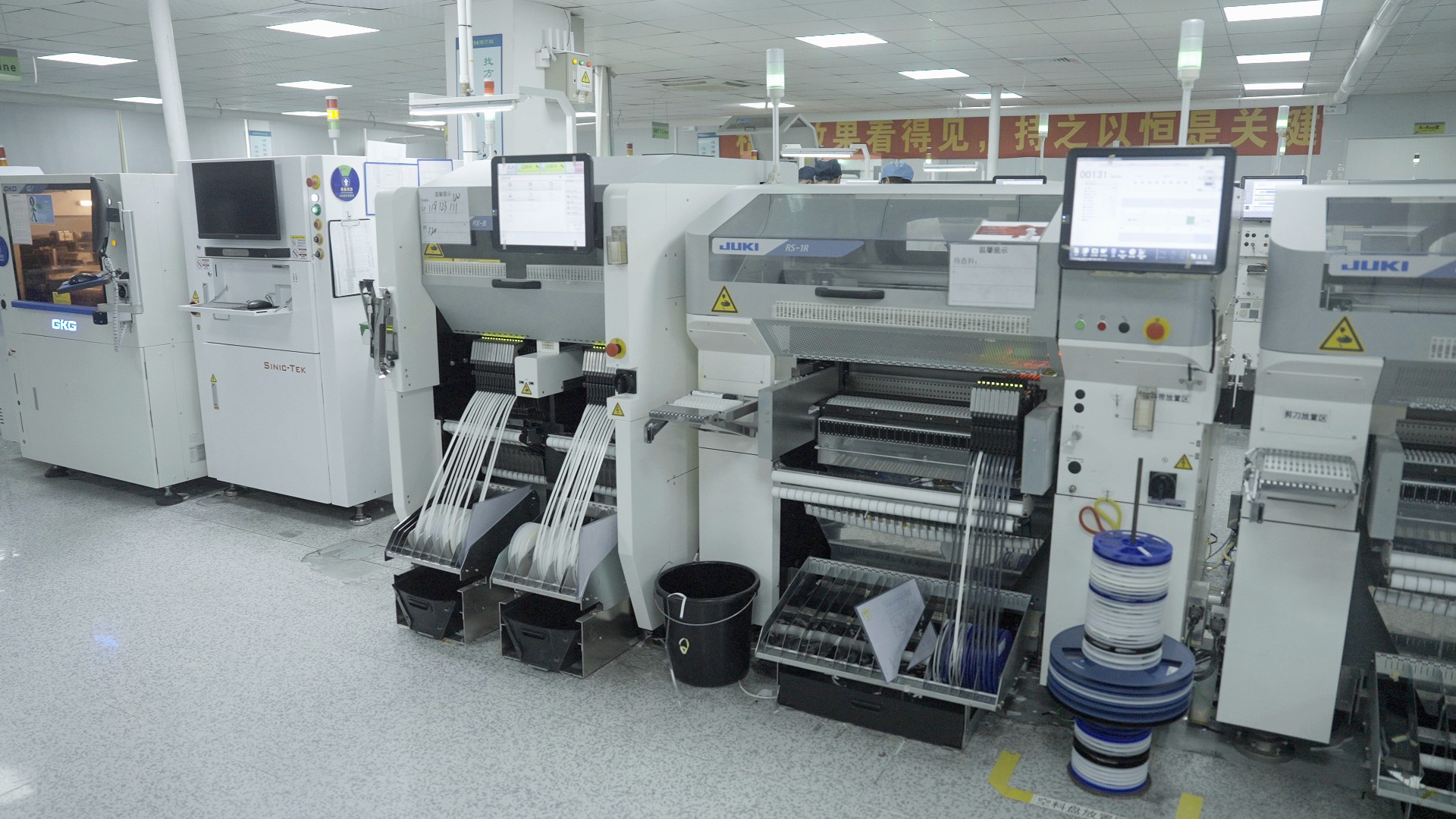
In the realm of PCB manufacturing and assembly, Surface Mount Technology (SMT) equipment plays a pivotal role in enhancing efficiency and precision. By streamlining production processes, SMT equipment allows manufacturers to produce high-quality printed circuit assemblies at a faster rate. This is crucial in today's fast-paced electronics market, where speed and accuracy are paramount for success.
Streamlining Production Processes
SMT equipment significantly simplifies the workflow involved in circuit card assembly. Automated systems, such as pick-and-place machines, enable rapid placement of components onto the pcb assembly board, minimizing human error while maximizing throughput. This automation not only reduces labor costs but also ensures consistency across multiple runs of printed circuit assembly, leading to higher quality products.
Moreover, the integration of SMT equipment into the pcb manufacturing and assembly process allows for real-time monitoring and adjustments. Manufacturers can quickly identify bottlenecks or issues during production, enabling them to respond dynamically to challenges as they arise. This adaptability is essential for maintaining competitive advantage in an industry that demands both speed and precision.
Benefits of Surface Mount Technology
The benefits of surface mount technology extend far beyond mere efficiency; they also include improved performance characteristics for electronic devices. SMT components are typically smaller than their through-hole counterparts, allowing for more compact designs on the pcb assembly board. This miniaturization opens up new possibilities for innovation in product design while reducing material costs.
Additionally, surface mount technology contributes to enhanced electrical performance due to shorter lead lengths and reduced parasitic capacitance and inductance. These factors result in better signal integrity—a critical aspect for modern electronics that often operate at high frequencies. Consequently, manufacturers utilizing advanced pcb manufacturing assembly techniques can deliver products that meet stringent performance standards.
Furthermore, adopting SMT can lead to significant reductions in production waste and energy consumption during the pcb manufacturing process. By optimizing component placement and minimizing excess materials used during assembly, companies can make strides toward sustainability without sacrificing quality or performance.
Key Players in SMT PCB Equipment
The landscape of SMT PCB equipment is populated by several key players who have established themselves as leaders through innovation and reliability. Companies like JUKI are renowned for their state-of-the-art pick-and-place machines that enhance efficiency in printed circuit assembly processes worldwide. Their commitment to advancing technology ensures that customers receive cutting-edge solutions tailored to their needs.
Another prominent player is Panasonic, which offers a range of automated inspection machines designed to ensure quality control throughout the entire pcb manufacturing and assembly process. These systems help detect defects early on—saving time and resources by preventing flawed products from reaching consumers’ hands.
Lastly, YAMAHA has made significant contributions with its versatile solutions tailored specifically for high-speed applications within circuit card assembly environments. Their focus on integrating smart technologies into traditional processes exemplifies how key players are driving innovation forward within the industry.
Understanding Circuit Card Assembly
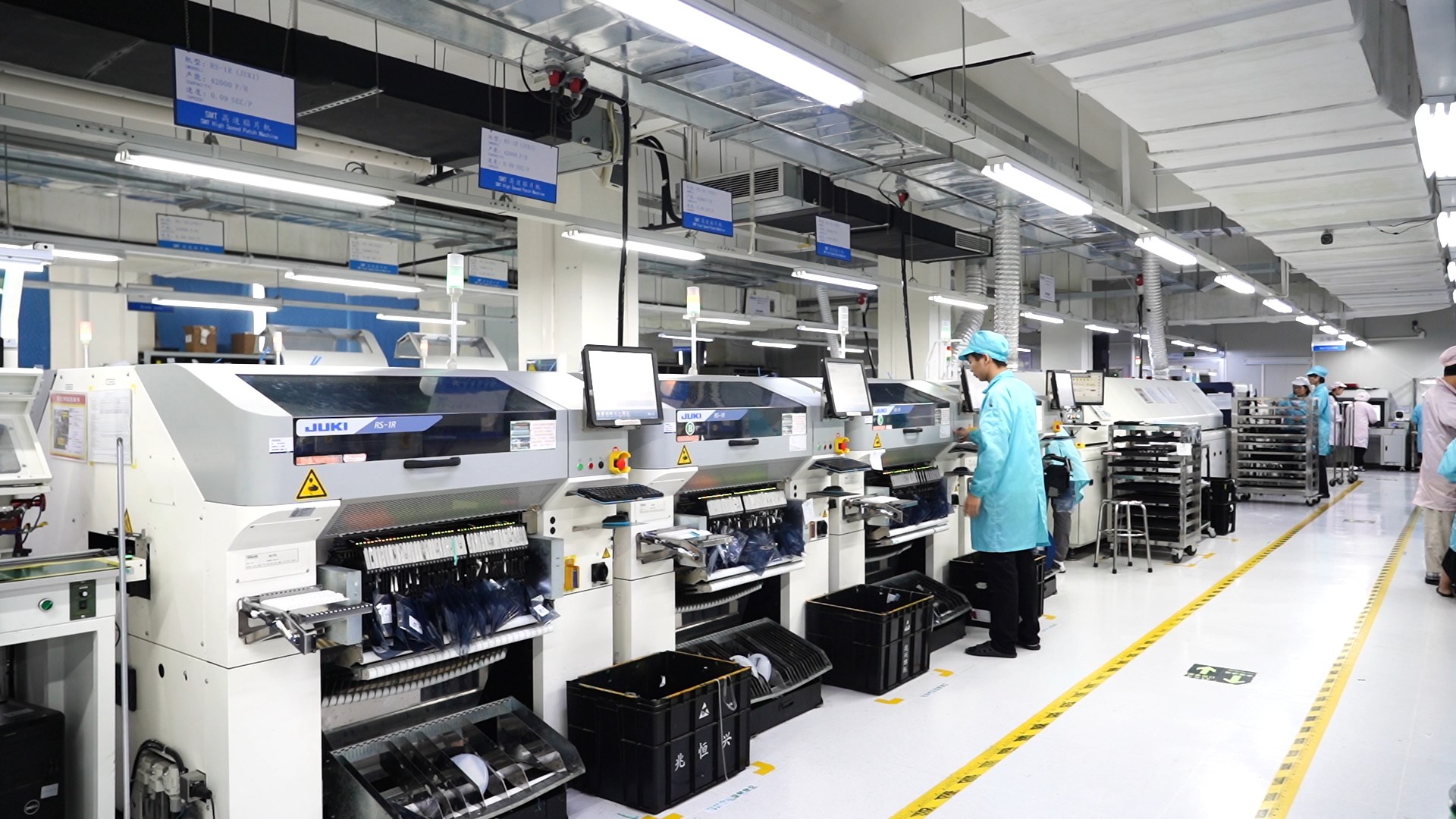
Circuit card assembly (CCA) is a critical process in the realm of PCB manufacturing and assembly, where various components are mounted onto a printed circuit board (PCB). This process transforms a bare board for circuit applications into a fully functional electronic device. Understanding the steps involved in circuit card assembly can significantly impact the efficiency and quality of your final product.
Steps Involved in Circuit Card Assembly
The journey of printed circuit assembly begins with design verification, ensuring that the schematic aligns with the intended application. Following this, components are accurately placed on the PCB using advanced pcb assembly equipment such as pick and place machines, which automate precise positioning for optimal performance. After placement, soldering techniques—like reflow or wave soldering—are employed to secure components firmly onto the pcb assembly board.
Once soldering is complete, automated inspection machines come into play to verify that all components are correctly installed and functioning as expected. This crucial step minimizes errors that could lead to costly rework or product failures down the line. Finally, thorough testing phases ensure that the assembled circuit card meets all specifications before it heads out for use in various electronic applications.
Best Practices for Quality Assurance
Quality assurance is paramount in pcb manufacturing and assembly; after all, no one wants their gadgets to malfunction! One best practice is implementing stringent inspection protocols at each stage of production; this includes visual inspections during component placement and automated checks post-soldering. Additionally, maintaining clean work environments free from contaminants can drastically reduce defects associated with dust or foreign particles on the pcb assembly board.
Another vital aspect involves keeping detailed records of each batch produced—tracking any anomalies can provide insights into potential issues before they escalate into larger problems. Regular training sessions for staff operating pcb assembly equipment also contribute significantly to minimizing human error during production processes. By fostering a culture of quality throughout every step of circuit card assembly, manufacturers can ensure their products meet high standards consistently.
Bensun’s Offering in Circuit Card Solutions
Bensun stands out as an industry leader in providing comprehensive solutions tailored specifically for circuit card assembly needs. With state-of-the-art pcb manufacturing and assembly capabilities, Bensun utilizes cutting-edge technology to streamline production while maintaining quality at every turn. Their expertise extends beyond just equipment; they offer consultation services that help clients optimize designs for manufacturability.
Moreover, Bensun's commitment to customer satisfaction means they collaborate closely with clients throughout every phase—from initial design discussions through final testing—to deliver custom solutions suited perfectly to unique requirements. With their robust offerings in printed circuit assemblies and dedication to excellence, partnering with Bensun ensures you have an ally who understands both technical challenges and market demands.
Choosing the Right PCB Manufacturing Assembly Partner
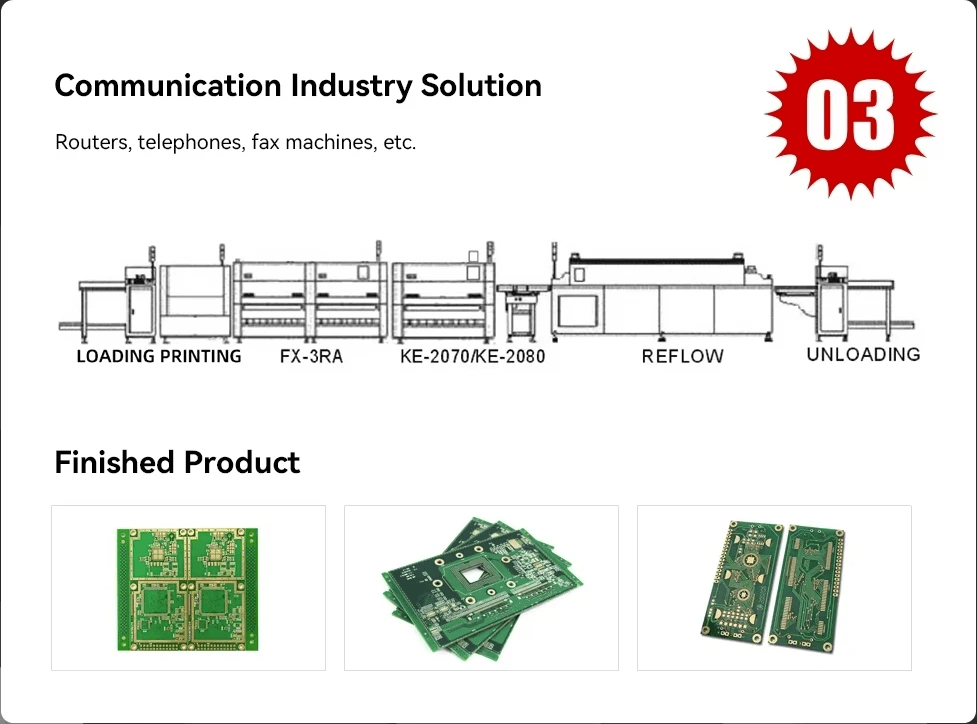
Selecting the right PCB manufacturing assembly partner is crucial for ensuring quality and efficiency in your printed circuit assembly processes. A reliable partner not only provides top-notch pcb assembly equipment but also understands the complexities of circuit card assembly and can adapt to your specific needs. With the right collaboration, you can enhance your product's performance and reliability, ultimately leading to greater customer satisfaction.
What to Look for in a Manufacturer
When searching for a manufacturer, it's essential to consider their experience with pcb manufacturing and assembly as well as their reputation in the industry. Look for a partner that utilizes advanced pcb assembly equipment and has a proven track record of delivering high-quality printed circuit assemblies on time. Additionally, ensure they have certifications that guarantee adherence to industry standards, which can be critical for your project's success.
A strong manufacturer should also offer flexibility in production capabilities, allowing them to handle both small runs and large-scale productions efficiently. This adaptability is vital when developing custom solutions tailored specifically for your project’s requirements. Ultimately, choosing a manufacturer with comprehensive expertise will save you time, money, and headaches down the road.
Importance of Collaboration in Design
Collaboration between manufacturers and clients during the design phase can significantly impact the outcome of your pcb manufacturing assembly process. By working closely together, you can identify potential issues early on and refine designs to optimize manufacturability while ensuring that all specifications are met precisely. This teamwork not only enhances efficiency but also fosters innovation in creating effective solutions tailored specifically for each project.
Moreover, having an open line of communication with your manufacturing partner allows you to stay updated on advancements in pcb assembly equipment that could benefit your project. These insights can lead to improved designs or even new features that set your product apart from competitors. Ultimately, collaborative design efforts result in better quality products that meet market demands more effectively.
Bensun: A Partner for Custom Solutions
Bensun stands out as an exceptional choice when looking for a partner specializing in circuit card assembly solutions tailored to meet unique requirements. With extensive experience in both pcb manufacturing and assembly processes, Bensun leverages state-of-the-art pcb assembly equipment designed to enhance production efficiency without sacrificing quality. Their commitment to customer collaboration ensures every project receives personalized attention from inception through delivery.
Additionally, Bensun's focus on innovation means they are continually updating their techniques and technologies within the realm of printed circuit assemblies—keeping pace with industry trends while meeting evolving customer needs effectively. Whether you're developing complex electronic devices or simple boards for circuits, Bensun is equipped to provide customized solutions that align perfectly with your vision while maintaining rigorous quality standards throughout production.
In conclusion, finding the right PCB manufacturing assembly partner like Bensun can make all the difference when it comes to realizing successful projects involving printed circuit assemblies or circuit card assemblies—ultimately leading toward superior products that resonate well within competitive markets.
Future Trends in PCB Manufacturing and Assembly
The landscape of PCB manufacturing and assembly is undergoing a transformative shift driven by technological advancements and market demands. As industries evolve, the focus on efficient, high-quality production methods becomes paramount. This section delves into the future trends shaping the realm of printed circuit assembly and highlights how these changes will influence the choice of PCB assembly equipment.
Advancements in Automation
Automation is revolutionizing the world of PCB manufacturing and assembly, making processes faster, more accurate, and cost-effective. With innovations like AI-driven machinery and robotics taking center stage, manufacturers can streamline their operations while minimizing human error. The integration of advanced automation technologies not only enhances productivity but also allows for greater flexibility in adapting to changing market needs for circuit card assembly.
As automation continues to advance, we can expect a significant reduction in lead times for producing complex boards for circuit applications. Automated systems are capable of handling intricate tasks such as soldering and inspection with unparalleled precision. Consequently, this trend is driving up demand for sophisticated pcb assembly equipment that can support these automated processes seamlessly.
Growing Demand for Smart Electronics
The surge in smart electronics is reshaping the landscape of PCB manufacturing assembly as consumers increasingly seek interconnected devices that enhance their daily lives. From smart home gadgets to wearable technology, the need for compact yet powerful pcb assembly boards has never been greater. This growing demand necessitates innovative solutions in printed circuit assembly that prioritize efficiency without compromising quality.
As manufacturers respond to this trend, they must adapt their processes to accommodate the unique requirements of smart electronics production. This includes investing in specialized equipment designed for high-density interconnections and advanced thermal management solutions essential for these compact devices. Ultimately, meeting this demand will require collaboration between manufacturers and designers to ensure seamless integration throughout the entire pcb manufacturing and assembly process.
Sustainable Practices in PCB Production
Sustainability is becoming a cornerstone principle within PCB manufacturing and assembly as companies recognize their responsibility towards environmental impact reduction. The adoption of eco-friendly materials and processes not only aligns with consumer preferences but also complies with increasing regulations regarding waste management in electronic production. Manufacturers are now focusing on sourcing recyclable materials while optimizing energy consumption across all stages of circuit card assembly.
Moreover, sustainable practices extend beyond material selection; they encompass efficient use of resources throughout pcb manufacturing assembly operations as well. Implementing closed-loop systems helps minimize waste generation while maximizing resource recovery during production cycles—an essential step towards a greener future in electronics manufacturing. As sustainability gains traction within industry standards, it’s clear that adopting these practices will be vital for any manufacturer looking to thrive long-term.
Conclusion
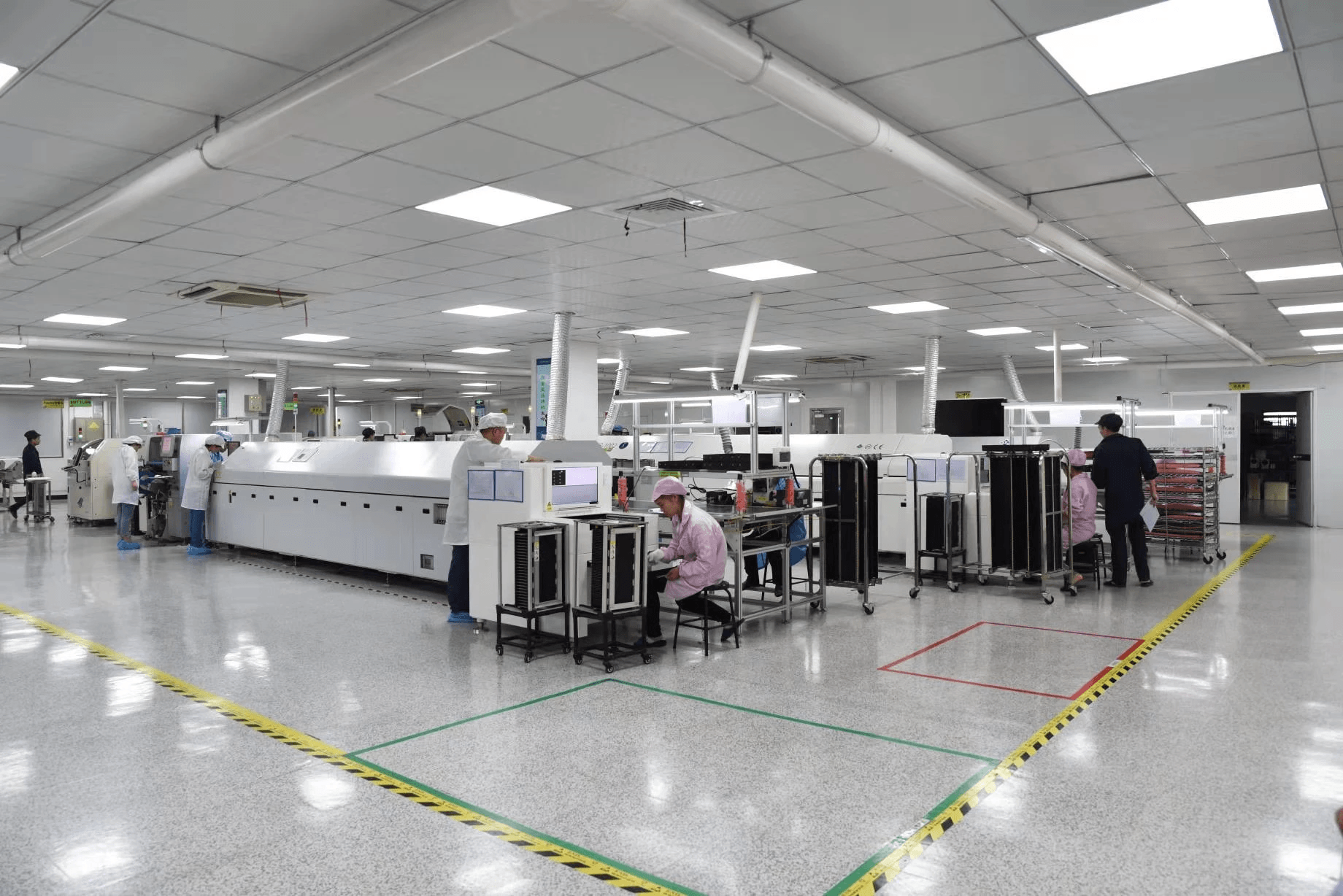
In the fast-paced world of electronics, the efficiency of PCB assembly equipment is paramount. As technology continues to evolve, manufacturers are tasked with optimizing their printed circuit assembly processes to meet rising demands. By leveraging advanced tools and techniques, companies can enhance productivity and reduce costs in their PCB manufacturing and assembly operations.
Maximizing Efficiency in PCB Assembly Equipment
To maximize efficiency in PCB assembly equipment, it's crucial to invest in state-of-the-art machinery that streamlines production workflows. Automated systems like JUKI pick and place machines significantly reduce manual labor while improving placement accuracy on the pcb assembly board. Furthermore, integrating automated inspection machines ensures high-quality standards are maintained throughout the circuit card assembly process, minimizing defects and waste.
Why Quality Matters in PCB Manufacturing
Quality is a non-negotiable element in pcb manufacturing and assembly that directly impacts product reliability and performance. A well-constructed board for circuit applications will not only function better but also contribute to longer product lifespans, reducing the need for costly repairs or replacements down the line. Hence, prioritizing quality assurance practices during printed circuit assembly is essential for building trust with clients and upholding a company’s reputation.
The Future of PCB Manufacturing and Assembly
Looking ahead, the future of PCB manufacturing and assembly appears bright with advancements in automation leading the charge for innovation. The growing demand for smart electronics necessitates more sophisticated solutions that can handle complex designs while maintaining high levels of efficiency on the pcb manufacturing assembly line. Additionally, sustainable practices are gaining traction within the industry as companies strive to minimize their environmental footprint while delivering top-notch products.