
Introduction
In the fast-paced world of electronics manufacturing, wave soldering machines play a pivotal role in ensuring efficient and reliable connections on printed circuit boards (PCBs). These sophisticated soldering machines utilize a unique process that allows for the simultaneous soldering of multiple components, making them ideal for high-volume production environments. As technology evolves, the importance of lead free solder has surged, driven by regulatory requirements and environmental considerations.
Understanding Wave Soldering Machines
Wave soldering is a technique that involves passing a PCB over a wave of molten solder, creating strong electrical connections with minimal defects. The key components of wave machines include a preheating zone, a solder wave generator, and an exit conveyor for cooled boards. This method is particularly advantageous for through-hole components but can also be integrated into surface-mount technology (SMT) processes.
Importance of Lead Free Solder
The transition to lead free solder is not just about compliance; it’s about embracing sustainable practices in manufacturing. Lead free options offer numerous benefits including reduced health risks and environmental impact while maintaining the integrity required for modern electronic devices. With increasing regulations worldwide mandating the use of lead free solutions, manufacturers must adapt their wave soldering processes accordingly.
Overview of BSTECH Solutions
BSTECH Solutions stands at the forefront of this transition by offering an extensive range of advanced wave soldering machines designed to meet diverse industry needs. Their equipment not only accommodates lead free solder but also features customization options tailored to specific applications in PCB and SMT soldering. By prioritizing quality and reliability, BSTECH ensures that customers maximize efficiency while staying compliant with evolving standards.
What Are Wave Soldering Machines?

Wave soldering machines are specialized equipment designed to automate the process of soldering electronic components onto printed circuit boards (PCBs). This technology plays a crucial role in modern manufacturing, particularly in the realm of PCB soldering, where efficiency and precision are paramount. By utilizing lead free solder, wave machines not only meet industry standards but also contribute to environmentally friendly practices.
The Basics of Wave Soldering
At its core, wave soldering is a process that involves passing a PCB over a wave of molten solder, allowing for rapid and uniform attachment of components. The technique is particularly effective for through-hole components, making it an essential method in electronics manufacturing. Compared to other methods like hand soldering or reflow processes used in SMT soldering, wave soldering offers significant speed and consistency.
The operation starts with the PCB being preheated to reduce thermal shock when it contacts the molten lead free solder. Once at the right temperature, the board is moved across a wave of liquid solder where it experiences minimal contact time while achieving optimal adhesion. This streamlined approach ensures that high volumes of PCBs can be processed efficiently without compromising quality.
Key Components of Wave Machines
Wave machines consist of several key components that work together seamlessly to achieve effective PCB assembly. The primary elements include a preheating zone, a fluxer for applying flux before soldering, and the actual wave nozzle that creates the molten solder wave. Each part plays an integral role in ensuring that the entire process runs smoothly and effectively.
The preheating zone warms up the PCBs before they encounter the molten lead free solder, which helps prevent damage due to thermal shock. Meanwhile, flux application is crucial as it cleans surfaces and improves wetting properties during wave soldering. Finally, the design of the wave nozzle can be adjusted depending on specific requirements such as component density or board thickness.
Applications in PCB Soldering
Wave soldering machines are primarily used in high-volume production environments where speed and reliability are essential for success in PCB assembly lines. They excel at handling various types of boards with through-hole components but can also accommodate some surface mount technology (SMT) applications when integrated properly with other systems. This versatility makes them indispensable tools for manufacturers aiming to optimize their production processes.
In addition to traditional electronics manufacturing, these machines find applications across diverse industries including automotive, telecommunications, and consumer electronics—where reliable connections are critical for device performance. With advancements in technology leading to more sophisticated designs and features within wave machines, manufacturers can expect improved efficiency while using lead free solutions tailored to meet evolving industry standards.
The Shift to Lead Free Solder
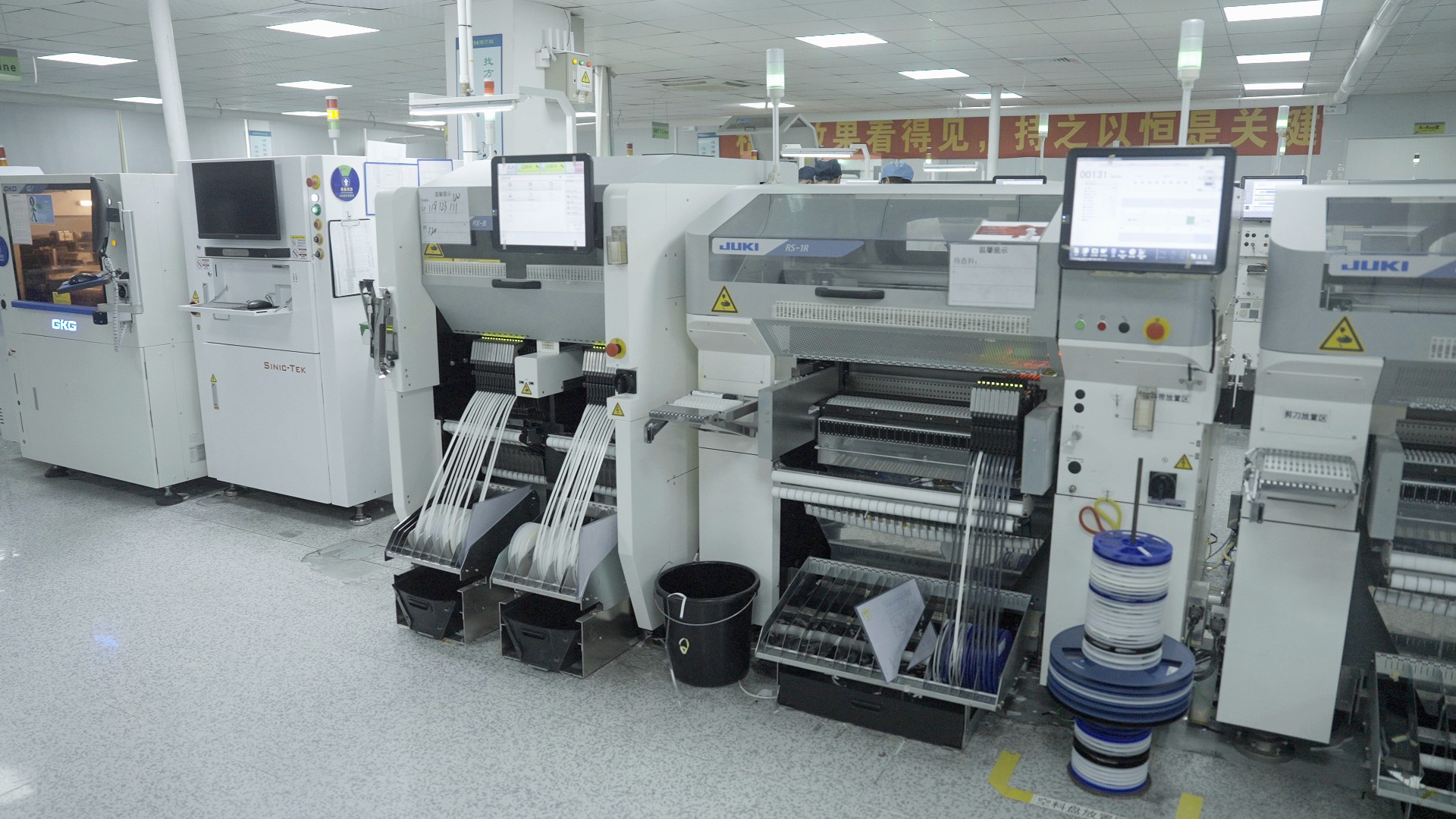
In recent years, the electronics industry has seen a significant shift towards lead free solder, largely driven by environmental and health considerations. Wave soldering machines are adapting to this change, becoming essential tools for manufacturers aiming to comply with new standards while maintaining high-quality PCB soldering. Understanding the benefits of lead free solder and its implications for wave machines is crucial for anyone involved in the soldering process.
Benefits of Lead Free Solder
Lead free solder offers several advantages that make it an attractive choice for modern manufacturing processes. First and foremost, it significantly reduces environmental risks associated with lead exposure, making products safer for consumers and workers alike. Additionally, lead free options often provide improved performance at higher temperatures, which is particularly beneficial in SMT soldering applications where thermal management is critical.
Moreover, using lead free solder can enhance the reliability of electronic devices by reducing the risk of failure due to thermal cycling or other stress factors. As wave machines evolve to accommodate these materials, manufacturers can ensure their PCB soldering processes remain efficient and effective while adhering to stringent regulations. Ultimately, embracing lead free solutions not only aligns with regulatory requirements but also promotes a more sustainable future.
Regulatory Impact on Soldering Machines
The transition to lead free solder has been heavily influenced by regulations such as RoHS (Restriction of Hazardous Substances) and WEEE (Waste Electrical and Electronic Equipment) directives. These regulations have pushed manufacturers to rethink their approaches toward wave soldering machines, requiring them to adapt their technologies accordingly. As a result, many modern soldering machines are designed specifically to work optimally with lead free materials without compromising performance or quality.
The impact on wave machines extends beyond just compliance; it also drives innovation in equipment design and functionality. Manufacturers are now investing in advanced technologies that improve temperature control and flux management during the PCB soldering process when using lead free solders. This ensures that even as standards evolve, companies can maintain high levels of productivity while meeting customer expectations.
Transitioning to Lead Free Solutions
Transitioning from traditional solders to lead free solutions may seem daunting at first; however, it's a necessary step for any forward-thinking manufacturer in today's market landscape. To facilitate this change effectively, companies need comprehensive training programs on new materials and techniques relevant to both wave soldering and SMT soldering processes. Furthermore, upgrading existing wave machines or investing in new models specifically designed for lead free applications can significantly ease this transition.
Collaboration with suppliers like BSTECH can also provide invaluable support during this shift by offering tailored solutions that address specific industry needs while ensuring compliance with all relevant regulations regarding wave soldering machines. By taking proactive steps toward adopting lead free technologies now rather than later, businesses will not only stay ahead of compliance issues but also position themselves as leaders in sustainability within their sectors.
BSTECH's Wave Soldering Solutions
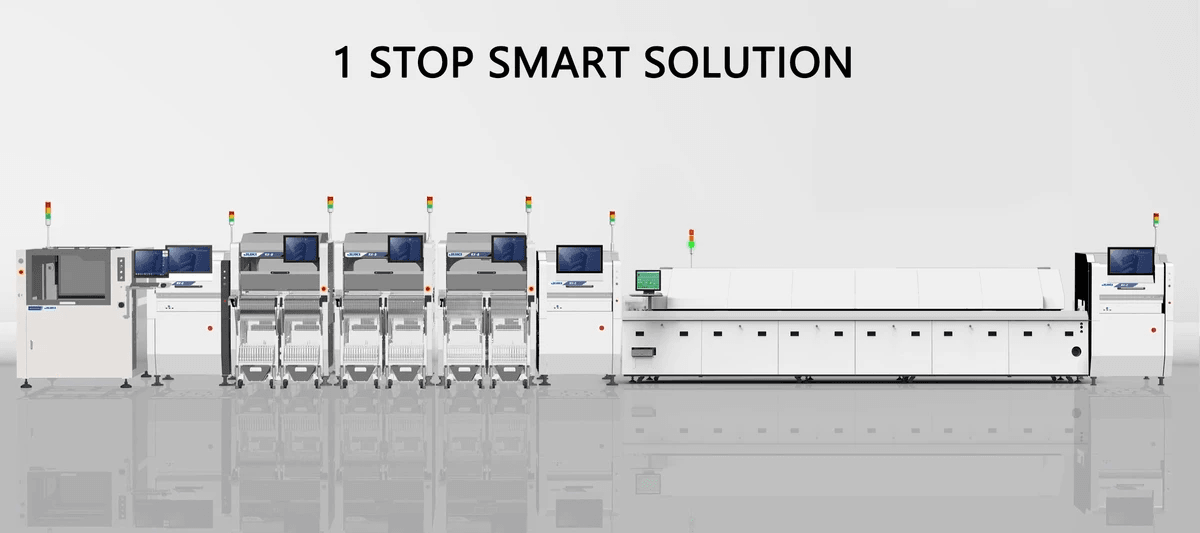
When it comes to wave soldering machines, BSTECH stands out with its innovative and comprehensive range of equipment tailored for various applications. These machines are designed to meet the evolving demands of PCB soldering while ensuring compatibility with lead free solder. By integrating advanced technology and user-friendly interfaces, BSTECH’s wave machines simplify the soldering process, making them a preferred choice in the industry.
Comprehensive Range of Machines
BSTECH offers a diverse lineup of wave soldering machines that cater to different production scales and complexities. From compact models suitable for small-scale operations to high-capacity systems designed for large manufacturing environments, there’s a machine for every need. Each model is engineered to deliver optimal performance, ensuring that whether you're using traditional or lead free solder, your PCB soldering processes remain efficient and reliable.
Customization for Specific Industries
Recognizing that each industry has unique requirements, BSTECH provides customization options for its wave soldering solutions. Whether you are in automotive electronics or consumer goods manufacturing, these machines can be tailored to suit specific needs such as speed, precision, and type of solder used. This level of customization not only enhances productivity but also ensures that your SMT soldering processes align perfectly with industry standards.
Advantages of BSTECH Equipment
Choosing BSTECH equipment comes with numerous advantages that set it apart from competitors in the field of wave soldering machines. The reliability and quality assurance inherent in their products mean fewer breakdowns and reduced downtime during production runs—an essential factor when working with lead free solder where temperature control is crucial. Additionally, their commitment to customer support ensures you have assistance whenever needed, making your investment in a BSTECH soldering machine a smart choice for long-term success.
SMT Soldering and Its Importance
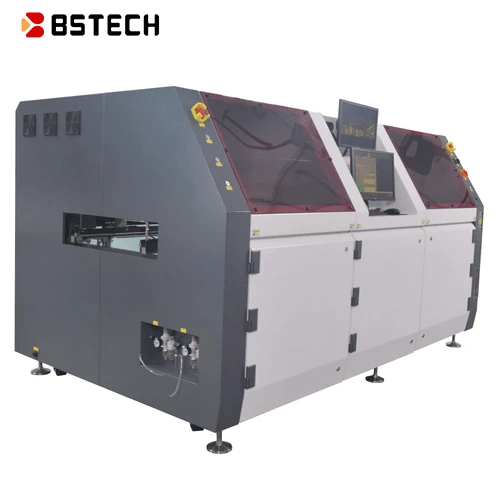
In the ever-evolving world of electronics manufacturing, Surface Mount Technology (SMT) soldering has emerged as a pivotal process. This technique allows for the mounting of components directly onto the surface of printed circuit boards (PCBs), making it a preferred choice for modern PCB soldering applications. With its ability to accommodate smaller and more complex designs, SMT soldering has revolutionized how we conceive electronic assembly.
Overview of SMT Soldering
SMT soldering employs a unique method where electronic components are placed on the surface of PCBs rather than through holes, which is typical in traditional methods. This approach not only saves space but also enhances performance by reducing inductance and capacitance, leading to improved signal integrity. Moreover, with the rise of lead free solder requirements, SMT soldering is adapting to meet these new standards while maintaining efficiency.
Differences Between SMT and Other Methods
When comparing SMT to other soldering methods like Through-Hole Technology (THT), several key differences emerge. While THT requires drilling holes in PCBs for component insertion, SMT eliminates this step entirely, allowing for faster production cycles and a higher density of components. Additionally, wave machines used in conjunction with lead free solder provide a seamless transition between various assembly processes, ensuring that manufacturers can produce high-quality products without compromising on speed or reliability.
Integration with Wave Soldering Machines
The integration of wave soldering machines with SMT processes creates a powerful synergy that enhances overall production capabilities. By using wave machines equipped for lead free solder applications alongside SMT techniques, manufacturers can achieve optimal results in PCB assembly while adhering to environmental regulations. This combination not only maximizes efficiency but also ensures that companies remain competitive in an increasingly demanding market.
Why Choose Bensun Technology

When it comes to wave soldering machines, Bensun Technology stands out as a leader in the industry. With a focus on innovation and quality, their equipment is designed to meet the demands of modern PCB soldering processes. Choosing Bensun means investing in reliable technology that enhances your production efficiency.
Expertise in SMT Equipment
Bensun Technology boasts extensive expertise in SMT soldering, making them a go-to source for wave machines tailored for surface mount technology. Their team understands the intricacies of both wave soldering and SMT soldering, ensuring that their solutions are not only effective but also optimized for lead free solder applications. This deep knowledge allows them to provide valuable insights and support throughout your transition to advanced soldering techniques.
Quality and Reliability of Products
Each machine undergoes rigorous testing to ensure it meets high standards for performance and durability, which is crucial for any business involved in PCB soldering. By prioritizing reliability, Bensun helps customers minimize downtime and maintain consistent production levels with lead free solder.
Flexible Solutions for Various Needs
Understanding that every operation has unique requirements, Bensun Technology offers flexible solutions that can be customized based on specific industry needs. Whether you’re looking for standard wave machines or specialized configurations for complex projects, they have options that cater to diverse applications in wave soldering. This adaptability ensures that businesses can maximize efficiency while seamlessly integrating SMT soldering processes into their existing workflows.
Conclusion
As we wrap up our exploration of wave soldering machines and the transition to lead free solder, it’s clear that the future is bright for these essential tools in PCB soldering. With continuous advancements in technology, wave machines are evolving to meet the demands of modern manufacturing processes. The integration of innovative features ensures that wave soldering remains a reliable choice for high-quality electronic assembly.
The Future of Wave Soldering Technology
The landscape of wave soldering technology is set to undergo significant changes as manufacturers increasingly prioritize efficiency and sustainability. New developments in wave machines promise enhanced precision and faster processing times, making them indispensable in high-volume production environments. As industries adapt to new challenges, the evolution of soldering machines will play a critical role in meeting regulatory standards while maintaining product integrity.
Embracing Lead Free Solutions
Transitioning to lead free solder is not just a trend; it’s becoming a necessity driven by environmental regulations and consumer demand for safer products. Embracing lead free solutions offers numerous benefits, including improved safety profiles and compliance with global standards such as RoHS (Restriction of Hazardous Substances). By adopting these materials, manufacturers can ensure longevity and reliability in their PCB soldering processes while contributing positively to environmental sustainability.
Maximizing Efficiency with BSTECH
Their range of wave soldering machines is designed with customization options tailored specifically for various industries, ensuring that every unique need is met without compromising on quality or performance. With BSTECH's commitment to innovation and reliability, companies can confidently invest in equipment that enhances productivity while seamlessly integrating into their existing SMT soldering workflows.